작업치료 분야에서 뇌졸중 환자에게 적용된 가상현실 기반 중재 연구에 관한 체계적 고찰
Journal Information
Journal: Korean Journal of Occupational Therapy
Abbreviated Title: Korean J. Occup. Ther.
Print ISSN: 1226-0134
Online ISSN: 2671-4450
Publisher: The Korean Society Of Occupational Therapy
Article Information
Article ID (publisher-id): ../figures/KSOT-33-2-19
Volume: 33
Issue: 2
Pages: 19–36
Published: June 2025
Received: 3 February 2025
Revised: 17 February 2025
Accepted: 30 April 2025
Copyright: © The Korean Society Of Occupational Therapy. All rights reserved
This is an Open Access article distributed under the terms of the Creative Commons Attribution Non-Commercial License (http://creativecommons.org/licenses/by-nc/4.0) which permits unrestricted non-commercial use, distribution, and reproduction in any medium, provided the original work is properly cited.

작업치료 분야에서 뇌졸중 환자에게 적용된 가상현실 기반 중재 연구에 관한 체계적 고찰

Virtual Reality-Based Occupational Therapy for Patients with Stroke: A Systematic Review
Jin-i Hong (홍진이)1B.H.Sc., O.T., SueBeom Park (박수범)1B.H.Sc., O.T., Ah-Ram Kim (김아람)2Ph.D., O.T., Jongbae Kim (김종배)3Ph.D.
Author Information
1연세대학교 일반대학원 작업치료학과 석사과정, Dept. of Occupational Therapy, Graduate School, Yonsei University, Master’s Course
2상지대학교 보건의료대학 작업치료학과 조교수, Dept. of Occupational Therapy, College of Health & Medical Services, Sangji University, Assistant Professor
3연세대학교 소프트웨어디지털헬스케어융합대학 작업치료학과 교수, Dept. of Occupational Therapy, College of Software and Digital Healthcare Convergence, Yonsei University, Professor
This research was supported by Culture, Sports and Tourism R&D Program through the Korea Creative Content Agency grant funded by the Ministry of Culture, Sports and Tourism in 2023 (Project Name: Development of universal XR platform technology to build a metaverse supporting digital cultural inclusion, Project Number: RS-2023-00270006, Contribution Rate: 30%).
Correspondence: Corresponding author: Kim, Jongbae (jongbae@yonsei.ac.kr/Dept. of Occupational Therapy, College of Software and Digital Healthcare Convergence, Yonsei University)
Abstract

Objective: This study aimed to systematically evaluate the effectiveness of virtual reality (VR)-based occupational therapy interventions for patients with stroke and explore specific application methods to provide evidence-based recommendations for clinical practice.

Methods: We conducted a systematic review of the National Digital Science Library (NDSL), RISS, Embase, PubMed, and Web of Science databases to identify articles published between January 2014 and September 2024. The search strategy included keywords such as “Virtual Reality” AND (“Stroke” OR “Cerebrovascular Disorders” OR “Cerebrovascular Accident” OR “Brain Vascular Accident” OR “Cerebrovascular Stroke”) AND (“Occupational therapy” OR “Occupational therapist”), along with their Korean equivalents, including “뇌졸중,” “가상현실,” and “작업치료.”

Results: Eleven studies met the inclusion criteria, and most involved patients with chronic stroke. The interventions were typically delivered in 30-min sessions over 6–8 weeks. Physical function assessment tools were predominantly employed. Of the included studies, 10 demonstrated statistically significant improvements in upper limb function, quality of life, and activities of daily living.

Conclusion: VR-based occupational therapy interventions significantly enhanced functional recovery in stroke patients. This study offers evidence-based insights into intervention design and the application of assessment tools, providing valuable guidance for occupational therapists in developing and implementing VR-based rehabilitation programs.

Keywords: Occupational therapy; Stroke; Virtual reality
요약

목적: 본 연구는 뇌졸중 환자를 대상으로 가상현실 기반 작업치료 중재의 효과성과 구체적인 중재 적용 방법을 체계적으로 분석하고, 이를 통해 실무적 근거를 제시하고자 한다.

연구방법: 본 연구는 국가과학기술전자도서관, RISS, Embase, Pubmed, Web of Science 데이터베이스를 사용하여 2014년 1월부터 2024년 9월까지 게재된 문헌을 검색하였다. 검색을 위한 키워드는 “Virtual Reality” AND (“Stroke” OR “Cerebrovascular Disorders” OR “Brain vascular disease” OR “Cerebrovascular Accident” OR “Brain Vascular Accident” OR “Cerebrovascular Stroke”) AND (“Occupational therapy” or “Occupational therapist”)와 “뇌졸중” AND “가상현실” AND “작업치료”를 사용하였다.

결과: 최종 선정된 11편의 문헌 중 대상자는 주로 만성기 뇌졸중 환자였으며, 중재 시간은 평균 30분, 중재 기간은 6~8주가 가장 많았다. 평가도구는 신체 기능 영역의 평가도구가 가장 많이 사용되었다. 중재 효과는 11편의 문헌 중 1편의 문헌을 제외한 문헌에서 상지기능, 삶의 질, 일상생활활동 등에 통계적으로 유의미한 향상이 있음을 확인할 수 있었다.

결론: 본 연구는 가상현실 기반 작업치료 중재가 뇌졸중 환자의 기능 회복에 효과적임을 확인하였으며, 중재 설계와 평가도구 활용에 대한 실질적 기초자료를 제공하였다. 이는 향후 작업치료사가 가상현실 중재 프로그램 을 설계하고 적용하는 데 유용하게 활용될 수 있을 것이다.

키워드: 가상현실; 뇌졸중; 작업치료

I.서 론

세계보건기구(WHO)에 따르면 뇌졸중은 전 세계 사망 원인 3위로, 전체 사망자의 약 10%를 차지한다([World Health Organization [WHO], 2024]). 이는 뇌의 혈액 공급이 중단되거나 뇌 조직의 출혈로 인해 발생하는 뇌혈 관 질환으로, 운동신경과 감각신경 기능에 심각한 장애 를 초래한다([Sharp & Brouwer, 1997]). 뇌졸중 환자는 손상된 부위와 정도에 따라 편마비, 감각 및 운동장애, 인지 및 시지각 손상 등 다양한 기능 제한과 장애를 동반 한다([Murphy & Werring, 2020]; [Scully, 2022]). 이러 한 신경학적 장애는 기능적 활동 수행 능력과 독립적인 일상생활 활동을 저하시켜 뇌졸중 환자의 기능 회복을 위한 재활은 필수적이다([Kelley & Borazanci, 2009]; [Shahid et al., 2023]).

뇌졸중 환자의 재활 목표는 기능적 장애를 최소화하 고, 최대한의 기능적 회복을 촉진하여 일상생활을 할 수 있게 하는 것이다([Ahn & Kim, 2008]). 주요 중재로는 상지 기능 향상을 위한 강제 유도 운동치료, 전기적 치료, 양측성 상지 운동치료, 근력운동, 거울치료 등이 있으며 ([Kim et al., 2012]), 인지 기능 향상을 위한 전산화 인지 재활, 작업 기억 훈련, 주의력 훈련 등이 있다([Das Nair et al., 2016]; [Nie et al., 2022]). 이러한 중재는 환자의 일상생활 수행 능력을 향상시키는데 기여하나, 실제 환 경에서 반복적인 수행의 어려움, 지속적인 모니터링, 그 리고 재활 환경에 따른 접근성 등의 한계가 있어 기술 기반의 새로운 중재 방법이 요구되고 있다([Park & Kim, 2019]).

과학 기술의 발전으로 뇌졸중 환자의 기능 회복을 위한 새로운 중재가 적용되고 있으며, 그중 가상현실을 기반 으로 한 중재가 주목받고 있다([Prajjwal, et al., 2024]). 가상현실은 가상 환경에서 인터페이스를 통해 다양한 피 드백을 실시간으로 제공하여 사용자에게 실제와 유사한 환경을 제공하는 기술이다([Park et al., 2023]). 몰입 수 준에 따라 완전몰입형, 반몰입형, 비몰입형의 세가지 유 형으로 구분되며([Yu et al., 2024]), HMD를 이용하여 현실 세계를 완전히 차단한 형태는 완전몰입형, 3차원적 입체 화면을 통해 부분적으로 몰입 가능한 형태는 반몰입 형, 그리고 비몰입형은 모니터와 같은 2차원적 화면을 통해 현실과 가상 환경을 동시에 인식 가능한 형태이다 ([Han et al., 2023]; [Kwon & Hwang, 2024]). 가상현실 기술은 환자의 기능 수준에 따라 난이도 조절이 가능하 며, 과제 지향적 훈련과 실시간 바이오 피드백을 통해 적절한 피드백을 제공하고, 재활 치료에 대한 흥미와 동 기를 높인다([Dias et al., 2019]; [Sisto et al., 2002]). 또한 가상현실 기술을 통해 환자는 일상생활과 관련된 가상 환경에서 새롭고 지속적인 반복훈련을 수행할 수 있으며([Yang et al., 2018]), 기존의 중재들보다 더 나은 수행 능력, 신경 가소성 자극, 일상생활활동에서의 독립 성 등을 더욱 향상시킬 수 있다([Dias et al., 2019]).

최근 가상현실을 적용한 중재는 국내외에서 활발히 적 용되고 있으며, 뇌졸중 환자에게는 주로 운동기능과 인 지 기능 향상을 목적으로 이루어지고 있다([Demeco et al., 2023]; [Tieri et al., 2018]). 가상현실 기반의 중재는 상지기능, 악력, 균형 등의 신체 기능 향상에 효과적이며 ([Aguilera-Rubio et al., 2022]; [Hegazy et al., 2022]; [Wu et al., 2021]), 실행기능, 기억력, 시공간 기능, 집중 력 등 인지 기능에도 긍정적인 영향을 미친다([Zhang et al., 2021]; [Maggio et al., 2019]). 이러한 가상현실 기반의 중재는 최근 원격 재활 기술로 활용되며 시공간 제약 없이 지속적인 재활을 가능하게 한다는 이점이 있다([Varela-Aldas et al., 2021]). 그러나 치료사의 기술적인 숙련도 가 요구되며, 초기 장비를 구매하는 비용이 높아 임상 적용에 제한이 있다([Hwnag & Yoo, 2023]; [Elendu et al., 2024]; [Prajjwal et al., 2024]).

재활 전문가 중 작업치료사는 환자의 개별적 요구와 기능 상태를 평가하여 신체적, 인지적, 정신 사회적 기능 회복에 맞춤형 중재를 제공하며, 환자가 원하는 역할과 일상생활을 수행할 수 있도록 한다([American Occupational Therapy Association, 2021]; [Murrell et al., 2021]; [Rowland et al., 2008]). 작업치료 분야에서 가상현실 기반 중재는 맞춤형 중재를 제공할 수 있는 도구로, 특히 뇌졸중 환자의 기능 회복에 효과적으로 활용될 수 있다 ([Choi et al., 2014]; [Oliveira, et al., 2022]). 작업치료 를 포함한 다양한 분야에서 가상현실 중재 연구가 점차 증가하고 있으며, 작업치료 분야에서도 이에 대한 요구 도가 높은 것으로 나타났다([Park, 2016]). 작업치료는 환 자의 일상생활활동과 사회활동 참여를 목표로 하며 ([Park, 2009]), 가상현실 기반의 중재는 실제 환경과 유 사한 활동을 반복적으로 수행할 수 있도록 함으로써 작업 치료 분야에서 이점을 제공할 수 있다. 그러나 선행 연구 에서 따르면, 작업치료 분야에서 가상현실 중재를 체 계적으로 분석한 연구는 부족한 실정이다([Landim et al., 2024]). 특히, 가상현실 중재의 적용 기간과 효과를 체계적으로 분석한 연구가 적으며, 이로 인해 치료사마 다 중재를 적용하는 기간이 다르게 설정하여 중재 결과에 차이를 보인다([Park et al., 2018]).

따라서 본 연구는 뇌졸중 환자를 대상으로 시행한 가 상현실 기반 작업치료 중재의 효과성과 구체적인 중재 적용 방법을 체계적으로 분석하여, 작업치료사가 가상현 실을 활용한 중재 프로그램을 설계하는데 필요한 근거를 제공하고자 한다.

II.연구 방법

1.연구 설계 및 문헌 검색

본 연구는 작업치료 분야에서 뇌졸중 환자에게 적용된 가상현실 기반의 중재를 체계적으로 분석하고자 설계되 었다. 문헌 검색 기간은 최근 연구 동향을 반영하기 위해 2014년 1월부터 2024년 9월까지로 설정하였으며, 국 내·외 문헌을 대상으로 수행되었다. 문헌 검색은 국가과 학기술전자도서관(National Digital Science Library, NDSL), 한국연구정보서비스(Research Information Sharing Service, RISS), Embase, Pubmed, Web of Science 데이터베이스를 활용하였다. 해외 문헌 검색을 위한 키워드는 “Virtual Reality” AND (“Stroke” OR “Cerebrovascular Disorders” OR “Brain vascular disease” OR “Cerebrovascular Accident” OR “Brain Vascular Accident” OR “Cerebrovascular Stroke”) AND (“Occupational therapy” or “Occupational therapist”)를 사용하였으며, 국내 문 헌 검색을 위한 키워드는 “뇌졸중” AND “가상현실” AND “작업치료”를 사용하였다.

2.선정기준 및 배제기준

1)선정기준

뇌졸중 환자를 대상으로 한 연구

작업치료사가 중재를 시행한 연구

VR 중재를 사용한 연구

무작위 대조군 연구(Randomized Controlled Trial, RCT)

한글 혹은 영어로 게재된 문헌

2)배제기준

VR 중재의 효과를 측정하지 않은 연구

연구 대상자의 수가 30명 이하인 연구

고찰 및 메타분석 연구

단행본, 포스터, 학위논문

전문 확인이 불가능한 연구

3.문헌 선정과정

문헌 수집 및 선정 과정은 PRISMA (Preferred Reporting Items for Systematic Reviews and Meta- Analysis) 흐름도를 따라 수행하였다. 수집된 문헌은 서 지 관리 프로그램인 EndNote 21을 활용하여 관리하였 으며, 중복 제거 기능을 통해 중복 문헌을 1차적으로 제 외하였다. 이후 수기로 검토하여 추가적인 중복 문헌을 배제하였다. 2명의 연구자는 선정 및 배제 기준에 따라 제목 및 초록을 검토하여 문헌을 배제하였으며, 제목과 초록에서 선정 및 배제 여부가 명확하지 않은 문헌은 전 문 검토를 통해 추가적으로 배제하였다. 선정 과정에서 연구자 간 의견이 일치하지 않을 경우에는 논의를 통해 선정 여부를 결정하였다.

4.문헌의 질 평가

본 연구는 무작위 대조군 연구의 내적 타당도를 평가 하기 위해 사용되는 근거 중심 물리치료 데이터베이스 (Physiotherapy Evidence Database, PEDro)를 사용 하여 작업치료에서 가상현실 중재 연구의 질을 신뢰성 있게 평가하기 위해 적용하였다. PEDro Scale은 총 11 개의 문항으로 외적 타당도를 평가하는 1개의 문항과 내 적 타당도를 평가하는 10개의 문항으로 구성되어 있다 ([Maher et al., 2003]). 각 문항은 1점씩 배점하며 외적 타당도 항목은 점수에 계산하지 않아 총점은 0~10점으 로 산정된다. 문헌의 질적 수준은 총점에 따라 4점 이하 는 ‘Poor’, 4~5점은 ‘Fair’, 6~8점은 ‘Good’, 9~10점 은 ‘Excellent’로 점수가 높을수록 문헌의 질적 수준이 높은 것으로 해석된다.

5.자료 분석 및 근거 제시 방법

본 연구는 근거 제시 방법으로 PICO (Patient, Intervention, Comparison, Outcoms) 방법을 사용 하였다. PICO 방법은 임상적 질문에 대한 근거들을 체계적으로 정리하는 방법으로 대상자(Patient), 중재 (Intervention), 대조군(Comparison), 결과(Outcome) 로 제시된다([Cumpston et al., 2021]). PICO 방법을 적용하여 분석 대상 문헌의 연구 대상자의 일반적 특 성, VR 중재 도구, VR 중재 시간 및 기간, VR 중재 효과를 추출하고 분석하였다.

III.연구결과

1.분석 대상 문헌 도출

5개의 데이터 베이스에서 총 697편의 문헌이 검색되 었다. EndNote의 중복 제거 기능을 이용하여 192편의 중복 문헌을 제외하고, 수기 검토를 통해 추가로 39편의 중복 문헌을 제외하였다. 이후 466편의 문헌을 대상으로 제목과 초록을 검토하여 413편을 배제하였으며, 남은 53편의 문헌은 전문(full text)을 검토하여 최종적으로 11편을 분석 대상 문헌으로 선정하였다(Figure 1).
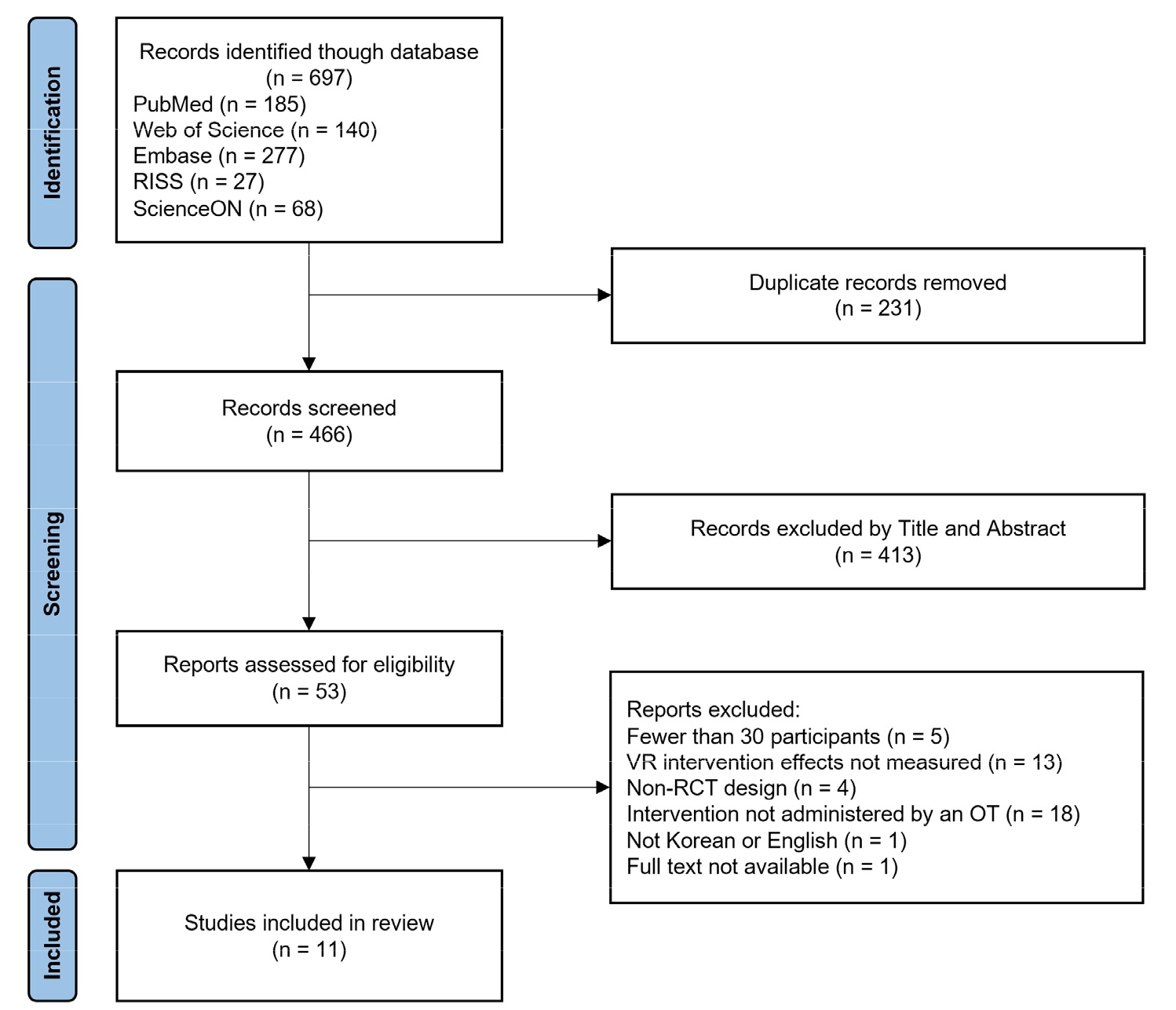
Figure 1.Flow Diagram for Study Selection

2.분석 대상 문헌의 질 평가

선정된 11편의 문헌은 PEDro Scale을 사용하여 질 평가를 분석하였다. 분석 결과, Fair 등급의 문헌은 1편, Good 등급은 10편이었다. Excellent 등급과 Poor 등 급에 해당하는 문헌은 없었으며, 총 11편의 총점 평균 점수는 5.82점이었다(Table 1).

Table 1.Quality Assessment Using PEDro Scale
No. Author (year) Item No. PEDro Scale Grade
1 2 3 4 5 6 7 8 9 10 11
1 [Kong et al. (2016)] Y Y N Y N N N Y N Y Y 5 Fair
2 [Shin et al. (2016)] Y Y Y Y N N Y N Y Y Y 7 Good
3 [Shin et al. (2017)] Y Y N Y N N N Y Y Y Y 6 Good
4 [Lee et al. (2020)] Y Y N Y N N N Y Y Y Y 6 Good
5 [Hwang et al. (2020)] Y Y N Y N N N Y Y Y Y 6 Good
6 [Baek & Kim (2021)] Y Y N Y N N N Y Y Y Y 6 Good
7 [Rodríguez-Hernández et al. (2021)] Y Y Y Y N N N Y Y Y Y 7 Good
8 [Baek et al. (2022)] Y Y N Y N N N Y Y Y Y 6 Good
9 [Hsu et al. (2022)] Y Y N Y N N Y Y N Y Y 6 Good
10 [Kwon et al. (2022)] Y Y N Y N N N Y Y Y Y 6 Good
11 [Choi & Cho (2024)] Y Y N Y N N Y Y Y Y Y 7 Good
N: No, PEDro: Physiotherapy Evidence Database, Y: Yes.

3.대상자의 일반적 특성

본 연구에 선정된 11편의 문헌에 포함된 연구대상자 의 일반적 특성을 대상자 수와 연령, 그리고 뇌졸중 발병 단계로 구분하여 분석하였다. 대상자 수는 최소 30명에 서 최대 105명이며, 30명 이상 40명 미만인 연구는 4편, 40명 이상 50명 미만인 연구는 5편, 50명 이상인 연구는 2편이었다. 대상자의 평균 연령은 46세부터 75세까지로 중년 및 노년층에 해당하였다. 연령대를 세분화하여 살 펴보면, 40대를 대상으로 한 연구가 1편, 50대가 6편, 60대가 1편, 70대가 3편이었다. 선정된 문헌의 뇌졸중 발병 단계는 발병 후 1개월 미만인 경우 급성기, 1개월 이상 6개월 미만인 경우 아급성기, 6개월 이상인 경우 만성기로 분류하였다([Garcia-Rudolph et al., 2019]). 만성기를 대상으로 한 연구는 7편으로 가장 많았으며, 급성기와 아급성기를 포함한 연구는 3편이었다. 그 외 1편의 연구는 뇌졸중 단계를 보고하지 않았다(Table 2).

Table 2.General Characteristics of the Participants
No. Author (year) Participants (EG/CG)
N Age Stage (mean)
1 [Kong et al. (2016)] 35 / 35 / 35 58.1 / 59.0 / 55.8 Subacute
2 [Shin et al. (2016)] 24 / 22 57.2 / 59.8 Chronic
3 [Shin et al. (2017)] 20 / 20 75.0 / 74.5 Chronic
4 [Lee et al. (2020)] 18 / 18 72.1 / 73.2 Chronic
5 [Hwang et al. (2020)] 16 / 15 54.13 / 51.60 Chronic
6 [Baek & Kim (2021)] 15 / 15 73.93 / 73.33 NR
7 [Rodríguez-Hernández et al. (2021)] 23 / 23 62.6 / 63.6 Acute, Subacute
8 [Baek et al. (2022)] 18 / 18 56.06 / 58.94 Acute, Subacute
9 [Hsu et al. (2022)] 18 / 18 / 18 52.9 / 56.9 / 56.7 Chronic
10 [Kwon et al. (2022)] 21 / 20 46.52 / 47.00 Chronic
11 [Choi & Cho (2024)] 23 / 23 55.69 / 59.30 Chronic
CG: Control Group, EG: Experimental Group, NR: Not Reported.

4.VR 중재 도구

분석 문헌에서 VR 중재 목적에 따라 신체 기능, 인지 기능, 그 외로 분류하여 분석하였으며, 중복 응답을 허용 하였다. VR 중재에 사용된 도구는 상지 기능 회복을 위한 목적으로 많이 사용되고 있으며, 상지 재활을 위한 VR 도구는 RAPAEL Smart Glove가 5편([Shin et al., 2016]; [Lee et al., 2020]; [Hwang et al., 2020]; [Baek & Kim, 2021]; [Choi & Cho, 2024])으로 가장 많이 사용되고 있었다. 인지재활을 위한 목적으로는 RAPAEL Smart Glove 1편([Baek & Kim, 2021]), RAPAEL Smart Board 1편([Baek et al., 2022])에서 사용되었다. 그 외 균형 회복을 위한 도구로는 Nintendo Wii Fit이 1편 ([Kwon et al., 2022])에서 사용되었다(Table 3).

Table 3.Categories of Intervention Tools
Category Tool n (%)
Upper limb RAPAEL Smart Glove 5 (38.46)
Nintendo Wii 2 (15.38)
Braccio di Ferro 2 (15.38)
RAPAEL Smart Board 1 (7.69)
Cognition RAPAEL Smart Glove 1 (7.69)
RAPAEL Smart Board 1 (7.69)
Other Nintendo Wii Fit (Balance) 1 (7.69)
The sum of the percentages does not equal 100% because of rounding.

5.VR 중재 시간 및 기간

회기당 중재 시간은 최소 20분에서 최대 60분까지로 다양하였다. 30분 동안 진행한 연구가 6편([Shin et al., 2016]; [Shin et al., 2017]; [Lee et al., 2020]; [Hwang et al., 2020]; [Baek & Kim, 2021]; [Kwon et al., 2022]) 으로 가장 많았으며, 20분은 2편([Hsu et al., 2022]; [Choi & Cho, 2024]), 그 외 40분([Baek et al., 2022]), 50분([Rodríguez-Hernández et al., 2021]), 60분 ([Kong et al., 2016])은 각각 1편으로 나타났다. 중재 기간은 최소 3주에서 12주간 진행되었으며, 6~8주간 진 행된 연구가 6편([Lee et al., 2020]; [Baek & Kim, 2021]; [Baek et al., 2022]; [Hsu et al., 2022]; [Kwon et al., 2022]; [Choi & Cho, 2024])으로 가장 많았다. 중재 회기 는 12회기부터 30회 이상까지 다양하게 진행되었으며, 20~24회기 동안 진행된 연구가 4편([Shin et al., 2016]; [Lee et al., 2020]; [Baek & Kim, 2021]; [Baek et al., 2022])으로 가장 많았다(Table 4).

Table 4.Intervention Period, Sessions, and Duration
Intervention structure n (%)
Period 3~5 weeks 4 (36.36)
6~8 weeks 6 (54.55)
9~12 weeks 1 (9.09)
Session 12~15 session 2 (18.18)
16~19 session 1 (9.09)
20~24 session 4 (36.36)
25~29 session 1 (9.09)
30 sessions or more 3 (27.27)
Time 20 minutes 2 (18.18)
30 minutes 6 (54.55)
40 minutes 1 (9.09)
50 minutes 1 (9.09)
60 minutes 1 (9.09)
The sum of the percentages does not equal 100% because of rounding.

6.중재효과 측정을 위한 평가도구

중재 효과를 측정하기 위한 평가도구는 신체 기능, 인 지 기능, 심리사회학적 기능, 일상생활활동, 신경학적 기 능, 그 외로 분류하여 제시하였다. 신체 기능을 측정하기 위한 평가도구는 28개로 나타나 가장 많이 사용되었으 며, 그 중 Fugl-Meyer Assessment (FMA)가 4개로 신 체 기능을 평가하는데 가장 많이 사용되었다. 또한, 상지 기능에만 초점을 둔 Fugl-Meyer Assessment for Upper Extremity (FMA-UE)는 3편에서 사용되었다. 인지 기 능을 측정하기 위한 도구로는 3개가 사용되었으며, 심리 사회적 기능 3개, 일상생활활동 7개, 신경학적 기능 3개, 그 외 건강상태, 삶의 질, 체성분, 시지각을 평가하기 위 한 6개의 평가도구가 사용되었다(Table 5).

Table 5.Outcome Measure for the Effectiveness of Interventions
Domain Outcome Measure n Total
Physical Fugl-Meyer Assessment (FMA) 4 28
Fugl-Meyer Assessment for Upper Extremity (FMA-UE) 3
Jebsen-Taylor Hand Function Test (JTHFT) 3
Manual Function Test (MFT) 3
Stroke Impact Scale (SIS) 3
Box and Block Test (BBT) 2
Modified Ashworth Scale (MAS) 2
Activity-specific Balance Confidence Scale (ABC) 1
Action Research Arm Test (ARAT) 1
Berg Balance Scale (BBS) 1
Grip Strength Test (GST) 1
Purdue Pegboard Test (PPT) 1
Stroke Impact Scale - Upper Limb (SIS-UL) 1
Wolf Motor Function Test 1
10-Meter Walk Test (10 MWT) 1
Cognition Mini-Mental State Examination-Korean (MMSE-K) 1 3
Trail-Making Test (TMT) 1
Korean version of Montreal Cognitive Assessment (MoCA-K) 1
Psychosocial Beck Depression Inventory (BDI) 1 3
Life Satisfaction Index-Z (LSI-Z) 1
Relationship changescale (RCS) 1
ADL Korean version of Modified Barthel Index (K-MBI) 3 7
Functional Independence Measure (FIM) 2
Motor Activity Log (MAL) 2
Neurological Motor-Evoked Potential Amplitude (MEPa) 1 3
Semmes-Weinstein Monofilament Test (SWM) 1
Surface Electromyography (EMG) 1
Other Visual Analogue Scale (VAS) 2 6
EuroQol 5-Dimension 5-Level (EQ-5D-5L) 1
EuroQol-Visual Analogue Scale 1
Inbody body composition analysis 1
Motor-Free Visual Perception Test-3 (MVPT-3) 1
Total 50

7.중재효과

VR 중재의 효과는 1편의 연구를 제외한 10편의 연구 에서 유의미한 결과가 나타났다(Appendix 1). 운동기능 에서 9편으로 가장 높은 효과를 보였으며, 인지 기능 2 편, 일상생활활동 5편, 심리사회적 기능 3편, 신경학적 기능 1편, 그 외 근 활성도 1편, 삶의 질 5편, 시지각 1편으로 나타났다. 세부항목으로는 운동기능의 상지기능 영역에서 8편으로 가장 많은 유의미한 결과가 나타났다 (Table 6).

Table 6.Effectiveness of Intervention
Classification n Total
Physical
Upper limb function 8 9
Balance
Cognition 2 2
ADL 5 5
Psychosocial
Depression 1 3
Relationship 1
Life satisfaction 1
Neurological
Cerebral cortex activation 1 1
Other
Muscle activation 1 7
Quality of Life 5
Visual perception 1

IV.고찰

본 연구는 뇌졸중 환자를 대상으로 작업치료 분야에서 시행된 가상현실 중재에 관한 연구를 고찰하였다. 최근 10년간 국내 및 국외 학술지에 게재된 문헌 중 선정된 11편의 문헌을 대상으로 PICO 방법을 적용하여 연구 대상자의 일반적 특성, VR 중재 도구, VR 중재 시간 및 기간, 중재 효과측정을 위한 평가도구 그리고 중재 효과 를 분석했다. 본 연구 결과를 통해 작업치료 분야에서 가상현실 중재를 적용하는 연구의 확장과 뇌졸중 환자에 게 효과적으로 활용될 수 있는 근거를 제시하고자 하였다.

선정된 문헌의 대상자 연령은 46세부터 75세까지로 중년층과 노년층에 해당하였다. 뇌졸중은 연령이 증가할 수록 발병률이 높아지며, 특히 45세 이후부터 10년마다 발병률이 2배씩 증가한다. 또한 뇌졸중의 80% 이상이 65 세 이후에 발생한다는 뇌졸중 발병 특성을 고려하였을 때 ([Cong et al., 2024]; [Sim et al., 2024]), 본 연구에 선정된 문헌에서도 중년층과 노년층을 포함한 연구가 많았던 것 으로 사료된다. 7편의 문헌에서는 만성 뇌졸중을 대상으 로 연구가 수행되었으며, 3편의 문헌에서는 급성기와 아 급성기를 포함하였다. 마지막 1편의 문헌에서는 뇌졸중 의 단계를 보고하지 않았다. 급성 및 아급성기는 뇌졸중 환자의 재활에서 중요한 시기로 기능 수행과 손상 회복에 효과적이다([Lee et al., 2022]). 그러나 손상 초기에 재활 을 적용하는 데에는 환자의 상태 등 장애물이 존재하며, 이에 따라 현재 대부분의 연구는 만성기 환자를 대상으로 수행되고 있다([Hao et al., 2023]). 이는 가상현실 연구가 대부분 만성 뇌졸중 환자를 대상으로 이뤄지고 있다는 선행 연구와 맥락을 같이 한다([Khan et al., 2024]; [Wang et al., 2017]).

뇌졸중 환자의 재활은 신체 및 인지 기능 향상을 중점 으로 이루어지고 있다([Choi, 2019]; [Lee & Kim, 2023]). 본 연구에서 선정된 문헌에서도 VR 중재가 상지 기능 및 인지 기능 향상을 목적으로 수행되었으며, 이러한 결 과는 [Park 등(2018)][Aminov 등(2018)]의 연구와 맥 락을 같이한다. 그러나 VR 중재는 상지 및 인지 기능 외에도 우울, 불안 등 다양한 기능 향상 및 유지에 적용되 고 있어 작업치료 영역에서도 다양한 영역에서의 적용이 필요하다(Kim et al., 2018; [Shin et al., 2022]). 선정된 문헌에서는 VR 기반 상지 재활 도구를 가장 많이 사용했 으며, 그중 RAPAEL Smart Glove가 가장 많이 사용된 것으로 나타났다. 본 도구는 센서를 통해 움직임 중 손목 과 손가락의 능동 및 수동 관절가동범위를 제공하고, 기 능 수준에 적절한 일상생활활동을 형성할 수 있어 재활 현장에서 많이 사용되고 있다([Shin et al., 2022]). 또한, 이는 비몰입형 가상현실로 가상현실 중 가장 효율적인 비용으로 사용할 수 있으며, 특별한 입출력 장치 없이 사용할 수 있다는 점에서 VR 중재도구로 많이 사용된 것으로 사료된다([Radoeva et al., 2021]).

선정된 문헌에서 제공된 중재의 시간은 회기 당 20분 에서 60분까지 다양했으나 30분동안 진행한 연구가 6편 으로 가장 많았다. 중재 기간은 최소 3주에서 12주로 다 양했으나 6주에서 8주간 진행된 연구가 6편으로 가장 많았다. [Chen 등(2022)]의 연구에서는 VR 중재 시간을 회기당 20~45분 사이로, [Saposnik 과 Levin(2011)]의 연구에서는 회기당 평균 1시간으로 보고된다. 본 연구에 서 선정된 문헌 11편 중 8편의 문헌은 한국에서 수행된 연구로, 한국은 뇌졸중을 포함한 중추신경 재활치료에 대해 회기 당 30분을 기준으로 수가를 인정하고 있다 ([Lee & Jung, 2021]). 이에 본 연구에 선정된 문헌의 한국 비율이 많은 점을 고려하여 회기 당 중재 시간의 결과는 한국의 수가 기준이 반영된 결과로 사료된다. 뇌 졸중 환자의 재활은 반복적이고 중재 기간이 길수록 효과 가 높다고 보고되며, VR 중재에서도 장기적인 중재가 단기적인 중재보다 효과적인 것으로 나타났다([Nath et al., 2024]; [Shen et al., 2023]). [Shen 등(2023)]의 연구 에서는 5~8주가 4주보다 효과적이었으며, [Liu 등(2023)] 의 연구에서는 6주 이상 중재 시 중재 효과가 더욱 효과 적이라고 보고된다. 이처럼 중재 기간은 각 연구마다 다 르나, VR 중재에서는 충분한 개입이 필요하며 장기적인 중재가 뇌졸중 환자 기능 회복에 효과적인 영향을 미치는 것으로 사료된다.

중재 효과를 측정하기 위한 평가도구는 신체 기능 인지 기능, 심리사회적 기능, 일상생활활동, 신경학적 기능 등 을 평가하였다. 그중 신체 기능을 측정하는 Fugl-Meyer Assessment (FMA)가 4편의 문헌에서 사용되어 가장 많이 사용되었으며, FMA의 하위 평가 중 상지 운동기능 만을 평가하는 Fugl-Meyer Assessment for Upper Extremity (FMA-UE)는 3편에서 사용되었다. FMA는 뇌졸중 환자의 기능적 회복정도를 평가하는 표준화된 평 가 도구로 신뢰성과 타당성이 높아 신체 기능 향상을 목 적으로 한 연구에서 중재 효과를 측정하기 위한 주요 평 가도구로 많이 사용되고 있다([Cho & Choi, 2020]; [Chen et al., 2022]). 그 외 인지 기능, 심리사회적 기능, 일상생활활동, 신경학적 기능을 평가한 도구들은 신체 기능 평가와 비교적으로 적은 빈도로 사용되었다. 이는 본 연구에 선정된 문헌의 중재 목적이 신체 기능에 집중 되어 있어 신체 기능 외의 평가도구가 적은 빈도로 사용 된 것으로 사료된다.

본 연구에 선정된 문헌 중 1편을 제외한 10편의 문헌 에서는 중재가 유의미한 결과를 나타냈다. 가장 높은 중 재 효과를 보인 운동기능은 9편의 문헌에서 유의미한 결 과를 보였다. 세부 항목으로는 상지 기능 영역이 8편으로 가장 많은 유의미한 결과를 보였다. 삶의 질과 일상생활 활동은 5편으로 뒤를 이었다. 본 연구에 선정된 문헌의 중재 목표는 상지 기능, 인지 기능, 균형 향상이었으나, VR 중재가 상지 기능 향상뿐만 아니라 삶의 질과 일상생 활활동 수행에도 효과적임을 보여준다([Kim et al., 2018]; [Kim, 2019]). 뇌졸중 환자의 신체 기능과 일상생 활활동은 상관관계가 높으며, 신체 기능이 향상될수록 삶의 질이 높아지고, 일상생활 수준이 높을수록 삶의 만 족도, 자기 효능감 향상에 영향을 미친다([Won, 2024]). [Baek 등(2022)]의 연구에 따르면, 상지 및 인지 기능 등 의 기능 증진이 일상생활 수행 능력에 긍정적인 영향을 미치는 것으로 나타났다. 또한 인지 기능의 증진은 운동 기능과 일상생활에 기능에 영향을 미쳐 다른 영역으로의 증진으로 이어질 수 있다([Ha & Yoo, 2021]). 이에 본 연구에서도 VR 중재가 신체 기능뿐만 아니라 일상생활활 동과 삶의 질에 효과적인 결과를 보고한 것으로 사료된다.

본 연구의 제한점은 다음과 같다. 첫째, 본 연구에 선정 된 문헌들은 중년층과 노년층을 대상으로 수행된 연구들 로, 다양한 연령층을 포함하지 못하여 일반화의 한계가 있다. 둘째, 선정된 문헌의 VR 중재 도구가 제한적이었 다. 최근 VR 중재에 활용될 수 있는 다양한 도구와 기술 이 개발되고 있음에도 불구하고, 본 연구에서 분석한 문 헌은 이러한 기술 동향이 반영되지 않았으며 중재 목적 또한 신체 기능에 집중되어 있어 VR 중재를 분석하는 데 한계가 있다. 셋째, 선정된 문헌의 대부분이 한국에서 수행된 연구로 국제적 동향을 충분히 반영하지 못하였다 는 점에서 한계가 있다. 넷째, 문헌 검색을 위한 키워드를 제한적으로 선정하여 본 연구 목적에 부합하는 문헌이 제외되었을 가능성이 있다. 추후 연구에서는 문헌 검색 을 위한 키워드 선정 시 다양한 키워드를 포함하여 제외 되는 문헌이 없도록 고려하여 키워드를 선정하는 것이 필요하다. 마지막으로, 분석 문헌 선정 시 표본 크기와 연구 방법을 제한하여 연구의 포괄성을 제한할 수 있다는 한계가 있다. 그럼에도 불구하고 본 연구는 근거 수준이 높은 무작위 대조군 연구를 포함하여 연구 결과의 타당성 을 확보하였다는 데 의의가 있다. 추후 연구에서는 표본 크기에 대한 기준을 완화하고 다양한 연구 방법을 포함하 여 보다 폭넓은 근거를 제시할 필요가 있다.

본 연구는 뇌졸중 환자를 대상으로 한 작업치료 분야 에서 VR 중재의 적용 가능성과 효과성을 종합적으로 고 찰하였다는 점에서 의의가 있다. 특히, VR 중재가 상지 기능, 삶의 질, 일상생활활동 등 다양한 영역에서 긍정적 인 결과를 나타냄으로써 뇌졸중 환자 재활의 새로운 가능 성을 제시하였다. 또한, 본 연구는 VR 중재에 활용된 도 구, 평가도구, 중재 시간 및 기간과 같은 구체적인 정보를 체계적으로 정리하여 작업치료 전문가들이 임상에서 VR 중재를 설계하고 적용하는 데 실질적인 가이드를 제공할 수 있다. 향후 연구와 임상에서는 본 연구에서 제시된 결과를 바탕으로 VR 중재의 장점을 극대화하고, 다양한 연령층과 재활 목표에 맞는 맞춤형 중재 프로그램 개발에 기여할 수 있을 것으로 기대된다.

V.결론

본 연구는 뇌졸중 환자를 대상으로 작업치료 분야에서 시행된 가상현실 중재에 관한 연구를 통합적으로 검토하 기 위해 수행된 체계적 문헌 고찰 연구이다. 이를 위해 국내 및 국외 학술지에 발표된 뇌졸중 환자를 대상으로 작업치료 분야에서 시행된 가상현실 중재 연구 11편을 대상으로 체계적 문헌 고찰을 실시하였다. 본 연구에서 는 선정된 문헌 분석을 위해 PICO 방법을 적용하였다. 작업치료 분야에서 VR 중재는 상지기능, 삶의 질, 일상 생활활동 등에 통계적으로 유의미한 차이가 있음을 확인 할 수 있었다. 본 연구는 작업치료 분야에서 뇌졸중 환자 에게 가상현실 중재 제공 시 중재 시간 및 기간, 평가도구 등을 효과적으로 활용할 수 있는 근거를 제시하였다는 점에서 의의가 있으며, 향후 작업치료사가 가상현실 중 재 프로그램 설계 시 기초자료로 활용되기를 기대한다.

References

Aguilera-Rubio, Á., Cuesta-Gómez, A., Mallo-López, A., Jardón-Huete, A., Oña-Simbaña, E. D., & Alguacil-Diego, I. M. (2022). Feasibility and efficacy of a virtual reality game-based upper extremity motor function rehabilitation therapy in patients with chronic stroke: A pilot study. International Journal of Environmental Research and Public Health, 19(6), 3381. https://doi.org/10.3390/ijerph19063381
Ahn, N. Y., & Kim, K. J. (2008). Effects of therapeutic exercise for stroke patients. Health & Sports Medicine, 10(2), 45-54.
American Occupational Therapy Association. (2021). Occupational therapy scope of practice. American Occupational Therapy Association, 75(Supplement 3), 7513410020. https://doi.org/10.5014/ajot.2021.75S3005
Aminov, A., Rogers, J. M., Middleton, S., Caeyenberghs, K., & Wilson, P. H. (2018). What do randomized controlled trials say about virtual rehabilitation in stroke? A systematic literature review and meta-analysis of upperlimb and cognitive outcomes. Journal of Neuroengineering and Rehabilitation, 15(1), 29. https://doi.org/10.1186/s12984-018-0370-2
Baek, S. H., & Kim, K. I. (2021). Effects of the virtual reality rehabilitation program on cognitive function, upper limb function, and ADL ability of stroke patients. Society of Occupational Therapy for the Aged and Dementia, 15(2), 79-88. http://doi.org/10.34263/jsotad.2021.15.2.79
Beak, S. H., Kim, K. I., & Yang, S. R. (2022). Effects of a virtual reality-based rehabilitation program on visual perception, cognitive function, upper limb runction,and ability to perform activities of caily living in patients with stroke. Korea Journal of Geriatric Occupational Therapy, 4(2), 77-89. https://doi.org/10.23189/yksgot.2022.4.2.005
Chen, J., Or, C. K., & Chen, T. (2022). Effectiveness of using virtual reality-supported exercise therapy for upper extremity motor rehabilitation in patients with stroke: systematic review and meta-analysis of randomized controlled trials. Journal of Medical Internet Research, 24(6), e24111. https://doi.org/10.2196/24111
Cho, S. H., & Choi, K. B. (2020). The effect of virtual reality programs on upper extremity function in stroke patients : A meta-analysis. Journal of the Korea Academia-Industrial, 21(8), 429-439. https://doi.org/10.5762/KAIS.2020.21.8.429
Choi, J. B., & Cho, K. I. (2024). Effects of virtual reality-based robot therapy combined with task-oriented therapy on upper limb function and cerebral cortex activation in patients with stroke. Medicine, 103(27), e38723. https://doi.org/10.1097/MD.0000000000038723
Choi, J. H., Han, E. Y., Kim, B. R., Kim, S. M., Im, S. H., Lee, S. Y., & Hyun, C. W. (2014). Effectiveness of commercial gaming-based virtual reality movement therapy on functional recovery of upper extremity in subacute stroke patients. Annals of Rehabilitation Medicine, 38(4), 485-493. https://doi.org/10.5535/arm.2014.38.4.485
Choi, M. (2019). The effect of instrumental activities of daily living program on general self-efficacy, motivation for rehabilitation, social support in a patient with subacute stroke. Journal of The Korean Society of Integrative Medicine, 7(3), 11-19. https://doi.org/10.15268/KSIM.2019.7.3.011
Cong, W. J., Liu, Z. P., Liang, Y. X., Ye, S. L., Cai, Z. M., Chen, H. M., Liao, C. W., Lin, Q. L., Feng, R. Q., Zhou, X. D., Wu, Y. Z., Sun, L. Q., Huang, C. R., Zhang, M. M., Huang, G. Q., & Zhu, B. L. (2024). Predictive value of nutritional risk for all-cause death and functional outcomes in chinese elderly patients with acute stroke: A 3-year followup study. Clinical Interventions in Aging, 19, 109-118. https://doi.org/10.2147/CIA.S447038
Cumpston, M. S., McKenzie, J. E., Thomas, J., & Brennan, S. E. (2021). The use of PICO for synthesis’ and methods for synthesis without meta-analysis: Protocol for a survey of current practice in systematic reviews of health interventions. F1000Research, 9, 678. https://doi.org/10.12688/f1000research.24469.2
Das Nair, R., Cogger, H., Worthington, E., & Lincoln, N. B. (2016). Cognitive rehabilitation for memory deficits after stroke. Cochrane Database of Systematic Reviews, 9(9), CD002293. https://doi.org/10.1002/14651858.CD002293.pub3
Demeco, A., Zola, L., Frizziero, A., Martini, C., Palumbo, A., Foresti, R., Buccino, G., & Costantino, C. (2023). Immersive virtual reality in post-stroke rehabilitation: A systematic review. Sensors, 23(3), 1712. https://doi.org/10.3390/s23031712
Dias, P., Silva, R., Amorim, P., Lains, J., Roque, E., Serodio, I., Pereira, F., & Santos, B. S. (2019). Using virtual reality to increase motivation in poststroke rehabilitation. IEEE Computer Graphics and Applications, 39(1), 64-70. https://doi.org/10.1109/MCG.2018.2875630
Elendu, C., Amaechi, D. C., Okatta, A. U., Amaechi, E. C., Elendu, T. C., Ezeh, C. P., & Elendu, I. D. (2024). The impact of simulation-based training in medical education: A review. Medicine, 103(27), e38813. https://doi.org/10.1097/MD.0000000000038813
Garcia-Rudolph, A., Sánchez-Pinsach, D., Salleras, E. O., & Tormos, J. M. (2019). Subacute stroke physical rehabilitation evidence in activities of daily living outcomes: A systematic review of meta-analyses of randomized controlled trials. Medicine, 98(8), e14501. https://doi.org/10.1097/MD.0000000000014501
Ha, Y. N., & Yoo, E. Y. (2021). A systematic literature review on cognitive rehabilitation using VR and AR: Focusing on occupational therapy. Korean Journal of Occupational Therapy, 29(4), 1-22. https://doi.org/10.14519/figures/KSOT.2021.29.4.01
Han, S., Yoo, E. Y., Kim, J. B., & Park, J. H. (2023). The effect of immersive and non-immersive virtual reality intervention on upper limb function in persons with chronic stroke. Korean Journal of Occupational Therapy, 31(3), 1-13. https://doi.org/10.14519/figures/KSOT.2023.31.3.01
Hao, J., Yao, Z., Harp, K., Gwon, D. Y., Chen, Z., & Siu, K. C. (2023). Effects of virtual reality in the early-stage stroke rehabilitation: A systematic review and meta-analysis of randomized controlled trials. Physiotherapy Theory and Practice, 39(12), 2569-2588. https://doi.org/10.1080/09593985.2022.2094302
Hegazy, R. M., Alkhateeb, A. M., & Abdelmohsen, A. M. (2022). Impact of a virtual reality program on post-stroke upper limb function: A randomized controlled trial. Physiotherapy Quarterly, 30(4), 81-86. https://doi.org/10.5114/pq.2021.111210
Hsu, H. Y., Kuo, L. C., Lin, Y. C., Su, F. C., Yang, T. H., & Lin, C. W. (2022). Effects of a virtual reality-based mirror therapy program on improving sensorimotor function of hands in chronic stroke patients: A randomized controlled trial. Neurorehabilitation and Neural Repair, 36(6), 335-345. https://doi.org/10.1177/15459683221081430
Hwang, H. S., & Yoo, D. H. (2023). Effect of virtual reality-based customized rehabilitation training on upper extremity function of stroke. Journal of Clinical Movement Science in Human, 27(3), 35-42. http://doi.org/10.17817/2023.09.25.1111829
Hwang, H. S., Yoo, D. H., & Kim, H. (2020). Effects of virtual reality-based upper limb rehabilitation training on upper limb function, muscle activation, activities of daily living, and quality of life in stroke patients. Korean Journal of Occupational Therapy, 28(2), 115-129. https://doi.org/10.14519/figures/KSOT.2020.28.2.10
Kelley, R. E., & Borazanci, A. P. (2009). Stroke rehabilitation. Neurological Research, 31(8), 832-840. https://doi.org/10.1179/016164109X12445505689689
Khan, A., Imam, Y. Z., Muneer, M., Al Jerdi, S., & Gill, S. K. (2024). Virtual reality in stroke recovery: A meta-review of systematic reviews. Bioelectronic Medicine, 10(1), 23. https://doi.org/10.1186/s42234-024-00150-9
Kim, H. H., Kim, K. M., & Chang, M. Y. (2012). Interventions to promote upper limb recovery in stroke patients: A systematic review. Journal of Korean Society of Occupational Therapy, 20(1), 129-145.
Kim, K. (2019). Effect of virtual reality rehabilitation program with rapael smartglove on stroke patient’s upper extremity functions and activities of daily living. Journal of The Korean Society of Integrative Medicine, 7(2), 69-76. https://doi.org/10.15268/ksim.2019.7.2.069
Kim, Y. H., Park, S. Y., & Jung, J. H. (2018). Effect of ‘RAPAEL Smart Glove’s on cognitive function and activities of daily living in mild cognitive impairment. Journal of Occupational Therapy for the Aged and Dementia, 12(2), 75-85. https://doi.org/10.34263/jsotad.2018.12.2.75
Kong, K. H., Loh, Y. J., Thia, E., Chai, A., Ng, C. Y., Soh, Y. M., Toh, S., & Tjan, S. Y. (2016). Efficacy of a virtual reality commercial gaming device in upper limb recovery after stroke: A randomized, controlled study. Topics in Stroke Rehabilitation, 23(5), 333-340. https://doi.org/10.1080/10749357.2016.1139796
Kwon, J. A., Shin, Y. K., Kim, D. J., & Cho, S. R. (2022). Effects of balance training using a virtual reality program in hemiplegic patients. International Journal of Environmental Research and Public Health, 19(5), 2805. https://doi.org/10.3390/ijerph19052805
Kwon, S. H., & Hwang, D. W. (2024). Development of 3D printing troubleshooting guidelines in virtual reality. Journal of Digital Contents Society, 25(7), 1977-1988. https://doi.org/10.9728/dcs.2024.25.7.1977
Landim, S. F., López, R., Caris, A., Castro, C., Castillo, R. D., Avello, D., Branco, B. H. M., Valdés-Badilla, P., Carmine, F., Sandoval, C., & Vásquez, E. (2024). Effectiveness of virtual reality in occupational therapy for poststroke adults: A systematic review. Journal of Clinical Medicine, 13(16), 4615. https://doi.org/10.3390/jcm13164615
Lee, H. M., & Kim, S. S. (2023). Preliminary study on the effects of virtual reality-based cognitive rehabilitation and computer-based cognitive rehabilitation on function and prefrontal cortex in convalescent stroke patients. Journal of The Korean Society of Physical Medicine, 18(2), 103-114. https://doi.org/10.13066/kspm.2023.18.2.103
Lee, H. S., & Jung, M. Y. (2021). A study on the use of rehabilitation treatment for stroke patients. Korean Journal of Occupational Therapy, 29(2), 1-14. https://doi.org/10.14519/figures/KSOT.2021.29.2.01
Lee, H. S., Lim, J. H., Jeon, B. H., & Song, C. S. (2020). Non-immersive virtual reality rehabilitation applied to a task-oriented approach for stroke patients: A randomized controlled trial. Restorative Neurology and Neuroscience, 38(2), 165-172. https://doi.org/10.3233/RNN-190975
Lee, J. E., Chun, S. E., Jeon, M. G., Shin, Y. J., Lemm, J. T., & Shin, S. H. (2022). A review of the stroke stage and outcome measures in stroke motor sequelae clinical studies in Korea. The Journal of Korean Oriental Internal Medicine, 43(4), 656-679. https://doi.org/10.22246/jikm.2022.43.4.656
Liu, H., Cheng, Z., Wang, S., & Jia, Y. (2023). Effects of virtual reality-based intervention on depression in stroke patients: A meta-analysis. Scientific Reports, 13(1), 4381. https://doi.org/10.1038/s41598-023-31477-z
Maggio, M. G., Latella, D., Maresca, G., Sciarrone, F., Manuli, A., Naro, A., De Luca, R., & Calabrò, R. S. (2019). Virtual reality and cognitive rehabilitation in people with stroke: an overview. Journal of Neuroscience Nursing, 51(2), 101-105. https://doi.org/10.1097/JNN.0000000000000423
Maher, C. G., Sherrington, C., Herbert, R. D., Moseley, A. M., & Elkins, M. (2003). Reliability of the PEDro scale for rating quality of randomized controlled trials. Physical Therapy, 83(8), 713-721. https://doi.org/10.1093/ptj/83.8.713
Murphy, S. J., & Werring, D. J. (2020). Stroke: Auses and clinical features. Medicine, 48(9), 561-566. https://doi.org/10.1016/j.mpmed.2020.06.002
Murrell, J. E., Pisegna, J. L., & Juckett, L. A. (2021). Implementation strategies and outcomes for occupational therapy in adult stroke rehabilitation: A scoping review. Implementation Science, 16, 105. https://doi.org/10.1186/s13012-021-01178-0
Nath, D., Singh, N., Saini, M., Banduni, O., Kumar, N., Srivastava, M. P., & Mehndiratta, A. (2024). Clinical potential and neuroplastic effect of targeted virtual reality based intervention for distal upper limb in poststroke rehabilitation: A pilot observational study. Disability and Rehabilitation, 46(12), 2640-2649. https://doi.org/10.1080/09638288.2023.2228690
Nie, P., Liu, F., Lin, S., Guo, J., Chen, X., Chen, S., Yu, L., & Lin, R. (2022). The effects of computer-assisted cognitive rehabilitation on cognitive impairment after stroke: A systematic review and meta-analysis. Journal of Clinical Nursing, 31(9-10), 1136-1148. https://doi.org/10.1111/jocn.16030
Oliveira, J., Gamito, P., Lopes, B., Silva, A. R., Galhordas, J., Pereira, E., Ramos, E., Silva, A. P., Jorge, Á., & Fantasia, A. (2022). Computerized cognitive training using virtual reality on everyday life activities for patients recovering from stroke. Disability and Rehabilitation: Assistive Technology, 17(3), 298-303. https://doi.org/10.1080/17483107.2020.1749891
Park, B. R. (2016). Perception of occupational therapists on occupational therapy using a virtual reality program. Journal of Occupational Therapy for the Aged and Dementia, 10(2), 41-46.
Park, K. Y. (2009). The effectiveness of interventions for individuals with dementia: A qualitative meta-analysis. Journal of Occupational Therapy for the Aged and Dementia, 3(2), 23-32.
Park, S. A., & Kim, H. Y. (2019). Effects of virtual reality program on recovery of functional in individuals stroke: A systematic review and meta-analysis. Journal of Digital Convergence, 17(5), 235-247. https://doi.org/10.14400/JDC.2019.17.5.235
Park, W. K., Boo, J. A., & Kim, J. B. (2023). The effect of virtual reality rehabilitation program on upper function, cognition and activity of daily of living in the with stroke patients. The Journal of the Convergence on Culture Technology (JCCT), 9(4), 195-200. https://doi.org/10.17703/JCCT.2023.9.4.195
Park, Y. H., Baek, H. H., Kim, K. H., & Yoo, D. H. (2018). A systematic study on applying virtual reality intervention to patients with stroke in Korea. The Journal of Korean Society of Assistive Technology, 10(1), 33-42.
Prajjwal, P., Chandrasekar, K. K., Battula, P., Gaviria, E., Awe, M. O., Inban, P., Almutairi, A. S., Das, A., Tekuru, Y., Marsool, M. D. M., Reddy, M. M., Mitra, S., Bamba, H., Singh, G., Jain, H., Gadam, S., & Hussin, O. A. (2024). The efficacy of virtual reality-based rehabilitation in improving motor function in patients with stroke: A systematic review and meta-analysis. Annals of Medicine and Surgery, 86(9), 5425-5438. https://doi.org/10.1097/MS9.0000000000002403
Radoeva, R., Petkov, E., Kalushkov, T., & Shipkovenski, G. An approach to development of virtual reality training systems. https://doi.org/10.1109/ISMSIT52890.2021.960457
Rodríguez-Hernández, M., Polonio-López, B., Corregidor-Sánchez, A. I., Martín-Conty, J. L., Mohedano-Moriano, A., & Criado-Álvarez, J. J. (2021). Effects of specific virtual realitybased therapy for the rehabilitation of the upper limb motor function post-ictus: Randomized controlled trial. Brain Sciences, 11(5), 555. https://doi.org/10.3390/brainsci11050555
Rowland, T. J., Cooke, D. M., & Gustafsson, L. A. (2008). Role of occupational therapy after stroke. Annals of Indian Academy of Neurology, 11(Suppl. 1), S99-S107.
Saposnik, G., & Levin, M. (2011). Virtual reality in stroke rehabilitation: A meta-analysis and implications for clinicians. Stroke, 42(5), 1380-1386.
Scully, J. (2022). Speech, cognitive, and perceptual difficulties based on stroke location. Home Healthcare Now, 40(1), 52-53. https://doi.org/10.1097/NHH.0000000000001033
Shahid, J., Kashif, A., & Shahid, M. K. (2023). A comprehensive review of physical therapy interventions for stroke rehabilitation: Impairment-based approaches and functional goals. Brain Sciences, 13(5), 717. https://doi.org/10.3390/brainsci13050717
Sharp, S. A., & Brouwer, B. J. (1997). Isokinetic strength training of the hemiparetic knee: Effects on function and spasticity. Archives of Physical Medicine and Rehabilitation, 78(11), 1231-1236. https://doi.org/10.1016/S0003-9993(97)90337-3
Shen, J., Gu, X., Yao, Y., Li, L., Shi, M., Li, H., Sun, Y., Bai, H., Li, Y., & Fu, J. (2023). Effects of virtual reality-based exercise on balance in patients with stroke: A systematic review and meta-analysis. American Journal of Physical Medicine & Rehabilitation, 102(4), 316-322. https://doi.org/10.1097/PHM.0000000000002096
Shin, J. H., Kim, M. Y., Lee, J. Y., Jeon, Y. J., Kim, S., Lee, S., Seo, B., & Choi, Y. (2016). Effects of virtual reality-based rehabilitation on distal upper extremity function and healthrelated quality of life: A single-blinded, randomized controlled trial. Journal of Neuroengineering and Rehabilitation, 13, 17. https://doi.org/10.1186/s12984-016-0125-x
Shin, K. E., Oh, M. H., Chung, H., & Kim, H. D. (2017). Effect of virtual reality game on old patient’s depression, relationship and life satisfaction. Korean Society for Rehabilitation of Persons with Disabilities, 21(4), 101-118. https://doi.org/10.16884/JRR.2017.21.4.101
Shin, S., Lee, H. J., Chang, W. H., Ko, S. H., Shin, Y. I., & Kim, Y. H. (2022). A smart glove digital system promotes restoration of upper limb motor function and enhances cortical hemodynamic changes in subacute stroke patients with mild to moderate weakness: A randomized controlled trial. Journal of Clinical Medicine, 11(24), 7343. https://doi.org/10.3390/jcm11247343
Sim, S. J., Moon, J. Y., & Shin, H. S. (2024). Assessment of oral frailty among patients with stroke. Journal of Korean Dental Hygiene Science, 7(2), 15-26. https://doi.org/10.22753/JKDHS/2024.7.2.15
Sisto, S. A., Forrest, G. F., & Glendinning, D. (2002). Virtual reality applications for motor rehabilitation after stroke. Topics in Stroke Rehabilitation, 8(4), 11-23. https://doi.org/10.1310/YABD-14KA-159P-MN6F
Tieri, G., Morone, G., Paolucci, S., & Iosa, M. (2018). Virtual reality in cognitive and motor rehabilitation: Facts, fiction and fallacies. Expert Review of Medical Devices, 15(2), 107-117. https://doi.org/10.1080/17434440.2018.1425613
Varela-Aldás, J., Buele, J., Ramos Lorente, P., García-Magariño, I., & Palacios-Navarro, G. (2021). A virtual reality-based cognitive telerehabilitation system for use in the COVID-19 pandemic. Sustainability, 13(4), 2183. https://doi.org/10.3390/su13042183
Wang, Z. R., Wang, P., Xing, L., Mei, L. P., Zhao, J., & Zhang, T. (2017). Leap Motion-based virtual reality training for improving motor functional recovery of upper limbs and neural reorganization in subacute stroke patients. Neural Regeneration Research, 12(11), 1823-1831. https://doi.org/10.4103/1673-5374.219043
Won, J. H. (2024). Effects of virtual reality rehabilitation program on arm function and activities of daily living in patients acute stroke. Journal of The Korean Society of Integrative Medicine, 12(4), 169-179.
World Health Organization. (2024). The top 10 causes of death. https://www.who.int/news-room/fact-sheets/detail/the-top-10-causes-of-death
Wu, J., Zeng, A., Chen, Z., Wei, Y., Huang, K., Chen, J., & Ren, Z. (2021). Effects of virtual reality training on upper limb function and balance in stroke patients: Systematic review and meta-meta-analysis. Journal of Medical Internet Research, 23(10), e31051. https://doi.org/10.2196/31051
Yang, N. Y., Park, H. S., Yoon, T. H., & Moon, J. H. (2018). Effectiveness of motion-based virtual reality training(Joystim) on cognitive function and activities of daily living in patients with stroke. Journal of Rehabilitation Welfare Engineering & Assistive Technology, 12(1), 10-19. https://doi.org/10.21288/resko.2018.12.1.10
Yu, J., Song, J., & Shen, Q. (2024). Effects of fully immersive virtual reality training on cognitive function in patients with mild cognitive impairment: A systematic review and metaanalysis. Frontiers in Human Neuroscience, 18, 1467697. https://psycnet.apa.org/doi/10.3389/fnhum.2024.1467697
Zhang, Q., Fu, Y., Lu, Y., Zhang, Y., Huang, Q., Yang, Y., Zhang, K., & Li, M. (2021). Impact of virtual reality-based therapies on cognition and mental health of stroke patients: Systematic review and meta-analysis. Journal of Medical Internet Research, 23(11), e31007. https://doi.org/10.2196/31007

Article Information (continued)

Categories
Subject: Research Article
Keywords
Keyword: 가상현실
Keyword: 뇌졸중
Keyword: 작업치료
Keywords (en)
Keyword: Occupational therapy
Keyword: Stroke
Keyword: Virtual reality