자폐 스펙트럼 장애 아동의 정신건강 중재에 대한 연구 동향: 계량서지학적 분석
Journal Information
Journal: Korean Journal of Occupational Therapy
Abbreviated Title: Korean J. Occup. Ther.
Print ISSN: 1226-0134
Online ISSN: 2671-4450
Publisher: The Korean Society Of Occupational Therapy
Article Information
Article ID (publisher-id): ../figures/KSOT-33-2-103
Volume: 33
Issue: 2
Pages: 103–123
Published: June 2025
Received: 17 April 2025
Revised: 11 May 2025
Accepted: 24 May 2025
Copyright: © The Korean Society Of Occupational Therapy. All rights reserved
This is an Open Access article distributed under the terms of the Creative Commons Attribution Non-Commercial License (http://creativecommons.org/licenses/by-nc/4.0) which permits unrestricted non-commercial use, distribution, and reproduction in any medium, provided the original work is properly cited.

자폐 스펙트럼 장애 아동의 정신건강 중재에 대한 연구 동향: 계량서지학적 분석

Research Trends in Mental Health Interventions for Children With Autism Spectrum Disorder: A Bibliometric Analysis
EunHye Seo (서은혜)1B.S., O.T., Pu-Reum Jeon (전푸름)1B.S., O.T., Ah-Ram Kim (김아람)2Ph.D., O.T., Eun-Young Yoo (유은영)3Ph.D., O.T.
Author Information
1연세대학교 일반대학원 작업치료학과 대학원생, Dept. of Occupational Therapy, Graduate School, Yonsei University, Graduate Student
2상지대학교 보건의료대학 작업치료학과 조교수, Dept. of Occupational Therapy, College of Health & Medical Services, Sangji University, Assistant Professor
3연세대학교 소프트웨어디지털헬스케어융합대학 작업치료학과 교수, Dept. of Occupational Therapy, College of Software and Digital Healthcare Convergence, Yonsei University, Professor
Correspondence: Corresponding author: Yoo Eun-Young (splash@yonsei.ac.kr/Dept. of Occupational Therapy, College of Software and Digital Healthcare Convergence, Yonsei University)
Abstract

Objective: This study aimed to identify research trends in mental health interventions for children with autism spectrum disorder (ASD) through a bibliometric analysis.

Methods: Literature published between 2014 and 2024 was collected from the Web of Science database, and analyses of countries/institutions, journals, authors, keywords, and clusters were conducted using VOSviewer.

Results: A total of 2,569 publications were identified, with a significant surge in publications in 2021. The field of psychiatry showed the most active research output, with the United States and the United Kingdom leading in terms of the number of publications, citations, and connectivity strength. Co-occurrence keyword analysis identified 10 clusters: neuroscience, interventions, psychology and cognition, parents’ mental health, genetics, comorbidities, social interaction and communication, screening and assessment, psychometrics, and psychoeducation.

Conclusion: This study provides a macro-level perspective on the connectivity and flow of literature on mental health interventions for children with ASD over the past decade. These findings are expected to serve as foundational data for domestic researchers in developing research directions and interventions for occupational therapy targeting the mental health of children with ASD.

Keywords: Autism Spectrum Disorder; Bibliometric analysis; Mental health
요약

목적: 본 연구는 자폐 스펙트럼 장애 아동의 정신건강 중재에 대한 연구 동향을 계량서지학 분석을 통해 파악하였다.

연구방법: Web of Science 데이터베이스를 활용하여 2014년부터 2024년까지 게재된 문헌을 수집하였으며, VOSviewer를 활용하여 국가/기관, 학술지, 저자, 키워드 및 클러스터 분석을 실시하였다.

결과: 최종 2,569개의 출판물이 검색되었고, 2021년에 출판물의 수가 급증하며 가장 많은 문헌이 출판되었다. 정신의학 분야에서 연구가 가장 활발히 이루어졌고, 미국과 영국은 높은 문헌의 수, 인용 횟수, 연결 강도로 선두를 차지하였다. 총 10개 키워드의 동시 출현 분석 결과, 신경과학, 중재, 심리 및 인지, 사회적 지지, 유전, 동반 질환, 사회성 및 의사소통, 진단 및 평가, 심리측정, 심리교육이 포함되었다.

결론: 본 연구는 최근 10년간 자폐 스펙트럼 장애 아동의 정신건강 중재에 대한 문헌 간 연결성 및 흐름을 거시적 관점에서 객관적으로 파악하였다는 점에서 의의가 있다. 이를 통해 국내 연구자들이 자폐 스펙트럼 장애 아동의 정신건강 작업치료 연구 방향과 중재 개발에 있어 유용한 기초자료로 활용되기를 기대한다.

키워드: 계량서지학 분석; 자폐 스펙트럼 장애; 정신건강

I.서론

자폐 스펙트럼 장애(Autism Spectrum Disorders, ASD)는 사회적 상호작용 및 의사소통의 결함, 제한적이고 반복적인 행동과 관심을 주요 특징으로 하는 만성 신경발 달장애이다([American Psychiatric Association, 2013]). 이러한 특성으로 인해 자폐 스펙트럼 장애는 언어적 및 비언어적 표현의 제한, 감각 과민 또는 과소반응, 부적절 한 감정 표현, 문제행동 등의 다양한 어려움을 경험한다 ([Cai et al., 2019]; [Leader et al., 2021]). 미국 질병통제 예방센터(Centers for Disease Control and Prevention, CDC)는 2020년 기준 36명 중 1명(2.76%)의 아동이 자폐 스펙트럼 장애로 진단되었다고 보고하였으며, 국내 보건 복지부 통계에 따르면, 2023년 자폐 스펙트럼 장애의 등록 수는 42,744명으로, 이는 2022년의 37,602명에 비해 약 13.7% 증가한 것으로 확인되었다([CDC, 2024]).

자폐 스펙트럼 장애 아동의 약 70%는 정신건강 문제 를 동반하며, 이는 시간이 지남에 따라 증상이 강화되어 청소년기와 성인기에 이르기까지 부정적인 영향을 지속 시킬 수 있다([Costello et al., 2003]; [Uljarević et al., 2021]). 특히, 사회적 상호작용의 어려움과 정신건강 저 하 간의 밀접한 연관성이 입증되었으며, 반복적인 사회 적 고립과 소속감 결여는 좌절감 및 심리적 불안을 유발 할 가능성이 높은 것으로 나타났다([Pelton et al., 2020]; [Smith & White, 2020]). 대표적인 동반 질환으로는 주 의력결핍 과잉행동장애(Attention Deficit Hyperactivity Disorder, ADHD)가 있으며, 유병률은 37~85%로 보고 된다([Gadow et al., 2006]; [Lee & Ousley, 2006]; [Rao & Landa, 2014]). 또한, 불안 장애를 진단받은 아동은 약 40%에 달하며, 우울증의 경우 비자폐 아동 대비 두 배의 유병률을 보인다([Schwartzman & Corbett, 2020]; [Van Steensel et al., 2011]). 이는 또래 관계, 학교 적응, 새로운 환경에 대한 전환 등 다양한 학업 및 사회적 활동 에 제한을 초래할 수 있다([Adams et al., 2018]).

자폐 스펙트럼 장애 아동을 위한 다양한 정신건강 중 재 및 그 효과성을 검증하는 연구가 지속적으로 이루어지 고 있으며, 중재 방법도 점차 다양화되고 있다([Brookman-Frazee et al., 2012]; [Doernberg et al., 2021]; [Keefer et al., 2018]; [Schottelkorb et al., 2020]). 인지행동치료 (Cognitive Behavior Treatment, CBT)가 주요 중재 방법으로 활용되고 있으며, 최근에는 디지털 기반의 원 격 의료 중재도 적용되고 있다([Bal et al., 2024]; [Guzick et al., 2024]). 이러한 중재는 공통적으로 우울과 불안 등 부정적인 감정 상태를 스스로 인지하고 조절하는 것을 주요 목표로 한다([Stecher et al., 2024]). 선행연구에 따르면 이런 중재를 통해 행복감 및 자존감의 향상과 같은 긍정적인 정서가 관찰되었으며. 이는 가정, 학교, 지역사회 등 다양한 환경에서 심리적 안정을 돕는 것으로 보고되었다 ([Bemmer et al., 2021]; [Cameron et al., 2021]; [Schwartzman et al., 2024]). 또한, 자폐 스펙트럼 장애 아동의 주 특징으로 나타나는 사회성 및 의사소통의 어려 움을 완화하고 행동 조절 기능을 향상시켜 또래와의 대인 관계 및 부모와의 상호작용에도 긍정적인 영향을 미치는 것으로 확인되었다([Salter et al., 2016]; [Tellegen & Sanders, 2014]).

이처럼 자폐 스펙트럼 장애 아동을 대상으로 한 정신 건강 중재 연구의 수가 증가하고, 중재의 형태 또한 다변 화됨에 따라 개별 연구 결과에 국한되지 않고, 연구 간의 상호 연관성과 전반적인 연구 방향성에 대한 통합적인 이해가 요구되고 있다([Kim, 2023]). 그러나 기존 선행연 구들은 체계적 문헌 고찰에 기반하여 분석을 위해 선정된 일부 연구들을 중심으로 요약된 결과만을 제시하는데 그 치고 있으며, 이를 거시적 관점에서 종합적으로 분석한 연구는 여전히 부족한 실정이다([Dickson et al., 2021]; [Loizou et al., 2024]). 이를 한계를 보완하기 위해서는 시간의 흐름에 따른 현재 연구 주제의 변화 양상을 파악 하고, 문헌 간 구조적 관계를 분석할 수 있는 포괄적인 접근이 필요하다([Linnenluecke et al., 2020]). 이러한 분석은 축적된 연구 간의 상호 관계를 체계적으로 이해하 고, 향후 연구 흐름을 예측하는데 기여하며, 보다 실용적 이며 효과적인 중재 프로그램을 설계하기 위한 기초적인 근거를 활용될 수 있다([Lee & Park, 2024]).

계량서지학은 수학적 및 통계적 방법을 활용하여 거시 적 관점에서 연구 분야의 현황과 동향을 평가하고 예측하 는 양적 분석 방법이다([Passas, 2024]). 이 방법은 문헌 간의 잠재적 관계를 데이터와 시각화 자료를 통해 직관적 으로 설명하며, 연구자의 편견을 최소화하여 보다 객관 적인 정신건강 연구 방향을 제시함으로써 정신건강 중재 의 효과적인 적용 가능성을 높인다([Pesta et al., 2018]). 최근 몇 년 동안 일부 자폐 스펙트럼 장애 관련 연구는 계량서지학적 분석을 통해 진행되었으며, 주로 교육, 유 전학, 생물학, 실행 기능, 신체 활동, 디지털 중재 등 다양 한 분야에 초점을 맞추고 있다([Carmona-Serrano et al., 2020]; [Lin et al., 2022]; [Shekarro et al., 2023]; [Tian et al., 2023]; [Wang et al., 2022]; [Wu et al., 2023]). 그러나 정신건강 분야에서는 특정 질환에 국한된 연구가 주로 이루고 있으며, 정신건강 중재 전반을 포괄 하는 연구는 여전히 부족한 실정이기에, 이를 보다 폭넓고 심층적으로 다룰 수 있는 분석이 요구된다([Hernández-González et al., 2023]; [Liu et al., 2023]; [Uribe-Bahamonde et al., 2024]). 이에 따라, 본 연구는 계량 서지학 분석을 활용하여 자폐 스펙트럼 장애 아동의 전반 적인 정신건강 중재를 탐색함으로써, 해당 분야의 연구 공백을 메우고자 한다.

따라서 본 연구는 VOSviewer를 활용한 계량서지학 적 분석을 통해 지난 10년간 Web of Science에 등록된 자폐 스펙트럼 장애 아동의 정신건강 중재와 관련된 국외 문헌을 중심으로 국가/기관, 저자, 학술지, 키워드를 분 석하고자 한다. 이를 바탕으로 국내 연구자들에게 자폐 스펙트럼 장애 아동의 정신건강 중재 연구 방향을 제시하 고, 향후 임상 중재 프로그램 개발에 필요한 기초자료로 활용되어 치료적 함의를 제공하고자 한다, 구체적인 세 부 목표는 다음과 같다. 첫째, 2014년에서 2024년까지 해당 분야의 연구 현황과 동향을 분석하고자 한다. 둘째, 해당 분야의 가장 생산적인 국가/기관, 학술지를 파악하 여 과학적 기여도 및 협업을 확인하고자 한다. 셋째, 키워 드 분석을 통해 현재와 새로운 연구 주제를 확인하여 향 후 연구 방향성을 제시하고자 한다.

II.연구 방법

1.자료 수집 및 선정

본 연구는 자폐 스펙트럼 아동의 정신건강 향상을 위한 중재 연구의 동향을 파악하기 위해 국외 데이터베이스인 Web of Science를 활용하였다. Web of Science는 다 양한 유형의 논문을 포함하고 포괄적인 데이터를 제공하는 계량서지학 분석을 위한 가장 오래된 데이터베이스로, 특히 학제 간 관계를 폭넓게 반영함으로써 여러 연구 분야를 비교하고 분석하는데 중요한 강점이 있다. 또한 국내에서는 자폐 스펙트럼 장애 아동을 대상으로 한 정신건강 중재에 관한 연구가 국외에 비해 상대적으로 미비하므로, 보다 거시적인 관점에서 연구 동향을 파악하기 위해 본 연구에 서는 국외 데이터베이스인 Web of Science를 활용하였다.

검색어는 자폐 스펙트럼 장애, 아동, 정신건강, 중재를 의미하는 용어로 설정하였다. 정신건강에 대한 검색어는 정신건강 분야의 체계적 고찰 및 메타분석 연구에서 사용된 대표 키워드를 참고하였다([Faelens et al., 2021]; [Hwang et al., 2025]; [Karim et al., 2020]; [Kulasinghe et al., 2023]; [Lai et al., 2019]). 또한 자폐 스펙트럼 장애 아동의 대표적인 정신건강 문제로 보고되는 우울과 불안을 추가 하였다([Hollocks et al., 2019]; [Hudson & Harkness, 2019]; [Kerns & Kendall, 2012]; [Kent & Simonoff, 2017]; [Magnuson & Constantino, 2011]). 구체적인 검색어는 (“autism” OR “autistic” OR “ASD”) AND (“children” OR “child”) AND (“mental health” OR “mental disorders” OR “psychotic disorders” OR “depressive disorders” OR “anxiety disorders”) AND (“intervention” OR “program” OR “training”) 을 검색어로 사용하여 2014년 1월 1일부터 2024년 11 월 8일까지 출판된 문헌을 대상으로 하였다. 자료 선정 과정에는 네 명의 연구자가 모두 참여하였으며, 검색어 가 논문의 제목, 초록, 키워드에 포함되고 전문 확인이 가능한 논문 및 리뷰 논문을 포함하여 총 2,569편의 문헌 이 추출되었다(Figure 1).
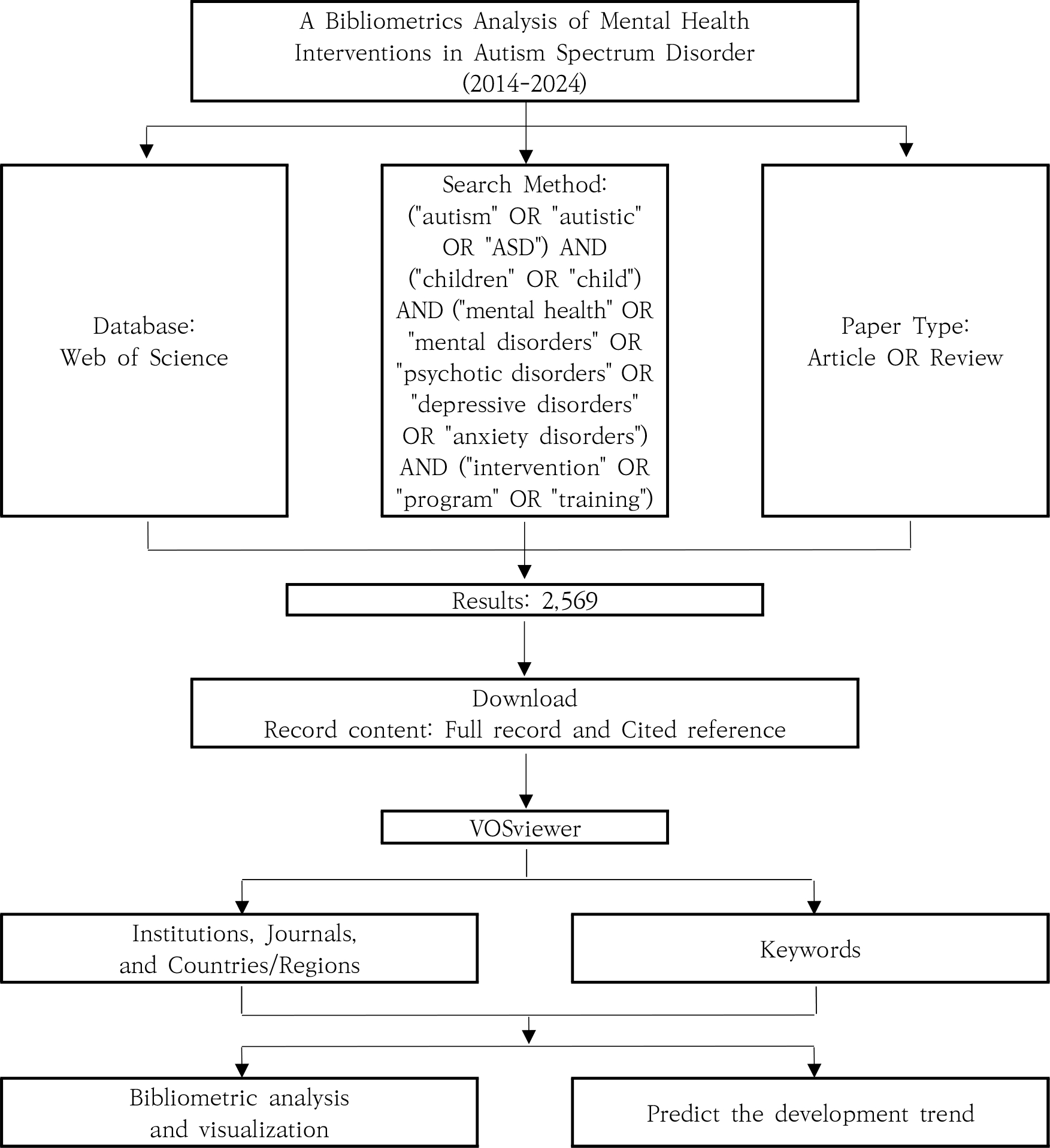
Figure 1.Flow Chart of Bibliometrics Analysis

2.분석 방법

선정된 논문들의 계량서지학적 분석을 위해 VOS viewer (version 1.6.13)를 활용하였다. 계량서지학적 분석의 종류는 동시인용 분석, 동시출현 분석, 공동저술 분석, 서지결합분석, 텍스트 분석 등으로 다양하다([Jeong & Ban, 2020]; [Park et al., 2022]).

동시인용 분석은 논문이 동시에 인용된 경우의 지적구 조와 주제 영역 간의 관련성을 규명하고 변화를 살펴보는 방법이다([Boyack & Klavans, 2010]). 해당 기법은 제 3의 논문이 두 편의 논문을 동시에 인용하였을 때, 두 편의 논문이 서로 관련이 있다는 가설을 전제로 한다 ([Heo & Song, 2013]). 동시 인용 횟수가 높은 정보들을 모아 군집화하고 이를 시각화된 지도로 나타낸다. 이때 정보들의 위치가 가까울수록 연관성이 높은 것을 뜻하며, 멀수록 연관성이 낮다고 해석할 수 있다([Van Eck & Waltman, 2017]). 동시 출현 분석은 키워드 분석의 한 형태로, 두 키워드가 하나의 문헌에서 함께 출현하는 경 우 해당 키워드들이 서로 연관된 주제를 나타낸다고 해석 한다([Kim & Song, 2014]). 본 연구에서는 최소 5회 이상 나타난 키워드를 대상으로 하며, 중복된 단어는 세지 않 았다. VOS viewer에서의 키워드 분석 결과는 원과 연결 선으로 표현되며, 원의 크기가 크고 연결선의 굵기가 굵 을수록 해당 분야에서 영향력 있는 키워드로 여겨진다 ([Van Eck & Waltman, 2014]). 본 연구에서는 동시인용 분석을 통해 국가, 연구기관, 학술지를 파악하였으며 키 워드 분석은 동시 출현 분석을 통한 클러스터 형성을 통 해 진행하였다.

3.분석내용

본 연구는 최근 10년간 자폐 스펙트럼 장애 아동을 대상으로 한 정신건강 중재 관련 연구 동향을 분석하고자 하였다. 이를 위해 출판된 문헌의 수와 관련 학문 분야를 확인하였으며, 동시인용 분석을 통해 주요 국가, 연구기 관, 학술지를 파악하고, 키워드 분석은 동시 출현 분석을 기반으로 클러스터를 형성하여 수행하였다.

III.연구 결과

1.연구 동향 분석

1)연도별 출판 문헌 수

2014년부터 2024년까지 자폐 스펙트럼 장애 아동을 대상으로 한 정신건강 중재에 관한 연구논문이 총 2,569 편 검색되었다. 연도별 출판 문헌의 추이를 살펴보면, 2014년 이후 꾸준히 증가하다가 2022년부터 감소하는 추세를 보였다. 특히 2021년에는 300편이 넘어서면서 급격한 상승세를 기록하였고, 해당 연도에 총 374편의 문헌이 출판되어 가장 높은 수치를 나타냈다(Figure 2).
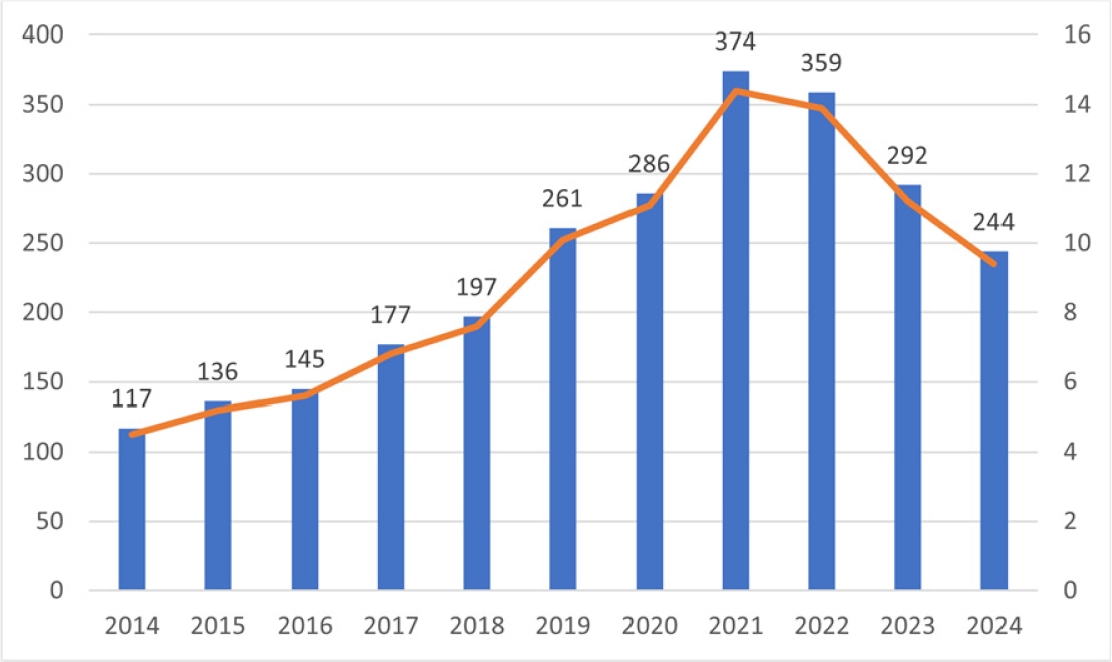
Figure 2.Number of Published Literature on Mental Health Interventions for Children with Autism Spectrum Disorder

2)연구 분야

자폐 스펙트럼 장애 아동의 정신건강 중재 연구를 진 행한 2,569편의 문헌 중 상위 10개 연구 분야를 분석한 결과는 Figure 3과 같다. 정신의학(Psychiatry) 697편 (26.9%)으로 가장 많았으며, 심리 발달(Psychology Development) 648편(25.9%), 신경과학(Neurosciences) 463편(17.8%), 소아학(Pediatrics) 264편(10.2%), 재 활학(Rehabilitation) 163편(6.2%), 유전학(Genetics Heredity) 159편(6.1%), 임상 신경학(Clinical Neurology) 146편(5.6%), 행동 과학(Behavioral Sciences) 141편 (5.4%), 다학제 과학(Multidisciplinary Sciences) 134 편(5.1%), 임상심리학(Clinical Psychology) 132편(5.1%) 순으로 나타났다.
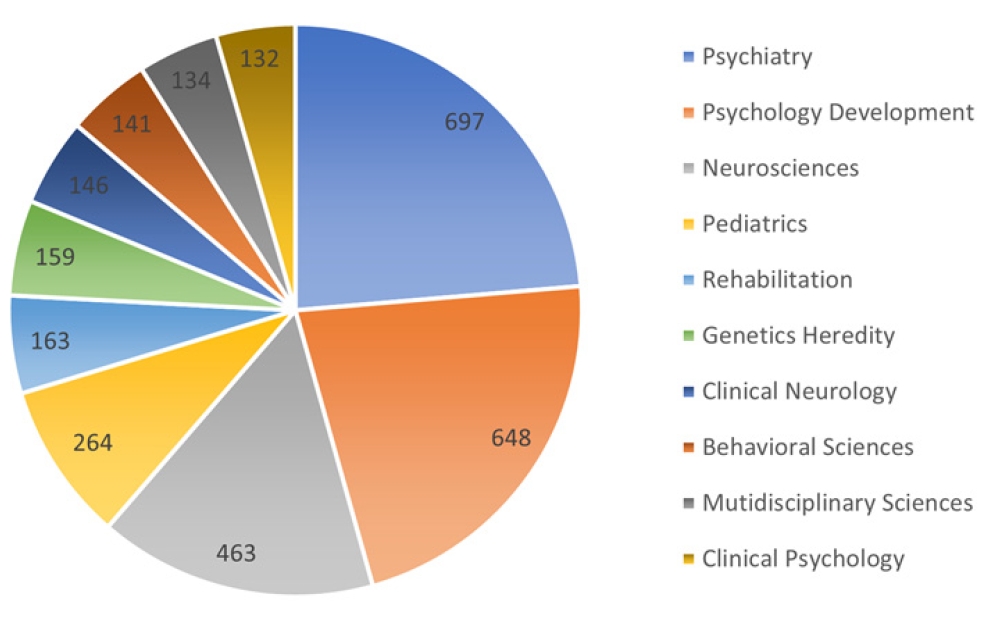
Figure 3.Top 10 Research Areas on Mental Health Interventions for Children with Autism Spectrum Disorder

2.동시인용 분석

자폐 스펙트럼 장애 아동을 대상으로 한 정신건강 중 재를 연구한 상위 10개 국가 및 지역, 기관, 저자, 학술지 의 문헌 수(documents), 인용 횟수(citation), 총 연결 강도(total link strength)를 분석하여 도표화하였으며 이들의 연결 관계와 영향력을 반영하는 시각화 지도를 제공하였다.

1)국가 및 지역

전체 93개 국가 중 최소 5편 이상의 연구를 수행한 54개의 국가를 대상으로 동시 인용 분석을 실시하였다 (Figure 4). 분석 결과, 미국은 1,235편(48.07%)의 논문 을 게재하며 가장 많은 문헌 수를 기록했으며, 총 연결 강도 1,250으로 가장 높은 수치를 보였다. 이는 미국이 해당 분야에서 선두를 차지하고 있음을 나타내며, 다양 한 국가들이 미국 문헌을 참고문헌으로 활용했음을 보여 준다. 시각화 지도에서 미국의 노드 크기가 가장 크고, 호주 및 네덜란드와의 연결선이 두꺼운 것으로 나타나 이들 국가 간의 협력과 연관성이 높음을 확인할 수 있었 다. 특히 미국과 캐나다는 중첩된 원으로 표현되어 높은 학문적 연계를 시사하였다(Table 1).
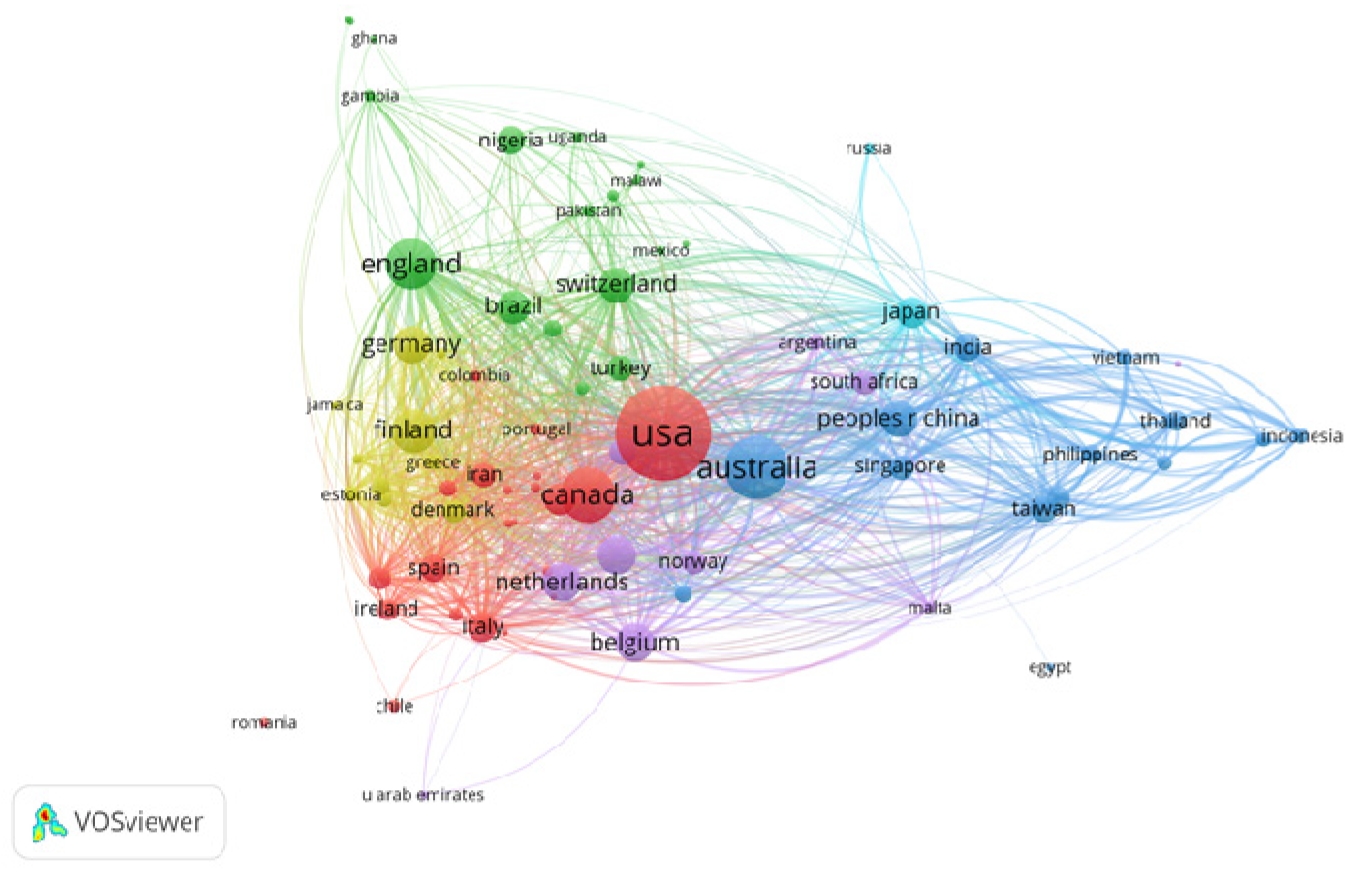
Figure 4.Citation Analysis by Countries and Regions
Table 1.Top 10 Countries and Regions in Mental Health Interventions Publications
Rank Country and Region Publication (%) Citation Total link strength
1 USA 1,235 (48.07) 55,440 1,250
2 England 397 (15.45) 23,214 1,058
3 Canada 245 (9.54) 19,137 908
4 Australia 211 (8.21) 11,828 683
5 Netherlands 141 (5.49) 12,021 731
6 Germany 129 (5.02) 4,442 255
7 Italy 126 (4.90) 12,448 733
8 Sweden 101 (3.93) 8,548 624
9 Spain 89 (3.46) 11,472 483
10 France 88 (3.43) 9,037 533

2)기관

전체 2,696개 기관 중 최소 5편 이상의 연구를 수행한 302개의 기관을 대상으로 동시 인용 분석을 실시하였다 (Figure 5). 분석 결과, King’s College London이 135 편(5.25%)으로 가장 많은 문헌을 출판하였으며, 총 연결 강도도 가장 높게 나타나 해당 연구 분야에서 강한 직·간접적 영향력을 지닌 기관으로 확인되었다. 이어서 University of California Los Angeles가 117편(4.55%), University of Washington이 108편(4.20%)의 문헌을 출판하여 주요 연구기관으로 나타났다. 인용 횟수 측면에서는 University of Toronto가 7,151회로 가장 높았으며, King's College London이 6,576회, Vanderbilt University가 6,040 회로 뒤를 이었다(Table 2).
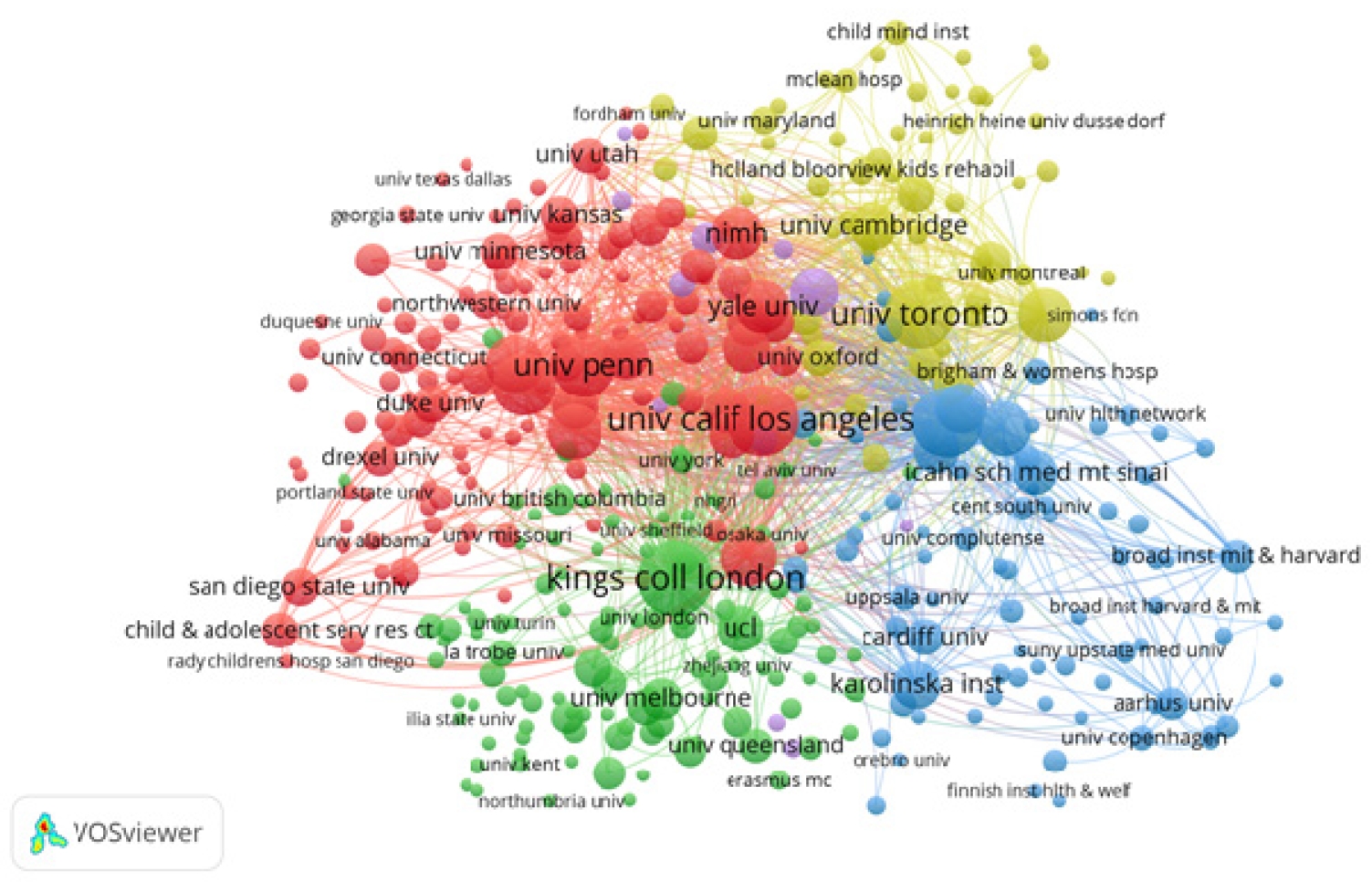
Figure 5.Citation Analysis by Institutions
Table 2.Top 10 Institutions in Mental Health Interventions Publications
Rank Institution Country Publication (%) Citation Total link strength
1 King's college London England 135 (5.25) 6,576 460
2 University of California, Los Angeles USA 117 (4.55) 5,172 408
3 University of Washington USA 108 (4.20) 3,690 437
4 University of Pennsylvania USA 104 (4.05) 2,628 362
5 University of Toronto Canada 102 (3.97) 7,151 563
6 Harvard Medical School USA 89 (3.46) 3,625 444
7 University of California, Davis USA 83 (3.23) 4,602 228
8 Vanderbilt University USA 81 (3.15) 6,040 188
9 University of California, San Diego USA 76 (2.96) 3,513 251
10 Yale University USA 60 (2.34) 3,452 234

3)학술지

전체 532개 학술지 중 최소 5개 이상의 연구를 진행한 88개의 학술지에 대해 동시 인용 분석을 실시하였다 (Figure 6). 분석 결과, Autism이 128편(4.98%)으로 가장 많은 문헌을 게재하였으며, Journal of Autism and Developmental Disorders가 126편(4.90%), Autism Research가 87편(3.39%)으로 뒤를 이었다. 이들 학술 지는 총 연결 강도에서도 동일한 순위를 보이며 해당 연구 분야에서 중심적인 역할을 하는 학술지로 확인되었다. 인용 횟수에서는 Journal of Autism and Developmental Disorders가 4,295회로 가장 높았고, 이어서 Journal of Child Psychology and Psychiatry 3,010회, Autism 2,998회 순으로 나타났다(Table 3).
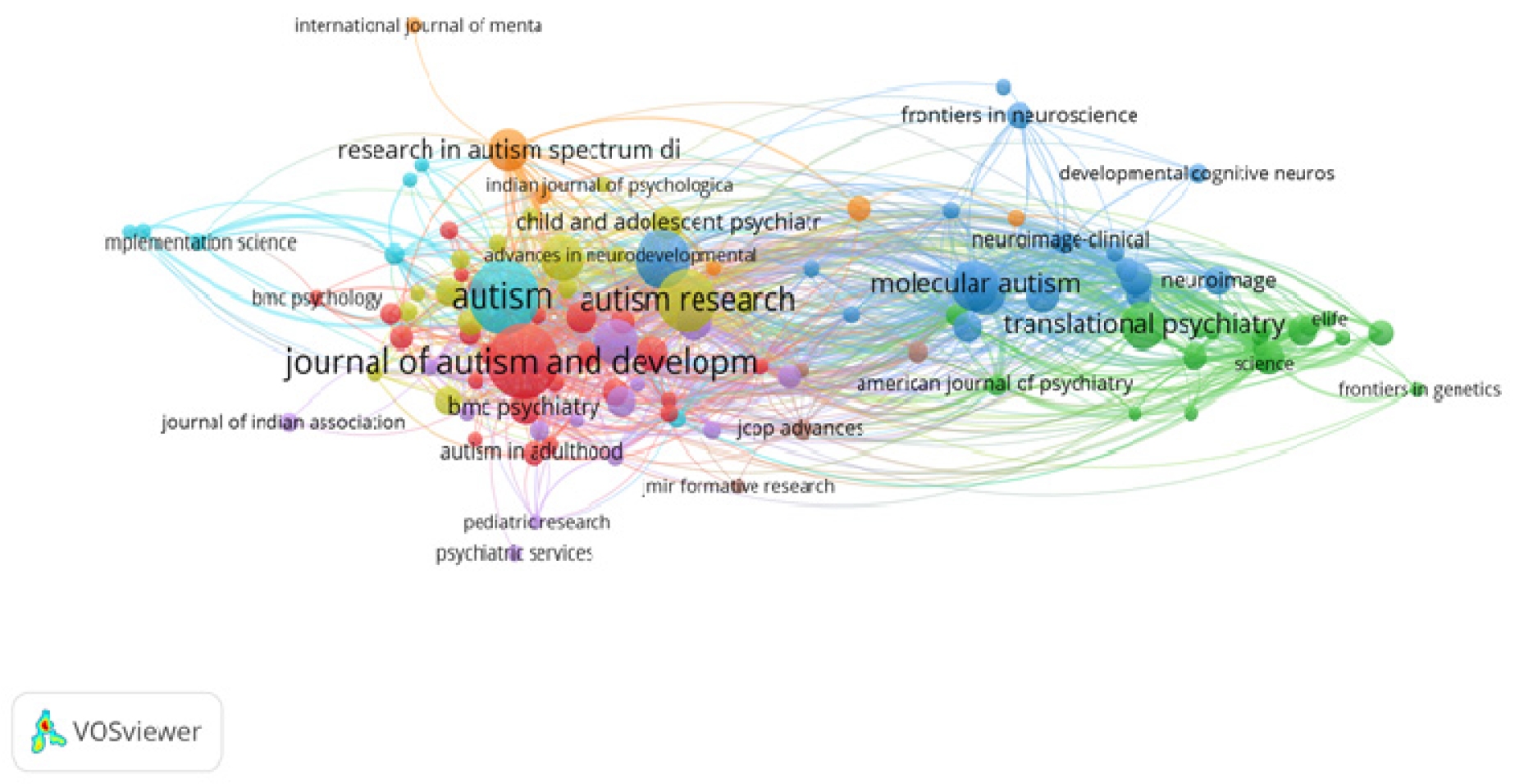
Figure 6.Citation Analysis by Journals
Table 3.Top 10 Journals in Mental Health Interventions
Rank Journal Country Publication (%) Citation Total link strength
1 Autism England 128 (4.98) 2,998 328
2 Journal of Autism and Developmental Disorders USA 126 (4.90) 4,295 311
3 Autism Research USA 87 (3.39) 2,274 278
4 Frontiers in Psychiatry Switzerland 68 (2.65) 926 129
5 Molecular Autism England 52 (2.02) 2,000 155
6 Journal of Child Psychology and Psychiatry England 41 (1.60) 3,010 202
7 Research in Autism Spectrum Disorders Netherlands 40 (1.56) 625 92
8 PLOS One USA 35 (1.36) 766 75
9 Journal of Neurodevelopmental Disorders USA 32 (1.25) 834 87
10 Translational Psychiatry England 29 (1.13) 984 78

3.동시출현 분석

1)키워드 및 클러스터

전체 6,946개 키워드 중 최소 5편 이상의 연구를 수행 한 550개의 키워드에 대한 연관성을 보기 위해 동시 출 현 분석을 실시하였다. 본 연구에서 검색어로 사용된 autism, autistic, ASD, children, child, mental health, mental disorders, psychotic disorders, depressive disorder, anxiety disorders, intervention, program, training의 키워드는 분석에서 제외하였다.

출현 빈도가 높은 상위 10개의 키워드는 청소년 (adolescents) 312회, 유병률(prevalence) 230회, 개인 (individuals) 184회, 성인(adults) 180회, 부모(parents) 139회, 진단(diagnosis) 123회, 언어(language) 74회, 동반질환(comorbidity) 70회, 메타분석(meta-analysis) 70회, 건강(health) 68회로 나타났다(Table 4).

Table 4.Top 10 Research Keywords in Mental Health Interventions
Rank Keyword Occurrences Total link strength
1 Adolescents 312 2,886
2 Prevalence 230 1,965
3 Individuals 184 1,665
4 Adults 180 1,603
5 Parents 139 1,247
6 Diagnosis 123 1,104
7 Language 74 639
8 Comorbidity 70 646
9 Meta-analysis 70 572
10 Health 68 569

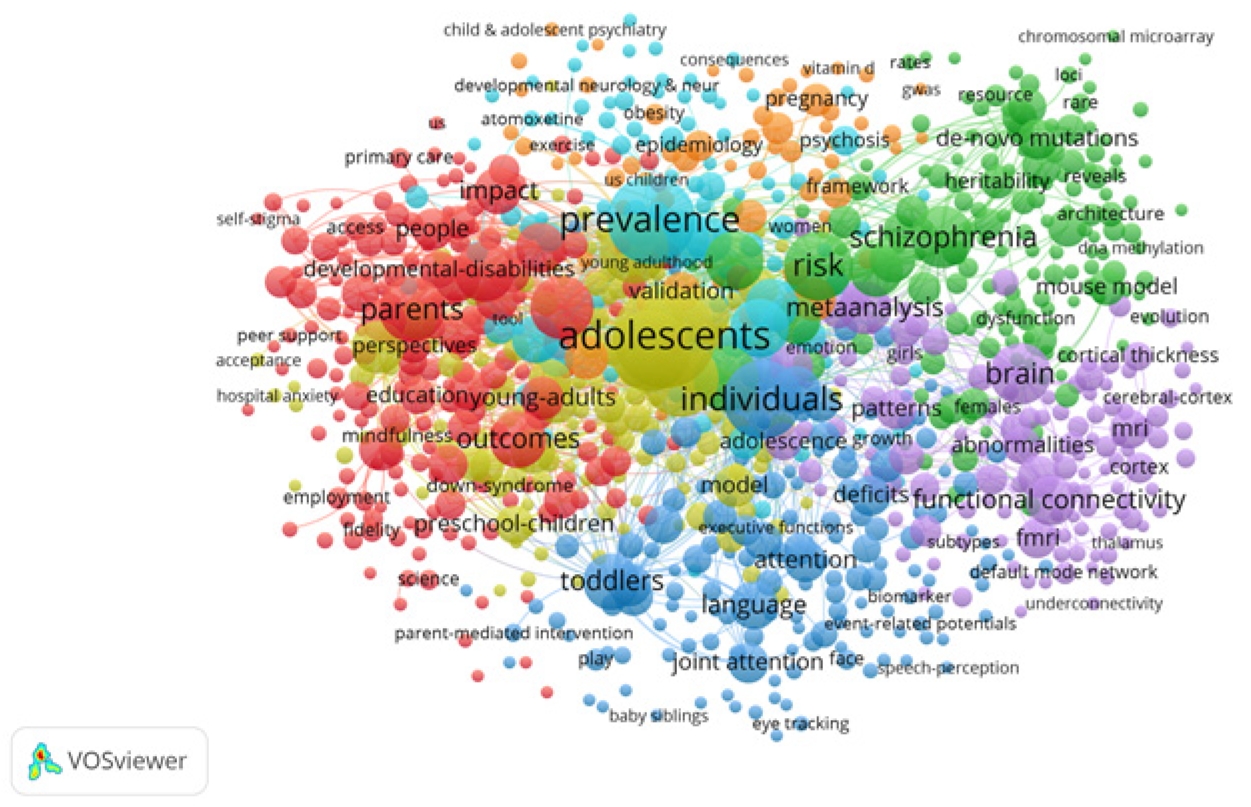
추출된 550개의 키워드는 10개의 연구 영역으로 구분 되었다. 각 Cluster의 색상에 따라 분류한 결과, Cluster A (빨간색) 신경과학, Cluster B (초록색) 중재, Cluster C (파란색) 심리 및 인지, Cluster D (노랑색) 사회적 지지, Cluster E (보라색) 유전, Cluster F (하늘색) 동반 질환, Cluster G (주황색) 사회성 및 의사소통, Cluster H (갈색) 진단 및 평가, Cluster I (분홍색) 심리측정, Cluster J (연두색) 심리교육에 관련된 키워드로 그룹화 되었다(Table 5). 특히, Cluster F(동반질환)가 중심에 가까이 위치하며 해당 Cluster에서 청소년 키워드는 출 현 빈도 312회, 총 연결강도 2,886으로 나타나 다른 연 구 영역과의 높은 연관성을 보였다(Figure 7).

Table 5.Top 10 Keywords in Cluster
Clusters Name Top 10 keywords
A
Neurosciences
brain, meta-analysis, schizophrenia, functional connectivity, connectivity, deficits, patterns, fmri, mri, abnormalities
B
Interventions
outcomes, health, care, services, young adults, experiences, implementation, randomized controlled trial, disabilities, cognitive-behavioral therapy
C
Cognitive and psychology
behavior, language, attention, joint attention, neurodevelopmental disorders, emotion regulation, cognition, siblings, executive function, perception
D
Parents mental health
parents, stress, mothers, disorders, intellectual disability, early intervention, quality of life, impact, people, developmental-disabilities
E
Genetic
risk, association, age, identification, de novo mutations, traits, variants, mutations, population, expression
F
Comorbidities
adolescents, prevalence, adhd, symptoms, comorbidity, efficacy, epidemiology, sleep, systematic review, psychiatry
G
Social Interaction and communication
individuals, communication, follow-up, impairment, social communication, speech, machine learning, trajectories, fragile x syndrome, language impairment
H
Screening and Assessment
diagnosis, screening, united-states, telehealth, assessment, modified checklist, early identification, stability, disabilities monitoring network, early detection
I
Psychometric
adults, validity, scale, model, reliability, questionnaire, controlled-trial, performance, self-report, virtual reality
J
Psychoeducation
psychoeducation
Figure 7.Co-Occurrence Analysis of Keywords, 2014-2024

평균 출판연도를 기준으로 노드의 색상이 어두운 파란 색일수록 과거에 등장한 키워드, 밝은 노란색일수록 최 근에 등장한 키워드를 의미하며, 상위 10개 키워드는 2020년에 6개, 2019년과 2021년에 각각 2개씩 확인되 었다(Figure 8).
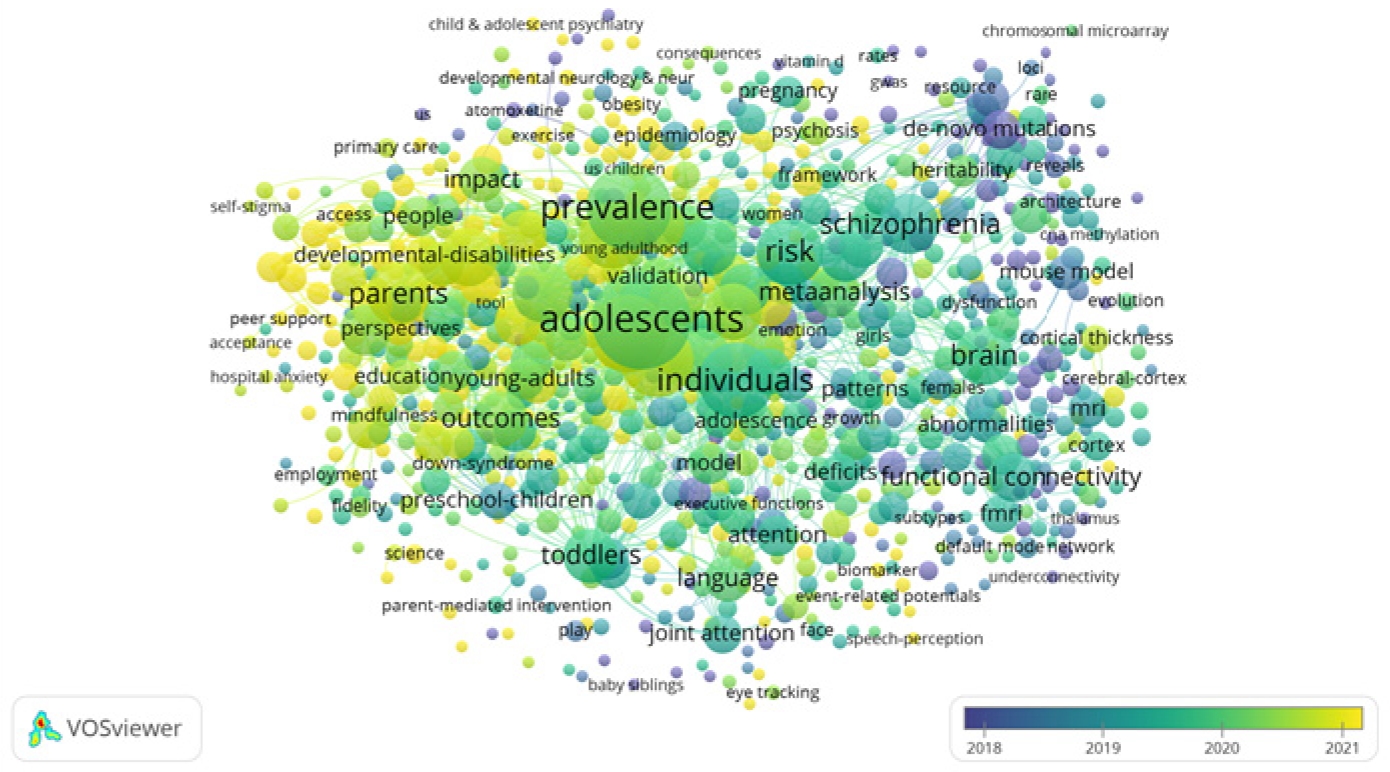
Figure 8.Annual Frequency Analysis of Keywords, 2014-2024

IV.고찰

본 연구에서는 자폐 스펙트럼 장애 아동의 정신건강 문제가 지속적으로 증가함에 따라, 이를 해결하기 위한 정신건강 중재의 연구 동향과 핵심 영역을 확인하고자 하였다. 이를 위해 계량서지학적 분석을 실시하여 출판 경향, 연구 국가 및 분야, 학술지에 대한 인용 분석을 진행하였으며, 동시출현 단어를 추출하여 키워드를 시각 적으로 군집화하였다. 이를 통해 본 연구는 자폐 스펙트 럼 장애 아동의 정신건강 중재에 대한 거시적인 흐름을 파악하고, 향후 관련 분야의 연구 확장을 위한 기반을 마련한 것으로 사료된다.

분석 결과, 자폐 스펙트럼 장애 아동의 정신건강 및 중재에 관한 연구는 2021년 정점을 이르렀으나 이후 다 소 감소하는 추세를 보였다. 이는 2020년부터 시작된 코로나19 팬데믹으로 인해 자폐 스펙트럼 장애 아동의 고립, 불안, 스트레스, 우울 등의 정신건강 문제가 급증한 데에 기인한 것으로 판단된다([Yang, 2024]). 2021년 코 로나 19 팬데믹이 지속된 시점에서 실시한 정신건강 실 태조사에 따르면, 자폐 스펙트럼 장애 아동이 경험한 유 의미한 우울과 불안이 22.1%로 이전보다 크게 증가하였 다([Ministry of Health and Welfare, 2024]; [Jeong & Jung, 2023]). 이러한 결과는 팬데믹이 정신건강 중재 연구의 활성화에 영향을 미쳤음을 시사한다.

분야별 분석 결과, 정신의학(26.9%)과 심리학(25.0%), 신경과학(17.8%)이 주요 연구 분야로 확인되었다. 이 중 신경과학 분야의 연구 비중이 높은 것은 자폐 스펙트럼 장애의 정신건강 문제를 신경학적 기제를 통해 진단하고 치료하려는 경향을 반영하는 것으로 사료된다([Tebartz van Eist et al., 2013]). 이는 자폐 스펙트럼 장애 아동의 정신건강 중재의 초점이 약물치료와 같은 의학적인 분야 에 치중되어 있음을 시사하며, 재활 분야의 연구가 상대 적으로 미비함을 확인할 수 있다([Kala et al., 2021]; [Ma & Cao, 2024]).

동시인용분석과 공동저술분석을 통해 도출한 국가/기관, 저자, 학술지에 대한 결과는 국가를 기준으로 통합적으로 설명할 수 있다. 모든 분석 결과에서 공통적으로 미국과 영국이 가장 활발하게 연구에 참여하고 있었다. 이는 자폐 스펙트럼 아동의 유병률과 정신장애 비율이 지속적으로 증가하고 있는 미국과 영국의 현황이 영향을 미쳤을 것으로 사료된다([Marlow et al., 2025]; [Russell et al., 2025]). 또한, 각 국가는 자폐 스펙트럼 장애 아동의 권리 및 서비스 를 보장하는 법과 중재 프로그램이 체계적으로 확립되어 있다. 구체적으로, ADA (Americans with Disabilities Act)와 Autism Act와 같은 장애 아동에 대한 법이 다른 국가보다 일찍 제정되어 아동을 보호하고 있다. 중재의 경우 에도 IDEA (Individuals with Disabilities Education Act) 및 EHC (Education, Health and Care)와 같은 조기 중재가 활발히 이루어지고 있다([Kauffman et al., 2021]; [Zwaigenbaum et al., 2021]). 이는 자폐 스펙트 럼 장애 아동의 정신건강 문제와 관련된 법과 다양한 중 재 프로그램들이 개발되면서, 중재의 실질적인 효과를 검증하는 연구들이 관심을 받았을 것으로 사료된다 ([Fatima et al., 2025]).

주요 키워드를 군집화한 Cluster들은 크게 자폐 스펙 트럼 장애의 원인, 임상적 특성, 중재라는 세 가지 영역으 로 구분하여 설명할 수 있다. 첫 번째는 자폐 스펙트럼 장애의 원인을 나타내는 클러스터로, Cluster A(신경과 학)와 Cluster E(유전)이며, 이는 자폐 스펙트럼 장애의 원인을 유전학의 관점에서만 밝히려던 과거의 연구 경향 과 기존의 제한점을 보완하여 신경학적인 기전까지 분석 한 현대의 연구 경향을 모두 반영한 것으로 보인다 ([Geschwind, 2011]; [Klin, 2023]; [Veenstra-Vander Weele et al., 2023]; [Vorstman et al., 2017]). 따라서 본 연구의 문헌 검색 기간을 10년으로 설정함으로써 기 대했던 광범위한 분석이 실현되었음을 확인할 수 있었다.

두 번째는 자폐 스펙트럼 장애의 임상적 특징을 나타 내는 클러스터로, Cluster C (인지 및 심리), Cluster G (사회성 및 의사소통), Cluster F (동반질환)가 해당된다. DSM-5에 따르면, 자폐 스펙트럼 장애 아동은 다양한 분야에 걸쳐 나타나는 사회적 의사소통 및 상호작용의 지속적인 결함으로 타인과 감정적인 상호성에서 어려움 을 겪는다. 특히, 사회적 상호작용을 위한 언어적 및 비언 어적인 의사소통의 결함과 대인관계 유지 및 발전을 위한 이해의 어려움이 가장 많이 보고되었다([Wiggins et al., 2019]).

마지막 클러스터는 자폐 스펙트럼 장애 아동을 위한 평가 및 치료와 관련된 Cluster B (중재), Cluster C (부 모 정신건강), Cluster H (진단 및 평가), Cluster I (심리 측정), 그리고 Cluster J (심리 교육)가 해당된다. 자폐 스펙트럼 장애 아동의 정신건강 중재라는 본 연구 목적에 따라 다수의 클러스터가 치료와 관련된 것으로 나타났다. 이 중 가장 많은 클러스터가 포함된 자폐 스펙트럼 장애 아동을 대상으로 한 중재의 종류에 대해 자세히 설명하고 자 한다. 중재와 관련된 핵심 키워드는 인지행동치료 (Cognitive Behavior Therapy, CBT)와 원격 의료 (telehealth)로 나타났다. 먼저 인지행동치료는 인지적 재구조화를 핵심으로 하여, 실제 발생하지 않을 사건을 과장되게 해석하는 자동적 사고(automatic thought)를 수정함으로써 정신건강 문제가 완화하고자 한다([Choi, 2010]). 지난 10년간 인지행동치료는 자폐 스펙트럼 장 애를 가진 아동 및 청소년의 우울 및 불안 장애를 완화하 는 효과적이라는 연구 결과가 지속적으로 보고되었다 ([Faja & Nelson Darling, 2019]; [Kilburn et al., 2023]; [Spain & Happe, 2020]; [Storch et al., 2013]).

다음으로 원격 의료는 코로나 19 팬데믹으로 인해 대 면 중재가 어려워짐에 따라, 디지털 중재 방식이 활발히 도입되기 시작한 시점부터 주요 키워드로 등장한 것으로 보인다([Marchi et al., 2021]). 이는 본 연구에서 자폐 스펙트럼 장애 아동을 대상으로 한 정신건강 중재 연구가 2021년에 가장 활발하게 진행된 것과 관련이 있는 것으 로 판단된다. 자폐 스펙트럼 장애 아동의 정신건강을 위한 원격 의료는 주로 감정 조절을 목표로 설정하여 다양한 형태 의 중재를 제공하였다([Beauchaine & Cicchetti, 2019]; [Coffman et al., 2024]; [Kaur et al., 2024]; [McDonald et al., 2024]; [Restoy et al., 2024]). 이러한 중재를 통해 불안과 우울 등 정서적 과민성이 감소하고 중재 종료 후 에도 그 효과가 지속되어, 원격 의료를 통한 감정 조절 중재가 자폐 스펙트럼 장애 아동의 정신건강 문제에 긍 정적인 효과가 있음을 입증하였다.

본 연구의 제한점은 다음과 같다. 첫째, 데이터베이스 로 Web of Science만을 사용하여 분석을 진행했기 때 문에 다양한 데이터베이스에 수록된 문헌을 포함하지 못 하였다. 이로 인해 다른 데이터베이스에 등록된 문헌들 이 문헌 검색 단계에서 배제되었을 가능성이 있다. 둘째, 문헌 간의 연결성과 해당 분야의 전체적인 경향을 파악하 는데 중점을 두었기 때문에 추출된 문헌의 전문을 세부적 으로 분석하지 못하였다. 이에 따라 각 문헌에 제시된 연구의 질적 수준 및 연구 방법론 그리고 이에 따른 효과 성을 구체적으로 파악하는데 한계가 있었다. 마지막으 로, 키워드 분석 과정에서 각 키워드가 문헌에서 사용된 맥락을 확인하기 어려워 핵심 키워드에 대한 명확한 정의 나 개념을 다루지 않았다. 이는 키워드 간의 주요 구조와 관계만 반영되었고, 개념적 분석은 제한적으로 이루어졌 음을 나타낸다. 따라서 향후에는 다양한 데이터베이스를 활용하고, 각 문헌에 대한 개념적인 분석도 진행하는 심 층적인 연구가 필요하다. 이는 자폐 스펙트럼 장애 아동 의 정신건강 중재를 제공하는 다양한 전문가들이 중재의 질을 높이고 그 효과성을 명확히 확인하는데 기여할 수 있을 것으로 보인다.

본 연구의 결과를 통해 자폐 스펙트럼 장애 아동의 정신 건강 중재 연구의 동향뿐만 아니라 주요 키워드에 대한 구체적인 분석까지 함으로써, 지난 10년간의 학문적 범위 를 파악하고 해당 분야에 관심이 있는 작업치료사에게 전 체적인 지표 및 방향성을 제공하였다는 데 의의가 있다.

V.결론

본 연구는 VOSviewer 소프트웨어를 활용한 계량서 지학적 분석을 통해 자폐 스펙트럼 장애 아동의 정신건강 중재에 대한 지난 10년간 출판된 학술자료의 연구 동향 및 추세를 알아보았다. 첫째, 2014년 이후 연구의 중요 성이 강조되면서 연구의 수가 증가 추세를 보였고, 정신 의학 분야에서 집중적으로 연구가 진행되었다. 둘째, 문헌 출판 수, 인용 횟수, 총 연결 강도에서 미국이 가장 높은 학문적 영향력을 보였으며 영국이 그 뒤를 이었다. 마지 막으로, 청소년이 주요 키워드로 나타났으며, 클러스터 분석에서도 높은 출현 빈도 및 중심성을 보여 다른 클러 스터와도 강한 연관성 보였고 이외에도 유병률, 개인, 어 른, 부모가 확인되었다. 결과적으로 정신건강 중재는 단 순히 정신 질환의 측면뿐만 아니라 개인적 및 환경적 요 인을 포함한 다양한 영역을 고려할 필요가 있음을 내포하 고 있다. 이를 해결하기 위해서는 다방면의 종합적인 평 가 및 모니터링을 통해 지지 및 방해 요소를 명확히 파악 하는 것이 중요하다. 또한, 자폐 스펙트럼 장애 아동에게 의미 있는 중재를 제공하기 위해 작업치료사를 포함한 여러 학문 분야의 전문가들의 협력과 연계가 필요하며, 이에 대한 논의는 지속적으로 이루어져야 한다. 본 연구 의 결과가 자폐 스펙트럼 아동의 정신건강 중재에 대한 근거를 마련하고자 하는 작업치료사에게 새로운 연구 방 향성을 제시하는 기초자료로 활용되기를 기대한다.

References

Adams, D., Simpson, K., & Keen, D. (2018). School-related anxiety symptomatology in a community sample of primary-school-aged children on the autism spectrum. Journal of School Psychology, 70, 64-73. https://doi.org/10.1016/j.jsp.2018.07.003
American Psychiatric Association. (2013). Diagnostic and statistical manual of mental disorders. https://doi.org/10.1176/appi.books.9780890425596
Bal, V. H., Mournet, A. M., Glascock, T., Shinall, J., Gunin, G., Jadav, N., Zhang, H., Brennan, E., Istvan, E., & Kleiman, E. M. (2024). The emotional support plan: Feasibility trials of a brief, telehealth-based mobile intervention to support coping for autistic adults. Autism, 28(4), 932-944. https://doi.org/10.1177/13623613231186035
Beauchaine, T. P., & Cicchetti, D. (2019). Emotion dysregulation and emerging psychopathology: A transdiagnostic, transdisciplinary perspective. Development & Psychopathology, 31(3), 799-804. https://doi.org/10.1017/S0954579419000671
Bemmer, E. R., Boulton, K. A., Thomas, E. E., Larke, B., Lah, S., Hickie, I. B., & Guastella, A. J. (2021). Modified CBT for social anxiety and social functioning in young adults with autism spectrum disorder. Molecular Autism, 12, 11. https://doi.org/10.1186/s13229-021-00418-w
Boyack, K. W., & Klavans, R. (2010). Co-citation analysis, bibliographic coupling, and direct citation: Which citation approach represents the research front most accurately?. Journal of the American Society for Information Science & Technology, 61(12), 2389-2404. https://doi.org/10.1002/asi.21419
Brookman-Frazee, L. I., Drahota, A., & Stadnick, N. (2012). Training community mental health therapists to deliver a package of evidencebased practice strategies for school-age children with autism spectrum disorders: A pilot study. Journal of autism & Developmental Disorders, 42, 1651-1661. https://doi.org/10.1007/s10803-011-1406-7
Cai, R. Y., Richdale, A. L., Dissanayake, C., & Uljarević, M. (2019). Resting heart rate variability, emotion regulation, psychological wellbeing and autism symptomatology in adults with and without autism. International Journal of Psychophysiology, 137, 54-62. https://doi.org/10.1016/j.ijpsycho.2018.12.010
Cameron, L. A., Phillips, K., Melvin, G. A., Hastings, R. P., & Gray, K. M. (2021). Psychological interventions for depression in children and young people with an intellectual disability and/or autism: Systematic review. British Journal of Psychiatry, 218(6), 305-314. https://doi.org/10.1192/bjp.2020.226
Carmona-Serrano, N., López-Belmonte, J., López-Núñez, J. A., & Moreno-Guerrero, A. J. (2020). Trends in autism research in the field of education in Web of Science: A bibliometric study. Brain Sciences, 10(12), 1018. https://doi.org/10.3390/brainsci10121018
Center for Disease Control and Prevention. (2024). Data & statistics on autism spectrum disorder. https://www.cdc.gov/autism/data-research/index.html
Choi, Y. H. (2010). Psychodynamic and cognitive behavior therapy. Journal of Korean Neuropsychiatric Association, 49(49), 59-69.
Coffman, M., Wells, M., Schmitt, L. M., Reisinger, D. L., Horn, P. S., & Shaffer, R. C. (2024). Telehealth regulating together pilot trial: Emotion regulation intervention for autistic children and adolescents. Frontiers in Psychiatry, 15, 1401148. https://doi.org/10.3389/fpsyt.2024.1401148
Costello, E. J., Mustillo, S., Erkanli, A., Keeler, G., & Angold, A. (2003). Prevalence and development of psychiatric disorders in childhood and adolescence. Archives of General Psychiatry, 60(8), 837-844. https://doi.org/10.1001/archpsyc.60.8.837
Dickson, K. S., Lind, T., Jobin, A., Kinnear, M., Lok, H., & Brookman-Frazee, L. (2021). A Systematic Review of Mental Health Interventions for ASD: Characterizing Interventions, Intervention Adaptations, and Implementation Outcomes. Administration and Policy in Mental Health & Mental Health Services Research, 48(5), 857-883. https://doi.org/10.1007/s10488-021-01133-7
Doernberg, E. A., Russ, S. W., & Dimitropoulos, A. (2021). Believing in make-believe: Efficacy of a pretend play intervention for schoolaged children with high-functioning autism spectrum disorder. Journal of Autism & Developmental Disorders, 51(2), 576-588. https://doi.org/10.1007/s10803-020-04547-8
Faelens, L., Hoorelbeke, K., Cambier, R., Van Put, J., Van de Putte, E., De Raedt, R., & Koster, E. H. (2021). The relationship between Instagram use and indicators of mental health: A systematic review. Computers in Human Behavior Reports, 4, 100121. https://doi.org/10.1016/j.chbr.2021.100121
Faja, S., & Nelson Darling, L. (2019). Variation in restricted and repetitive behaviors and interests relates to inhibitory control and shifting in children with autism spectrum disorder. Autism, 23(5), 1262-1272. https://doi.org/10.1177/1362361318804192
Fatima, S., Sajjad, M., Salman, F., & Sarfraz, S. (2025). Mental health outcomes in parents of children with autism: implications for practice and policy. Pakistan Journal of Humanities & Social Sciences, 13(1), 77-82. https://doi.org/10.52131/pjhss.2025.v13i1.2637
Gadow, K. D., DeVincent, C. J., & Pomeroy, J. (2006). ADHD symptom subtypes in children with pervasive developmental disorder. Journal of Autism & Developmental Disorders, 36, 271-283. https://doi.org/10.1007/s10803-005-0060-3
Geschwind, D. H. (2011). Genetics of autism spectrum disorders. Trends in Cognitive Sciences, 15(9), 409-416. https://doi.org/10.1016/j.tics.2011.07.003
Guzick, A. G., Schneider, S. C., Kook, M., Greenberg, R., Perozo-Garcia, A., Lee, M. P., Garcia, J., Onyeka, O. C., Riddle, D. B., & Storch, E. A. (2024). Internet-based, parentled cognitive behavioral therapy for autistic youth with anxiety-related disorders: A randomized trial comparing email vs. telehealth support. Behaviour Research & Therapy, 183, 104639. https://doi.org/10.1016/j.brat.2024.104639
Heo, G. E., & Sone, M. (2013). Examining the intellectual structure of a medical informatics journal with author co-citation analysis and co-word analysis. Journal of the Korean Society for Information Management, 30(2), 207-225. https://doi.org/10.3743/KOSIM.2013.30.2.207
Hernández-González, O., Fresno-Rodríguez, A., Spencer-Contreras, R. E., Tárraga-Mínguez, R., González-Fernández, D., & Sepúlveda-Opazo, F. (2023). Research mapping of trauma experiences in autism spectrum disorders: A bibliometric analysis. Healthcare, 11(9), 1267. https://doi.org/10.3390/healthcare11091267
Hollocks, M. J., Lerh, J. W., Magiati, I., Meiser-Stedman, R., & Brugha, T. S. (2019). Anxiety and depression in adults with autism spectrum disorder: A systematic review and meta-analysis. Psychological Medicine, 49(4), 559-572. https://doi.org/10.1017/S0033291718002283
Hudson, C. C., Hall, L., & Harkness, K. L. (2019). Prevalence of depressive disorders in individuals with autism spectrum disorder: A meta-analysis. Journal of Abnormal Child Psychology, 47, 165-175. https://doi.org/10.1007/s10802-018-0402-1
Hwang, Y., Lee, S., & Jeon, J. (2025). Integrating AI chatbots into the metaverse: Pre-service English teachers’design works and perceptions. Education & Information Technologies, 30, 4099-4130. https://doi.org/10.1007/s10639-024-12924-4
Jeong, J., & Jung, S. (2023). The effects of function-based intervention on active task engagement, task completion, and task accuracy in students with mild intellectual disabilities. Journal of Behavior Analysis & Support, 10(3), 51-78. https://doi.org/10.22874/kaba.2023.10.3.51
Jeong, S. K., & Ban, Y. U. (2020). Identification of global research trends of ecological industrial park researches through bibliographic analysis. Korea Institute of Ecological Architecture & Environment, 20(4), 41-46. https://doi.org/10.12813/kieae.2020.204.041
Kala, S., Rolison, M. J., Trevisan, D. A., Naples, A. J., Pelphrey, K., Ventola, P., & McPartland, J. C. (2021). Brief report: Preliminary evidence of the N170 as a biomarker of response to treatment in autism spectrum disorder. Frontiers in Psychiatry, 12, 709382. https://doi.org/10.3389/fpsyt.2021.709382
Karim, F., Oyewande, A. A., Abdalla, L. F., Ehsanullah, R. C., & Khan, S. (2020). Social media use and its connection to mental health: A systematic review. Cureus, 12(6), e8627. https://doi.org/10.7759/cureus.8627
Kauffman, J. M., Ahrbeck, B., Anastasiou, D., Badar, J., Felder, M., & Hallenbeck, B. A. (2021). Special education policy prospects: Lessons from social policies past. Exceptionality, 29(1), 16-28. https://doi.org/10.1080/09362835.2020.1727326
Kaur, I., Kamel, R., Sultanik, E., Tan, J., Mazefsky, C. A., Brookman-Frazee, L., McPartland, J. C., Goodwin, M. S., Pennington, J., Beidas, R. S., Mandell, D. S., & Nuske, H. J. (2024). Supporting emotion regulation in children on the autism spectrum: Co-developing a digital mental health application for school-based settings with community partners. Journal of Pediatric Psychology, 50(1), 129-140. https://doi.org/10.1093/jpepsy/jsae078
Keefer, A., White, S. W., Vasa, R. A., & Reaven, J. (2018). Psychosocial interventions for internalizing disorders in youth and adults with ASD. International Review of Psychiatry, 30(1), 62-77. https://doi.org/10.1080/09540261.2018.1432575
Kent, R., & Simonoff, E. (2017). Prevalence of anxiety in autism spectrum disorders. Anxiety in Children & Adolescents with Autism Spectrum Disorder, 5-32. https://doi.org/10.1016/B978-0-12-805122-1.00002-8
Kerns, C. M., & Kendall, P. C. (2012). The presentation and classification of anxiety in autism spectrum disorder. Clinical Psychology: Science & Practice, 19(4), 323-347. https://doi.org/10.1111/cpsp.12009
Kilburn, T. R., Sørensen, M. J., Thastum, M., Rape, R. M., Rask, C. U., Arendt, K. B., Carlsen, A. H., & Thomsen, P. H. (2023). Group based cognitive behavioural therapy for anxiety in children with autism spectrum disorder: A randomised controlled trial in a general child psychiatric hospital setting. Journal of Autism & Developmental Disorders, 53(2), 525-538. https://doi.org/10.1007/s10803-020-04471-x
Kim, H. J. (2023). An analysis of domestic and international research trends on metaverse. Journal of the Korean Society for Library & Information Science, 57(3), 351-379. http://doi.org/10.4275/KSLIS.2023.57.3.351
Kim, H. J., & Song, M. (2014). A study on the research trends in domestic/international information science articles by co-word analysis. Journal of the Korean Society for Information Management, 31(1), 99-118. https://doi.org/10.3743/KOSIM.2014.31.1.099
Klin, A. (2023). Translating advances in developmental social neuroscience into greater access to early diagnosis in autism spectrum disorder. Medicina, 83(2), 32-36.
Kulasinghe, K., Whittingham, K., Mitchell, A. E., & Boyd, R. N. (2023). Psychological interventions targeting mental health and the mother-child relationship in autism: Systematic review and meta-analysis. Developmental Medicine & Child Neurology, 65(3), 329-345. https://doi.org/10.1111/dmcn.15432
Lai, M. C., Kassee, C., Besney, R., Bonato, S., Hull, L., Mandy, W., Szatmari, P., & Ameis, S. H. (2019). Prevalence of co-occurring mental health diagnoses in the autism population: A systematic review and meta-analysis. Lancet Psychiatry, 6(10), 819-829. http://doi.org/10.1016/S2215-0366(19)30289-5
Leader, G., O’Reilly, M., Gilroy, S. P., Chen, J. L., Ferrari, C., & Mannion, A. (2021). Comorbid feeding and gastrointestinal symptoms, challenging behavior, sensory issues, adaptive functioning and quality of life in children and adolescents with autism spectrum disorder. Developmental Neurorehabilitation, 24(1), 35-44. https://doi.org/10.1080/17518423.2020.1770354
Lee, D. O., & Ousley, O. Y. (2006). Attentiondeficit hyperactivity disorder symptoms in a clinic sample of children and adolescents with pervasive developmental disorders. Journal of Child & Adolescent Psychopharmacology, 16(6), 737-746. https://doi.org/10.1089/cap.2006.16.737
Lee, Y. H., & Park, C. (2024). A literature review on customer experience using bibliometrics. Korea Business Review, 28(4), 57-82. https://doi.org/10.17287/kbr.2024.28.4.57
Lin, X., Zhou, R., Liang, D., Xia, L., Zeng, L., & Chen, X. (2022). The role of microbiota in autism spectrum disorder: A bibliometric analysis based on original articles. Frontiers in Psychiatry, 13, 976827. https://doi.org/10.3389/fpsyt.2022.976827
Linnenluecke, M. K., Marrone, M., & Singh, A. K. (2020). Conducting systematic literature reviews and bibliometric analyses. Australian Journal of Management, 45(2), 175-194. https://doi.org/10.1177/0312896219877678
Liu, A., Lu, Y., Gong, C., Sun, J., Wang, B., & Jiang, Z. (2023). Bibliometric analysis of research themes and trends of the co-occurrence of autism and ADHD. Neuropsychiatric Disease & Treatment, 19, 985-1002. https://doi.org/10.2147/NDT.S404801
Loizou, S., Pemovska, T., Stefanidou, T., Foye, U., Cooper, R., Kular, A., Greenburgh, A., Baldwin, H., Griffiths, J., Saunders, K. R. K., Barnett, P., Minchin, M., Brady, G., Ahmed, N., Parker, J., Chipp, B., Olive, R. R., Jackson, R., Timmerman, A., & Johnson, S. (2024). Approaches to improving mental healthcare for autistic people: Systematic review. British Journal of Psychiatry Open, 10(4), e128. https://doi.org/10.1192/bjo.2024.707
Ma, S., & Cao, T. (2024). Effects of painting therapy on psychological rehabilitation in children with autism spectrum disorder. Materials Science, Engineering & Chemistry Web of Conferences, 395, 01018. https://doi.org/10.1051/matecconf/202439501018
Magnuson, K. M., & Constantino, J. N. (2011). Characterization of depression in children with autism spectrum disorders. Journal of Developmental & Behavioral Pediatrics, 32(4), 332-340. https://doi.org/10.1097/DBP.0b013e318213f56c
Marchi, J., Johansson, N., Sarkadi, A., & Warner, G. (2021). The impact of the COVID-19 pandemic and societal infection control measures on children and adolescents’ mental health: A scoping review. Frontiers in Psychiatry, 12, 711791. https://doi.org/10.3389/fpsyt.2021.711791
Marlow, N. M., Kramer, J. M., Kirby, A. V., & Jacobs, M. M. (2025). Protocol for socioecological study of autism, suicide risk, and mental health care: Integrating machine learning and community consultation for suicide prevention. PLoS One, 20(3), e0319396. https://doi.org/10.1371/journal.pone.0319396
McDonald, R. G., Cargill, M. I., Khawar, S., & Kang, E. (2024). Emotion dysregulation in autism: A meta-analysis. Autism, 28(12), 13623613241257605. https://doi.org/.10.1177/13623613241257605
Ministry of Health and Welfare. (2024). 2024 Status of persons with disabilities. https://www.mohw.go.kr/statView.es?mid=a10406010100&stts_data_seq=38
Park, S. H., Park, H. Y., & Lim, Y. M. (2022). Bibliographic analysis of aging anxiety and lifestyle. Therapeutic Science for Rehabilitation, 11(2), 25-37. https://doi.org/10.22683/tsnr.2022.11.2.025
Passas, I. (2024). Bibliometric analysis: The main steps. Encyclopedia, 4(2), 1014-1025. https://doi.org/10.3390/encyclopedia4020065
Pelton, M. K., Crawford, H., Robertson, A. E., Rodgers, J., Baron-Cohen, S., & Cassidy, S. (2020). Understanding suicide risk in autistic adults: Comparing the interpersonal theory of suicide in autistic and non-autistic samples. Journal of Autism & Developmental Disorders, 50, 3620-3637. https://doi.org/10.1007/s10803-020-04393-8
Pesta, B., Fuerst, J., & Kirkegaard, E. O. (2018). Bibliometric keyword analysis across seventeen years (2000-2016) of intelligence articles. Journal of Intelligence, 6(4), 46. https://doi.org/10.3390/jintelligence6040046
Rao, P. A., & Landa, R. J. (2014). Association between severity of behavioral phenotype and comorbid attention deficit hyperactivity disorder symptoms in children with autism spectrum disorders. Autism, 18(3), 272-280. https://doi.org/10.1177/1362361312470494
Restoy, D., Oriol-Escudé, M., Alonzo-Castillo, T., Magán-Maganto, M., Canal-Bedia, R., Díez-Villoria, E., Gisbert-Gustemps, L., Setién-Ramos, I., Martínez-Ramírez, M., Ramos-Quiroga, J. A., & Lugo-Marín, J. (2024). Emotion regulation and emotion dysregulation in children and adolescents with autism spectrum disorder: A meta-analysis of evaluation and intervention studies. Clinical Psychology Review, 109, 102410. https://doi.org/10.1016/j.cpr.2024.102410
Russell, A. S., McFayden, T. C., McAllister, M., Liles, K., Bittner, S., Strang, J. F., & Harrop, C. (2025). Who, when, where, and why: A systematic review of “late diagnosis” in autism. Autism Research, 18(1), 22-36. https://doi.org/10.1002/aur.3278
Salter, K., Beamish, W., & Davies, M. (2016). The effects of child-centered play therapy (CCPT) on the social and emotional growth of young Australian children with autism. International Journal of Play Therapy, 25(2), 78-90. https://doi.org/10.1037/pla0000012
Schottelkorb, A. A., Swan, K. L., & Ogawa, Y. (2020). Intensive child-centered play therapy for children on the autism spectrum: A pilot study. Journal of Counseling & Development, 98(1), 63-73. https://doi.org/10.1002/jcad.12300
Schwartzman, J. M., & Corbett, B. A. (2020). Higher depressive symptoms in early adolescents with autism spectrum disorder by self-and parent-report compared to typically-developing peers. Research in Autism Spectrum Disorders, 77, 101613. https://doi.org/10.1016/j.rasd.2020.101613
Schwartzman, J. M., Roth, M. C., Paterson, A. V., Jacobs, A. X., & Williams, Z. J. (2024). Community-guided, autism-adapted group cognitive behavioral therapy for depression in autistic youth (CBT-DAY): Preliminary feasibility, acceptability, and efficacy. Autism, 28(8), 1902-1918. https://doi.org/10.1177/13623613231213543
Shekarro, M., Fazeli-Varzaneh, M., & Kuravackel, G. M. (2023). A bibliometric analysis of executive functions in autism spectrum disorder. Current Psychology, 42(8), 6117-6130. https://doi.org/10.1007/s12144-021-01947-6
Smith, I. C., & White, S. W. (2020). Socioemotional determinants of depressive symptoms in adolescents and adults with autism spectrum disorder: A systematic review. Autism, 24(4), 995-1010. https://doi.org/10.1177/1362361320908101
Spain, D., & Happé, F. (2020). How to optimize cognitive behaviour therapy (CBT) for people with autism spectrum disorders (ASD): A Delphi study. Journal of Rational-Emotive & Cognitive-Behavior Therapy, 38(2), 184-208. https://doi.org/10.1007/s10942-019-00335-1
Stecher, C., Pagni, B. A., Cloonan, S., Vink, S., Hill, E., Ogbeama, D., Delaney, S., & Braden, B. B. (2024). App-based meditation habits maintain reductions in depression symptoms among autistic adults. Autism, 28(6), 1487-1502. https://doi.org/10.1177/13623613231200679
Storch, E. A., Arnold, E. B., Lewin, A. B., Nadeau, J. M., Jones, A. M., De Nadai, A. S., Mutch, P. J., Selles, R. R., Ung, D., & Murphy, T. K. (2013). The effect of cognitive-behavioral therapy versus treatment as usual for anxiety in children with autism spectrum disorders: A randomized, controlled trial. Journal of the American Academy of Child & Adolescent Psychiatry, 52(2), 132-142. https://doi.org/10.1016/j.jaac.2012.11.007
Tebartz van Elst, L., Pick, M., Biscaldi, M., Fangmeier, T., & Riedel, A. (2013). High-functioning autism spectrum disorder as a basic disorder in adult psychiatry and psychotherapy: Psychopathological presentation, clinical relevance and therapeutic concepts. European Archives of Psychiatry & Clinical Neuroscience, 263, 189-196. http://doi.org/10.1007/s00406-013-0459-3
Tellegen, C. L., & Sanders, M. R. (2014). A randomized controlled trial evaluating a brief parenting program with children with autism spectrum disorders. Journal of Consulting & Clinical Psychology, 82(6), 1193-1200. https://doi.org/10.1037/a0037246
Tian, Y., Zhang, X., Chen, H., Li, C., Niu, L., Fu, Q., Rong, P., & Ma, R. (2023). Trends and hotspots in gene research of epilepsy in children: A review and bibliometric analysis from 2010 to 2022. Medicine, 102(30), e34417. https://doi.org/10.1097/MD.0000000000034417
Uljarević, M., Hedley, D., Cai, R. Y., Hardan, A. Y., & South, M. (2021). Anxiety and depression from adolescence to old age in autism spectrum disorder. Encyclopedia of Autism Spectrum Disorders, 50, 257-270. https://doi.org/10.1007/s10803-019-04084-z
Uribe-Bahamonde, Y. E., Fernandez-Blanco, A., Spencer-Contreras, R., & Hernández-González, O. (2024). Trends in research related to anxiety disorders on the autism spectrum: A bibliometric study. International Journal of Developmental Disabilities, 1-15. https://doi.org/10.1080/20473869.2023.2283649
Van Eck, N. J., & Waltman, L. (2014). Visualizing bibliometric networks. In Y. Ding, R. Rousseau, D. Wolfram (Eds.), Measuring scholarly impact: Methods and practice. Springer; p. 285-320.
Van Eck, N. J., & Waltman, L. (2017). Citation-based clustering of publications using CitNetExplorer and VOSviewer. Scientometrics, 111, 1053-1070. https://doi.org/10.1007/s11192-017-2300-7
Van Steensel, F. J., Bögels, S. M., & Perrin, S. (2011). Anxiety disorders in children and adolescents with autistic spectrum disorders: A meta-analysis. Clinical Child & Family Psychology Review, 14, 302-317. https://doi.org/10.1007/s10567-011-0097-0
Veenstra-VanderWeele, J., O’Reilly, K. C., Dennis, M. Y., Uribe-Salazar, J. M., & Amaral, D. G. (2023). Translational neuroscience approaches to understanding autism. American Journal of Psychiatry, 180(4), 265-276. https://doi.org/10.1176/appi.ajp.20230153
Vorstman, J. A., Parr, J. R., Moreno-De-Luca, D., Anney, R. J., Nurnberger, J. I., & Hallmayer, J. F. (2017). Autism genetics: Opportunities and challenges for clinical translation. Nature Reviews Genetics, 18(6), 362-376. https://doi.org/10.1038/nrg.2017.4
Wang, S., Chen, D., Yoon, I., Klich, S., & Chen, A. (2022). Bibliometric analysis of research trends of physical activity intervention for autism spectrum disorders. Frontiers in Human Neuroscience, 16, 926346. https://doi.org/10.3389/fnhum.2022.926346
Wiggins, L. D., Rice, C. E., Barger, B., Soke, G. N., Lee, L. C., Moody, E., Edmondson-Pretzel, R., & Levy, S. E. (2019). DSM-5 criteria for autism spectrum disorder maximizes diagnostic sensitivity and specificity in preschool children. Social Psychiatry & Psychiatric Epidemiology, 54, 693-701. https://doi.org/10.1007/s00127-019-01674-1
Wu, X., Deng, H., Jian, S., Chen, H., Li, Q., Gong, R., & Wu, J. (2023). Global trends and hotspots in the digital therapeutics of autism spectrum disorders: A bibliometric analysis from 2002 to 2022. Frontiers in Psychiatry, 14, 1126404. https://doi.org/10.3389/fpsyt.2023.1126404
Yang, H. K. (2024). The mental health of self-employed during the COVID-19 pandemic: A comparison between self-employed and paid-employed. Journal of the Convergence on Culture Technology, 10(5), 537-545. https://doi.org/10.17703/JCCT.2024.10.5.537
Zwaigenbaum, L., Brian, J., Smith, I. M., Sacrey, L. A. R., Franchini, M., Bryson, S. E., Vailancourt, T., Vickie, A., Duku, E., Szatmari, P., Roberts, W., & Roncadin, C. (2021). Symptom trajectories in the first 18 months and autism risk in a prospective highrisk cohort. Journal of Child Psychology & Psychiatry, 62(12), 1435-1443. https://doi.org/10.1111/jcpp.13417

Article Information (continued)

Categories
Subject: Research Article
Keywords
Keyword: 계량서지학 분석
Keyword: 자폐 스펙트럼 장애
Keyword: 정신건강
Keywords (en)
Keyword: Autism Spectrum Disorder
Keyword: Bibliometric analysis
Keyword: Mental health