
Journal Information
Article Information
장애 아동을 위한 가정방문 작업치료: 체계적 고찰
Author Information
Objective: This study aimed to systematically review home-visit occupational therapy for children with disabilities.
Methods: This study targeted the literature published in domestic and international databases, including PubMed, Web of Science, Embase, RISS, KISS, and the Yonsei University Library, from 2015 to 2025. The domestic keywords included “아동”, “장애”, “가정”, and “작업치료”, while international keywords were “disability”, “disorder”, “child”, “children”, “home program”, “home service”, “home-based”, “home visiting”, and “occupation”. Eight studies were selected based on the preferred reporting items for systematic reviews and meta-analyses (PRISMA) guildeline, and analyzed using the patient, intervention, comparison, outcome (PICO) framework.
Results: Interventions were primarily applied to children with autism spectrum disorder and their families, particularly their mothers. Five types of intervention were identified, with eating and feeding coaching being the most common. The most frequently reported positive effects of the interventions were occupational performance and eating and feeding skills, including behavior, motor, sensory, and social skills. The Canadian Occupational Performance Measure (COPM) and the Behavioral Pediatric Feeding Assessment Scale (BPFAS) were the most common assessment tools.
Conclusion: This study confirmed that occupational therapy home visits have positive effects on children with disabilities, especially on various functional aspects, and may serve as a foundation for clinical practice and future policy development.
목적: 본 연구는 장애 아동을 위한 가정방문 작업치료에 대해 알아보기 위하여 체계적으로 문헌을 고찰하였다.
연구방법: 본 연구는 2015년에서 2025년까지 PubMed, Web of Science, Embase, RISS, KISS, 연세대학교 원주학술정보원의 국내외 데이터베이스에 게재된 문헌을 대상으로 하였다. 주요 국내 검색어로는 “아동”, “장애”, “가정”, “작업치료”였으며, 국외 검색어로는 “disability”, “disorder”, “child”, “children”, “home program”, “home service”, “home based”, “home visiting”, “occupation”이 사용되었다. 문헌 선정은 PRISMA 흐름도에 따라 진행되었으며, 최종적으로 8편의 연구를 선정하여, PICO (Patient, Intervention, Comparison, Outcome) 양식에 기반하여 분석하였다.
결과: 가정방문 작업치료는 주로 자폐 스펙트럼 장애 아동과 그 가족을 대상으로 적용되었으며, 가족 중에서는 어머니가 중재에 가장 많이 참여하였다. 중재 방법은 총 다섯 가지로 분류되었고, 이 중 섭식 및 식사 코칭이 가장 빈번하게 적용되었다. 중재 효과는 작업 수행과 섭식 및 식사 영역에서의 긍정적인 효과가 가장 많이 보고되었고, 이외에도 행동, 운동, 감각, 사회성 등의 영역에서도 향상이 확인하였다. 평가도구는 캐나다 작업 수행측정(Canadian occupational performance measure)과 아동 섭식 평가 척도(Behavioral Pediatrics Feeding Assessment Scale)가 가장 많이 활용되었다.
결론: 본 연구는 가정방문 작업치료가 장애 아동의 다양한 기능 영역에서 긍정적 효과가 있음을 확인하였으며, 임상 현장에서의 중재 방향 설정과 제도적 기반 마련을 위한 기초자료로 활용될 수 있을 것으로 기대한다.
I.서 론
장애 아동은 신체적 및 정신적 손상으로 인해 장기간 일상생활 또는 사회생활에서 상당한 제약을 받는 18세 미만의 자로 정의된다([Ministry of Health and Welfare, 2020], [2024a]). 자폐 스펙트럼 장애, 발달지체, 지적장애 등 다양한 진단 범주가 포함되며, 이들은 발달 단계에 맞는 성장을 위해 특수교육 및 관련 치료 서비스를 필요 로 한다([Hallahan et al., 2015]; [Ministry of Education, 2025]). 2024년 보건복지부가 발표한 자료에 따르면, 2023년 기준 장애 아동의 누적 수는 10만 명에 근접하였 으며, 신규 등록자 수는 전체 장애의 약 12%를 차지해 전년도 대비 0.5% 증가하는 등 지속적인 상승세를 보이 고 있다([Ministry of Health and Welfare, 2024b]).
장애 아동은 사회성, 운동, 언어, 심리, 인지 등 여러 발달 영역의 지연으로 인해 다양한 환경에 적응하는 데 어려움을 겪는다([Park et al., 2020]). 학교나 유치원에서 는 또래와의 협업, 교실 수업 참여, 주의 집중, 지시 이해, 과제 수행 등에서 제한을 보이며 가정과 같은 일상 환경 에서는 목욕, 옷 입기, 식사, 대소변 관리, 수면 등 자조활 동 전반에 걸쳐 가족의 지속적인 도움이 필요하다([Jeong, 2024]; [Law et al., 2013]). 이러한 기능적 제약은 아동 의 독립성과 환경 내 참여의 질을 저해하며, 의미 있는 삶을 영위할 기회를 제한하는 요인으로 작용한다([Fowler, 2022]). 더불어, 가족 전체의 삶의 질에도 부정적인 영향 을 미치며, 정서적 부담을 초래하게 된다([Park et al., 2020]; [Rodger & Umaibalan, 2011]).
장애 아동을 위한 중재는 병원 또는 센터 중심의 치료 에서부터, 학교 및 지역사회 기반의 통합 프로그램, 원격 치료 서비스 등으로 점차 다양화되고 있다([Lee et al., 2020]; [Rosenfeld & Brooks, 2024]). 하지만 의료기관 중심의 서비스는 지역 간 재활 자원의 불균형으로 인해 중재의 지속성을 확보하는 데 어려움이 있으며, 아동의 생 활환경과 분리되어 있어 일상생활로의 일반화에도 제한 을 보인다([Yoo & Choi, 2021]). 또한, 원격 중재는 재활 서비스 접근성과 부모 참여를 높이고 가정 내 기능을 직접 관찰할 수 있는 장점이 있으나, 활동 전달의 효율성과 치 료사 및 가족 간 신뢰 형성에는 제약이 있다([Rosenfeld & Brooks, 2024]). 이러한 한계를 보완하기 위해, 아동의 일상에서의 작업 수행 패턴을 반영한 접근 방식에 관한 관심이 증가하고 있으며, 특히 가정 내에서 이루어지는 작업치료가 효과적인 대안으로 주목받고 있다([Beckers et al., 2020]).
가정방문 작업치료는 아동이 실제 생활하는 가정 내에 서 작업치료사가 직접 중재를 제공하는 방법으로, 환경 적 특성을 반영한 보다 개인화된 개입이 가능하다는 점에 서 그 중요성이 강조된다([Lim et al., 2022]). 가정은 단 순한 치료 공간을 넘어 가족 중심 접근을 가장 효과적으 로 실현할 수 있는 환경으로, 치료사의 전문성을 강화할 뿐만 아니라 아동의 기능적 수행과 가족의 참여를 향상시 키는데 기여한다([Fingerhut et al., 2013]; [Milton et al., 2019]). 이와 같은 접근에서 작업치료사는 가정 내에서 아동의 일상과 환경을 직접 관찰하고, 가족과의 협업을 통해 치료 계획을 수립함으로써 아동의 실제 수행에 밀접 하게 연결되며, 중재의 적합성과 지속성을 높일 수 있다 는 점에서 임상적 의의가 크다([Lim et al., 2022]; [Rodger & Umaibalan, 2011]; [Woo & Kim, 2019]).
최근 [Health Insurance Review & Assessment Service (2024)]은 장애인을 위한 건강 주치의 제도에 작업치료를 포함한 가정방문 재활 서비스 도입 방안을 제시하며, 임상 현장의 실천적 필요성을 강조함과 동시 에 이러한 제도적 논의를 뒷받침할 근거 마련의 필요성을 제기하고 있다. 실제로 가정방문 작업치료는 장애 아동 보다는 주로 성인과 노인을 중심으로 활발히 이루어져 왔으며, 이들을 대상으로 한 체계적 고찰 연구도 다수 확 인되었다([Beckers et al., 2020]; [Nielsen et al., 2017]). 그럼에도 국내외 선행연구를 살펴보면, 정신지체, 발달 장애, 뇌병변 장애 등 다양한 진단을 가진 아동에게 가정 방문 작업치료가 적용되어 왔으며, 감각, 인지, 사회성, 운동 등 여러 발달 영역에서의 기능 향상뿐 아니라, 부모 의 양육 스트레스 감소와 자아효능감 증진 등 가족의 정 서적 안녕에도 긍정적인 효과가 지속적으로 보고되고 있 다([An et al., 2012]; [Beckers et al., 2020]; [Hu, 2015]; [Lin et al., 2011]; [Woo & Kim, 2019]).
이처럼 장애 아동을 대상으로 한 가정방문 작업치료에 관한 연구가 꾸준히 진행되고 있음에도 불구하고, 해당 중재의 효과성과 실행 가능성을 체계적으로 분석한 고찰 연구가 여전히 보고되지 않아, 이에 대한 종합적인 검토 가 필요한 시점이다. 따라서 본 연구는 최근 10년간 발표 된 문헌을 중심으로, 장애 아동을 대상으로 한 가정방문 작업치료의 중재 방법과 효과, 평가도구를 분석하고자 한다. 이를 통해 임상적 근거를 제공하고, 향후 중재 설계 에 실질적인 기초자료를 제시하고자 한다.
II.연구 방법
1.검색방법
본 연구에서는 2015년부터 2025년까지 게재된 국내 외 연구를 대상으로 수행되었다. 문헌 검색은 2025년 3 월 27일을 기준으로 시행되었으며, 국내 데이터베이스인 KISS와 RISS, 국외 데이터베이스인 Pubmed, Embase, Web of Science가 활용되었다. 또한, 연세대학교 원주 학술정보원에서 국내·외 문헌을 모두 검색하였다. 문헌 검색 과정에서는 PICO (Participant, Intervention, Comparison, Outcome) 구조를 참고하되, 연구 목적 에 따라 대조군을 포함하지 않은 연구도 분석 대상으로 포함하였기에 대조군(Comparison) 항목은 검색어 구 성에서 제외하였다. 국내 검색어는 “아동” AND “장애” AND “가정” AND “작업치료”를 사용하였으며, 국외 검 색어는 “disability” OR “disorder” AND “child” OR “children” AND “home program” OR “home service” OR “home based” OR “home visiting” AND “occupation”으로 설정하였다. 본 연구의 선정 기준과 배제 기준은 다음과 같다.
1)선정 기준
만 18세 미만의 장애 아동을 대상으로 한 연구
작업치료 분야에 해당하는 연구
가정에 직접 방문하여 중재를 진행한 실험연구
2)배제 기준
회색 문헌 및 고찰 연구
한글 혹은 영문으로 작성되지 않은 연구
전문을 확인할 수 없는 연구
중재 효과를 확인할 수 없는 실험연구
2.선정과정
문헌 선정과정은 [Moher 등(2009)]이 제안한 PRISMA (Preferred Reporting Items for Systematic Reviews and Meta-Analyses) 가이드라인에 근거하여 체계적으 로 수행하였다. 총 4인의 연구자가 각자 지정된 데이터베 이스를 활용하여 문헌을 검색 및 수집하였으며, 이후 중 복 문헌은 제거되었다. 일차적으로 제목과 초록을 기반 으로 선별하였으며, 장애 아동을 대상으로 하지 않은 연 구, 실험연구가 아닌 연구, 직접적인 가정방문이 포함되 지 않은 연구는 제외되었다. 이어서 이차적으로 본문을 통해 선정하였으며, 작업치료와 관련이 없거나 중재 효 과를 확인할 수 없는 연구 등을 제외하였다. 문헌을 선정 하는 과정에서 연구자 간 의견이 불일치한 경우, 해당 문 헌은 재검토 및 논의를 통해 거쳤으며, 합의가 이루어지지 않은 경우, 연구자 4인의 다수결에 따라 최종 포함 여부 가 결정되었다. 이와 같은 절차를 통해 최종적으로 8편의 문헌이 선정되었다(Figure 1).
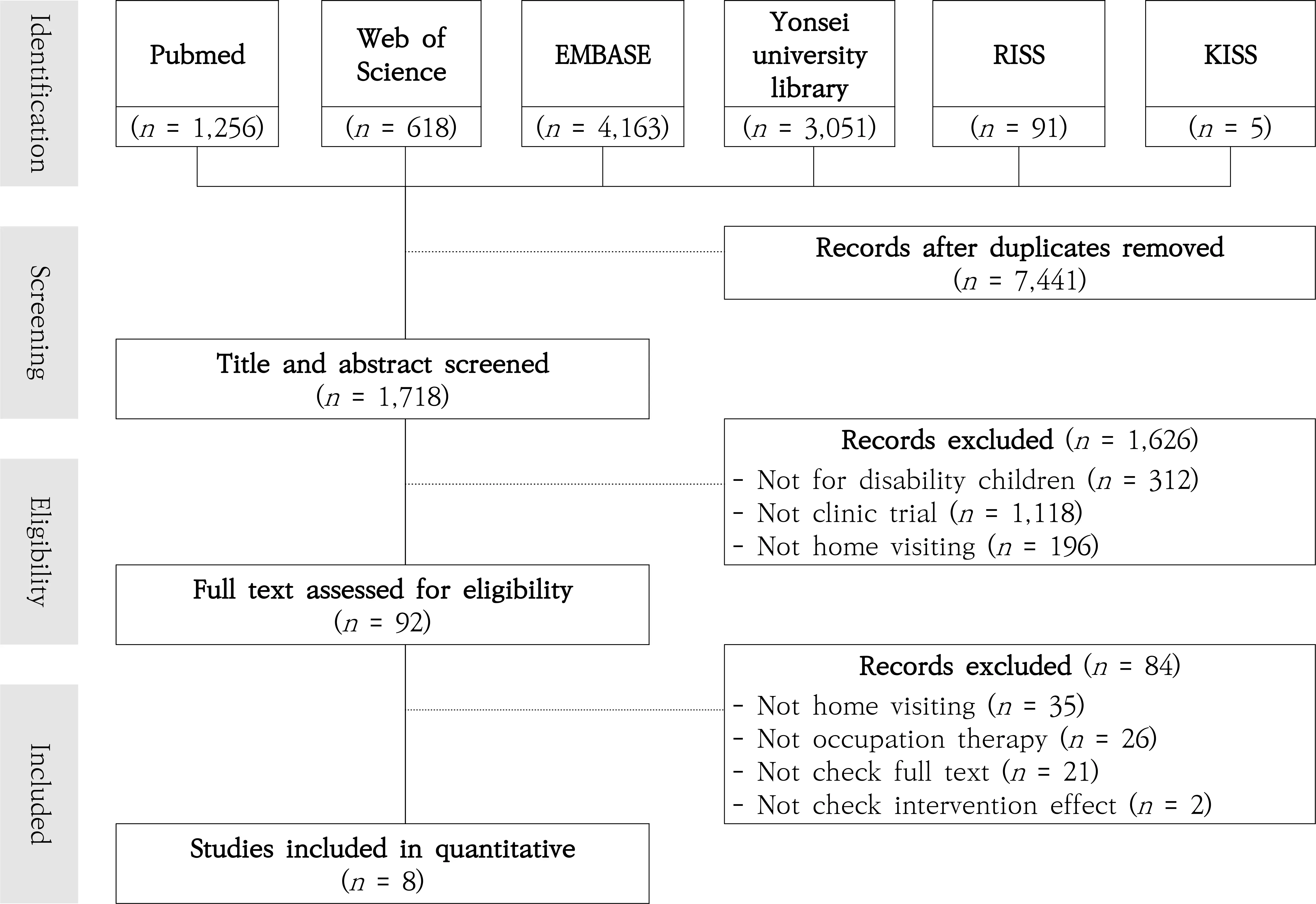 Figure 1.PRISMA Flowchart of the Search Process
3.선정 연구의 질적 수준
본 연구는 최종 선정된 8편의 문헌에 대한 질적 수준을 평가하기 위해 [Arbesman 등(2008)]이 개발한 근거 수준 5단계(hierarchy of level of evidence for evidencebased practice) 분석모델을 적용하였다. 본 모델은 Level I이 가장 높은 근거 수준을, Level V가 가장 낮은 근거 수준을 의미한다. Level I은 체계적 고찰, 메타분 석, 무작위 대조군 실험연구를 포함하며, Level II는 두 집단 비무작위 연구, Level III는 단일 집단 비무작위 연 구, Level IV에는 단일 실험연구 또는 조사연구, Level V는 사례연구, 서술적 고찰, 질적 연구가 해당한다.
4.비뚤림 위험도
본 연구는 비뚤림 위험 정도를 평가하기 위해, 무작위 대조군 실험연구에는 Cochrane group에서 개발한 Risk of Bias (RoB)를 사용하였고, 비무작위 연구에는 Risk of Bias Assessment tool for Non-randomized Study (RoBANS)를 각각 적용하였으며, 결과는 그래프와 표를 통해 시각적으로 제시하였다([Kim et al., 2011]).
RoB는 무작위 배정순서 생성(random sequence generation), 배정순서 은폐(allocation concealment), 연구 참가자와 연구자에 대한 눈가림(blinding of participants and personnel), 결과 평가자에 대한 눈가림 (blinding of outcome assessment), 불완전한 결과자료 (incomplete outcome data), 선택적 결과 보고(selective reporting), 그 외 잠재적 비뚤림(other bias)의 총 7가 지 평가 영역으로 구성되며, 각 항목은 높음(high risk of bias), 불확실함(unclear risk of bias), 낮음(low risk of bias)의 3단계로 평가되었다.
ROBANS는 대상군 선정(selection of participants), 교란변수(confounding variables), 중재에 대한 측정 (measurement of intervention exposure), 결과 평가 눈가림(blinding for outcome assessment), 불완전한 자료, 선택적 결과 보고의 총 6가지 평가 영역으로 구성되 며, 각 항목은 높음, 불확실함, 낮음의 3단계로 평가되었다.
5.분석내용
본 연구는 최종 선정된 8편을 연구의 질적 수준, 대상 자의 일반적 특성, 중재 유형 및 방법, 중재 효과, 평가도 구 순으로 정리하였다. 또한, 각 문헌의 특성은 PICO 형식에 따라 체계적으로 제시하였다.
III.연구 결과
1.선정 연구의 질적 수준
최종 선정된 8편의 문헌에 대한 질적 수준을 분석한 결과, Level IV에 해당하는 연구가 4편(50.00%)으로 가 장 높은 비율을 차지하였으며, 다음으로 Level I은 3편 (37.50%), Level III 1편(12.50%)이 나타났다. Level II 와 Level V에 해당하는 연구는 없었다(Table 1).
| Evidence level | Definition | n (%) |
|---|---|---|
| I | Systematic review | 3 (37.50) |
| Meta-analysis | ||
| Randomized controlled trials | ||
| II | Two group non-randomized studies | 0 (0.00) |
| III | One group non-randomized studies | 1 (12.50) |
| IV | Single experimental studies | 4 (50.00) |
| Survey studies | ||
| V | Case studies | 0 (0.00) |
| Descriptive review | ||
| Qualitative studies |
2.비뚤림 위험평가 결과
최종 선정된 8편의 논문은 한국보건의료연구원의 NECA 체계적 문헌고찰 매뉴얼에 따라 비뚤림 위험 평가를 실시 하였으며, 무작위 대조군 실험연구 3편에는 RoB를, 비 무작위 연구 5편에는 RoBANS를 적용하였다.
RoB 분석 결과, 무작위 배정순서 생성, 선택적 결과보 고, 그 외 비뚤림 항목에서는 3편 모두 낮은 비뚤림 위험 으로 평가되었다. 배정순서 은폐 항목에서는 2편이 낮은 비뚤림 위험, 나머지 1편은 불확실한 비뚤림 위험으로 평가되었다. 결과평가에 대한 눈가림과 불완전한 결과자 료 항목에서는 각각 2편이 낮은 비뚤림 위험, 나머지 1편 이 높은 비뚤림 위험으로 평가되었다. 마지막으로 연구 참가자와 연구자에 대한 눈가림 항목에서는 3편 모두 높 은 비뚤림 위험으로 평가되었다(Figure 2).
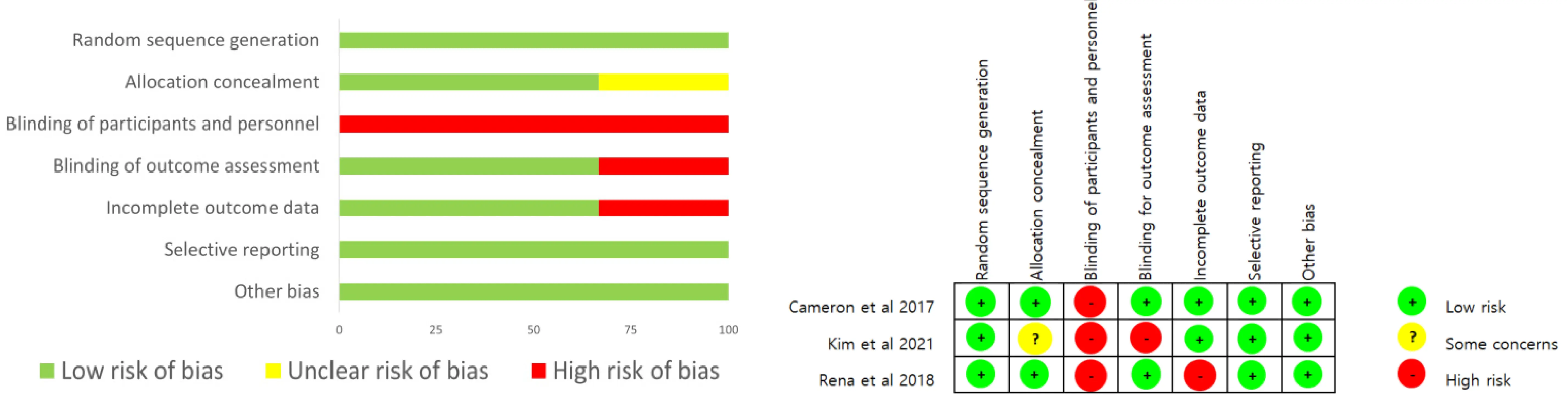 Figure 2.Randomized Controlled Experimental Bias Risk Asssessment (RoB)
RoBANS 분석 결과, 대상군 선정, 불완전한 자료, 선 택적 결과보고 항목에서는 5편 모두 낮은 비뚤림 위험으 로 평가되었다. 중재(노출) 측정과 결과 평가에 대한 눈가 림 항목에서는 각각 1편이 낮은 비뚤림 위험, 나머지 2편 은 높은 비뚤림 위험으로 평가되었다. 마지막으로 교란 변수 항목에서는 5편 모두 높은 비뚤림 위험으로 평가되 었다(Figure 3).
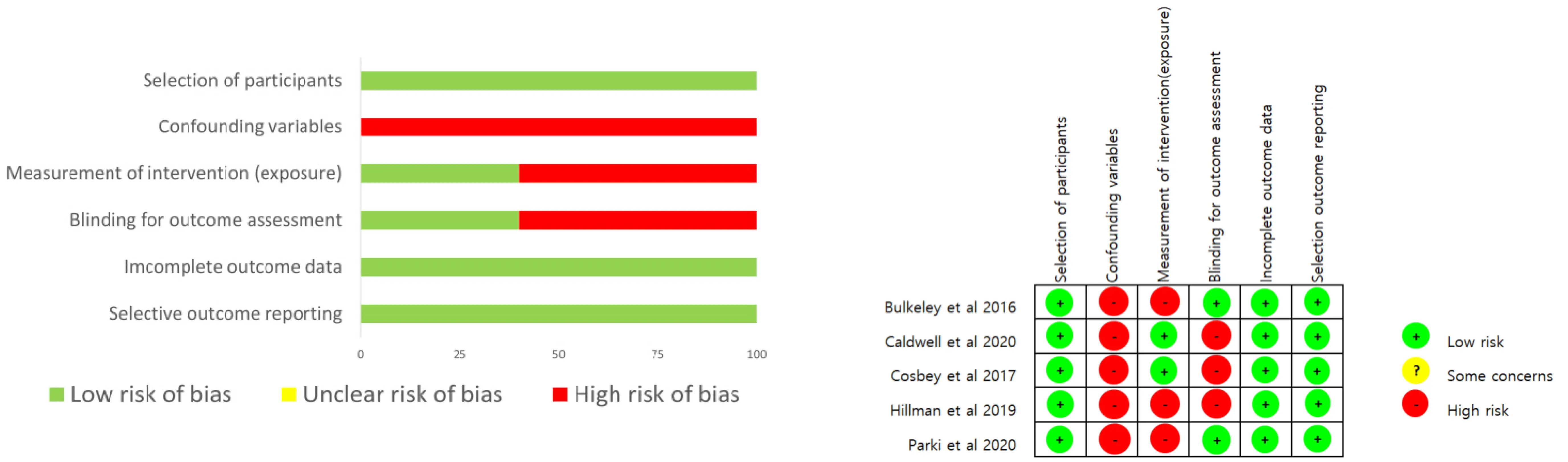 Figure 3.Non-Randomized Studies Bias Risk Asssessment (RoBANS)
3.대상자의 일반적 특징
가정방문 작업치료를 적용한 아동과 가족을 두 가지 유형으로 분류하였고, 하위영역별 중복을 허용하여 빈도 수를 분석하였다(Table 2). 대상자의 진단명으로는 자폐 스펙트럼 장애를 대상으로 한 연구가 5편(62.50%)으로 가장 많았으며, 다음으로는 뇌성마비가 2편(25.00%), 감 각 방어가 1편(12.50%)으로 확인되었다. 성별에서는 모 든 연구에서 남자 아동이 포함되었으며, 여자 아동은 6편 (75.00%)의 연구에 참여한 것으로 나타났다. 연령은 3~5세 아동을 대상으로 한 연구가 4편(50.00%)으로 가장 많았고, 0~2세가 3편(37.50%), 6세 이상은 2편(25.00%) 이었다. 가족 구성원 중에서는 어머니가 중재에 참여한 연구가 5편(62.50%)으로 가장 많았으며, 아버지와 할머 니가 참여한 연구는 각각 2편(25.00%)이었고, 나머지 3 편(37.50%)의 연구에서는 정보가 보고되지 않았다.
| Classification | n (%) | ||
|---|---|---|---|
| Children | Diagnosis | Autism spectrum disorder | 5 (62.50) |
| Cerebral palsy | 2 (25.00) | ||
| Sensory defensiveness | 1 (12.50) | ||
| Sex | Male | 8 (100.00) | |
| Female | 6 (75.00) | ||
| Age | 0~2yr | 3 (37.50) | |
| 3~5yr | 4 (50.00) | ||
| 6yr~ | 2 (25.00) | ||
| Family | Caregivers | Mother | 5 (62.50) |
| Father | 2 (25.00) | ||
| Grandmother | 2 (25.00) | ||
| Not reported | 3 (37.50) | ||
4.가정방문 작업치료의 중재 유형 및 방법
가정방문 작업치료에 적용된 중재는 총 다섯 가지 유 형으로 분류되었으며, 가족 중심 접근과 아동 중심 접근 으로 구분되었다(Table 3). 가족 중심 접근에서는 섭식 및 식사 코칭이 3편(37.50%)으로 가장 많았으며, 감각 기반 상담이 2편(25.00%), 사회적 상호작용 기술 훈련 이 1편(12.50%)으로 나타났다. 아동 중심 접근에서는 운동 기술 프로그램과 일상생활 활동 중재가 각각 1편 (12.50%)으로 확인되었다.
| Methods | Types | n (%) |
|---|---|---|
| Family-centered | Eating and feeding coaching | 3 (37.50) |
| Sensory-based counseling | 2 (25.00) | |
| Social interaction skills training | 1 (12.50) | |
| Child-centered | Motor skills programs | 1 (12.50) |
| Activities of daily living intervention | 1 (12.50) |
5.가정방문 작업치료의 중재 효과
가정방문 작업치료 중재 중 섭식 및 식사 코칭은 아동 의 음식 수용도와 섭취량, 식사 시간 동안의 행동, 보호자 의 식사 시간 내 전략 사용과 문제 인식을 모두 향상시켰 다([Caldwell et al., 2020]; [Cosbey & Muldoon, 2017]; [Hillman, 2019]). 특히 [Caldwell 등(2020)]과 [Cosbey와Muldoon (2017)]의 연구에서는 보호자의 식사 시간 내 의 행동 전략이 통계적으로 유의미하게 향상되었다. 다 음으로 감각 기반 상담과 관련하여, [Kim 등(2021)]의 연 구에서는 실험군에 감각통합 기반의 가족 중심 코칭 훈련 을 제공하고, 대조군에는 감각 기반 목표를 위한 상담만 을 제공하였다. 두 중재 모두 작업 수행도 및 만족도, 아동 의 개별 목표 달성에서 통계적으로 유의미한 향상을 나타 냈으며, 특히 가정방문과 함께 감각통합 기반 코칭 훈련 을 제공한 실험군에서 더 높은 효과가 나타났다. [Bulkeley 등(2016)]의 연구에서도 감각 기반 접근을 활용한 코칭 중재가 제공되었으며, 이를 통해 문제행동과 감각 방어 증상의 감소가 나타났으나, 통계적으로 유의미한 향상은 보이지 않았다. 이 외에는 [Park 등(2020)]은 가정환경 수 정과 사회적 상호작용 기술 훈련을 적용하여 아동의 자폐 스펙트럼 장애 증상이 개선되었고, 바라보기, 몸짓 사용 하기, 말하기를 포함한 사회적 상호작용의 질을 향상시 켰다. [Chamudot 등(2018)]은 운동 기술 프로그램을 적용 하여, 실험군과 대조군에 각각 수정된 강제 유도 운동치 료(mCIMT; Constraint-Induced Movement Therapy modified version)과 양손 치료(BIM; Bimanual Therapy) 를 제공하였다. 그 결과, 편측 및 양측 손 기능에서는 두 중재 모두에서 통계적으로 유의미한 향상이 나타났으나, 대근육 운동 능력에서는 기능적 향상은 관찰되었지만 유의미한 결과는 나타나지 않았고, 두 중재 간 효과 차이 도 유의미하지 않았다. 마지막으로 [Cameron 등(2017)] 은 실험군에만 인지 기반 작업수행(CO-OP; Cognitive Orientation to daily Occupational Performance) 을 활용한 일상생활활동 중재를 적용한 결과, 작업 수행 도 및 만족도, 작업 역량에서 통계적으로 유의미한 향상 이 나타났으며, 자가 보고에서도 긍정적인 반응의 빈도가 증가하여 대조군에 비해 더 높은 효과를 보였다(Table 4).
| No. | Author (yr) | Design | Participants | Intervention | Comparison | Outcome | |||||
|---|---|---|---|---|---|---|---|---|---|---|---|
| Diagnosis | Age (yrs) | Experimental | Duration | Sessions | Measurement | Dependent variable | Results | ||||
| 1 | [Kim et al. (2021)] | Randomized control trials | ASD (n = 10) | 3~6 | Family-centered coaching training (n = 5) (SI based home visiting) |
1mon./1per week(1h) | 4 | Counseling (n = 5) (SI based counseling for goal) |
COPM GAS | Occupation performance, occupation satisfaction, goal attainment | Coaching > Counseling (p = SSD) Occupation Performance/Satisfaction ↑ (+)* Individual goal attainment (+)* |
| 2 | [Park et al. (2020)] | ABA design | ASD (n = 3) | 2~3 | Family-centered early intervention program (Home environmental modification + Social Interaction skills training) | 1.5mon./2per week | 12 | NA | M-CHAT-R/F ESI |
ASD symptoms, Social interaction skills | ASD symptoms ↓(+) Quality of social interaction skills (looks, gesticulates, produces speech) ↑(+) |
| 3 | [Caldwell et al. (2020)] | Non-randomized one group studies | Sensory food aversion (n = 20) | 1.6~5 | Mealtime PREP (Family meal behavior management) | 1.5mon./1per week | 4~6 | NA | BPFAS Strategy checklist | Child mealtime behavior, Parents strategy use, Parents identified mealtime problems | Child mealtime behavior ↓ (+)* Parents strategy utilization ↑ (+)* Parents identified mealtime problems ↓ (+)* |
| 4 | [Hillman (2019)] | Multiple baseline design | ASD (n = 3) | 3-4 | VM + Reinf (Table, plate with the target food) | 1mon./4per week | 16 | NA | Food acceptance Food consumption |
Food acceptance, Food consumption |
Food Acceptance/Consumption ↑(+) |
| 5 | [Chamudot et al. (2018)] | Randomized control trials | Spastic hemiplegic CP (n = 33) | 11.1±2.2mo | mCIMT (n = 17) (Use custom-made mitt+ Using unilateral hand) |
2mon./7per week (1h) | 56 | BIM (n = 16) (Use of both hands symmetrically and asymmetrically activity) |
Mini-AHA FI DMQ |
Gross motor function, hand function | mCIMT > BIM (p = NSD) Affected hand use ↑(+)* Unilateral/Bilateral hand use ↑(+)* Gross motor skill ↑(+)* |
| 6 | [Cosbey & Muldoon (2017)] | Multiple baseline design | ASD (n = 3) | 2~9 | EAT-UP™ Family-centered feeding intervention (Coaching a meal/snack time) |
5mon./2~3per week | 9~21 | NA | BAMBI BPFAS FFQ 24-H food recall |
Food acceptance, dietary diversity, problem behaviors, |
Dietary acceptance ↑(+)* Food diversity ↑(+) Child mealtime behaviors ↓(+) Parent behaviors performance ↑(+)* Parents feeling/behaviors ↓(+) |
| 7 | [Cameron et al. (2017)] | Randomized control trials | CP (n = 18) | 7-12 | CO-OP (n = 9) (Activities of daily living) |
2.5mon./1per week | 10 | CUPA (n = 9) | COPM PQRS ASK Self-efficacy Probe |
Occupation prformance, occupation satisfaction, performance skills, occupation capability, self-efficacy |
CO-OP > CUPA (p = SSD) Occupation Performance/satisfaction ↑(+)* Rate performance of target skills ↑(+) Occupation capability ↑(+)* Frequency of positive self-statement ↑(+) |
| 8 | [Bulkeley et al. (2016)] | ABA design | ASD (n = 3) | 3~5 | Family-centered coaching (sensory-based approach) | 1~1.5mon./1per week (1h) | 4 | NA | VAS ITSP |
Problem behavior, sensory defensiveness |
Perceptions of the behavior ↓(+) Sensory defensiveness symptom ↓(+) |
6.가정방문 작업치료의 평가도구
가정방문 작업치료의 중재 효과를 확인하기 위해 사용 된 평가도구는 총 18가지로 확인되었으며, 총 8개 영역 으로 분류되었다(Table 5). 섭식 및 식사 영역에서 사용 된 평가도구가 5가지(27.80%)로 가장 많았고, 다음으 로 일상생활활동과 관련된 작업 수행 평가도구가 4가 지(22.20%), 문제 및 적응 행동 평가도구가 3가지(16.70%), 대근육 및 소근육 운동 평가도구가 2가지(11.10%)로 나 타났다. 또한, 감각, 사회성, 자기효능감, 장애 증상을 평 가한 도구는 각각 1가지(5.60%)씩 사용되었다. 개별 평 가도구의 사용 빈도를 기준으로 보면, 캐나다 작업수행 측정(Canadian Occupational Performance Measure: COPM)과 아동 섭식평가 척도(Behavioral Pediatrics Feeding Assessment Scale: BPFAS)가 각각 2편(10.00%) 에서 사용되어 가장 높은 빈도를 보였으며, 그 외의 평가 도구는 모두 1편(5.00%)에서 적용되었다.
| Assessment tool | n (%) | |
|---|---|---|
| Eating & Feeding (5) | FFQ | 1 (5.00) |
| 24-H food recall | 1 (5.00) | |
| BAMBI | 1 (5.00) | |
| Food acceptance | 1 (5.00) | |
| Food consumption | 1 (5.00) | |
| Occupation Performance (4) | COPM | 2 (10.00) |
| PQRS | 1 (5.00) | |
| ASK | 1 (5.00) | |
| GAS | 1 (5.00) | |
| Behaviors (3) | BPFAS | 2 (10.00) |
| VAS | 1 (5.00) | |
| DMQ | 1 (5.00) | |
| Motor (2) | Mini-AHA | 1 (5.00) |
| FI | 1 (5.00) | |
| Sensory (1) | ITSP | 1 (5.00) |
| Sociability (1) | ESI | 1 (5.00) |
| Self-efficacy (1) | Self-efficacy probe | 1 (5.00) |
| Disability symptom (1) | M-CHAT-R/F | 1 (5.00) |
IV.고 찰
본 연구는 장애 아동을 대상으로 한 가정방문 작업치 료에 대한 체계적 고찰을 통해, 현재 시행되고 있는 중재 의 전반적인 경향을 파악하고 그 효과를 검토함으로써, 임상적 근거 기반의 중재 제공을 위한 기초자료를 마련하 고자 하였다. 이를 위해 국내외 학회지에 게재된 최종 8편의 문헌을 질적 수준, 비뚤림 위험 평가, 대상자의 일반적 특성, 중재의 종류 및 방법, 중재 효과, 평가도구 에 대해 체계적으로 분석하였다.
본 연구에 선정된 문헌의 질적 수준을 분석한 결과, Level IV에 해당하는 단일 실험 연구가 전체 문헌의 50% 로 가장 높은 비율을 차지하였다. 이에 따라 각 연구의 신뢰성을 보다 면밀히 평가하고자 비뚤림 위험 평가를 진행하였으며, 전반적으로는 낮은 비뚤림을 보였지만 중 재 및 결과 측정과 관련된 눈가림과 혼란변수 통제의 어 려움으로 인해 일부 항목에서는 높은 비뚤림 위험이 확인 되어, 결과 해석 시 주의가 필요하다([Kim et al., 2011]). 한편, 노인의 가정방문 작업치료에 대해 체계적으로 고 찰한 [Woo와 Kim (2019)]의 연구에서는 선정된 모든 문 헌이 가장 높은 수준인 무작위 대조군 실험연구로 구성되 어, 본 연구 결과와는 차이를 보였다. 장애 아동을 대상으 로 한 가정방문 작업치료 연구는 대부분 소규모 표본에 기반한 낮은 수준의 연구설계로 수행되었으며, 향후 중 재 효과의 객관성 및 타당성을 확보하기 위해 보다 엄격 하고 체계적인 연구 수행이 필요하다.
가정방문 작업치료에 참여한 대상자의 일반적 특성을 분석한 결과, 아동의 연령 범위는 영아기부터 학령기까 지로 다양했으며, 진단은 자폐 스펙트럼 장애, 뇌성마비, 감각방어로 한정되어 있었다. 이 중에서도 자폐 스펙트 럼 장애를 진단받은 아동이 62.50%로 가장 높은 비중을 차지하였다. 장애 아동을 위한 소아 작업치료 중재를 분 석한 [Novak과 Honan (2019)]의 연구에 따르면, 가정방 문을 포함한 중재는 단 2편에 불과하였고, 모두 뇌성마비 및 지적장애 아동만을 대상으로 이루어졌다. 이는 최근 가정방문 작업치료 연구의 편수가 점차 증가하고, 적용 대상 또한 다양한 장애 유형으로 확대되고 있으며, 특히 자폐 스펙트럼 장애 아동에 대한 임상적 관심과 개입이 두드러지고 있음을 시사한다.
가정방문 작업치료의 중재 방법을 분석한 결과, 아동 에게 직접 중재를 적용하기보다는 가족에게 간접적으로 중재를 제공하는 방법이 더 빈번하게 활용된 것으로 나타 났다. 이러한 접근은 병원 기반의 작업치료와 달리, 치료 사가 아동에게 친숙하고 자연스러운 일상생활 환경에서 나타나는 어려움을 직접 관찰하고, 이를 바탕으로 중재 전략을 구성하여 아동뿐만 아니라 가족까지 중재의 대상 으로 포함시킨다는 점에서 뚜렷한 강점을 지닌다([Coninck et al., 2017]; [Lim, 2020]). 선행 연구에서는 가정에서 아동과 가장 많은 시간을 보내는 주 양육자가 치료사의 역할을 일정 부분 수행함으로써, 아동의 적응력과 발달 잠재력을 향상시키고, 나아가 중재 효과의 지속성이 높 아질 수 있음이 보고되었다([Kim & Park, 2017]; [Park & Oh, 2021]). 특히, 치료사가 직접 개입하지 않는 상황에 서도 가족이 아동과 지속적인 상호작용을 수행할 수 있기 때문에, 가정방문 중재에서 가족은 단순한 협력자를 넘 어 중재 수행의 주체로서 그 역할의 중요성이 강조된다.
가정방문 작업치료의 중재 종류를 분석한 결과, 섭식 및 식사 코칭이 3편(37.50%)으로 가장 높은 빈도로 적용 되었다. 이는 식사 준비부터 마무리까지의 전 과정 동안 아동의 어려움을 관찰하고 가족과의 원활한 식사를 목표 로 중재를 제공하였으며, 그 결과 식사 시간 중 문제행동 은 감소하고 음식 수용성과 섭취 다양성이 증가한 것으로 보고되었다. 이러한 접근을 반영한 여러 선행연구에서 도, 가정 연계 과제를 통해 음식 거부 행동이 감소하고, 이전에 거부하던 음식에 대한 섭취 시도가 증가하며, 가족 과의 원활한 식사가 가능해졌다고 보고되어, 본 연구 결과 와 일치함을 확인하였다([Choi & Kim, 2020]; [Gándara Gafo et al., 2021]). 또한, 섭식 문제는 여러 환경 중 약 47%가 가정에서 발생하는 것으로 나타났으며, 중재의 일관성과 지속성을 확보하기 위해서는 가정 내에서의 연 속적인 중재 접근의 필요성을 뒷받침하고 있다([Cermak et al., 2010]; [Min et al., 2023]).
다음으로 두 번째로 높은 빈도로 적용된 감각 기반 상 담은 감각 처리 능력에 따라 환경을 수정하거나 불쾌한 감각을 최소화할 수 있는 활동 중심의 중재를 제공하였 다. 이에 따라 감각 조절 능력이 향상되고, 양치질, 머리 말리기, 수면, 가족과의 놀이 등 일상생활 속 작업 수행도 와 만족도가 증가한 것으로 나타났다. 또한, 여러 선행연 구에서도 임상적 환경과 유사하게 조성된 가정 내에서 조절된 감각 경험을 제공했을 때, 치료 효과가 극대화되 며, 일반화 가능성을 높이는데 효과적이라는 것을 보고 하였다([Lee & Kim, 2007]; [Li et al., 2009]; [Woo et al., 2015]). 이러한 근거들을 종합해 볼 때, 장애 아동의 활동 참여는 가정 내의 사회적 및 물리적 환경으로부터 직접적인 영향을 받으며, 이는 효과적인 가정방문 중재 를 제공하기 위해 고려되어야 하는 요소임을 시사한다 ([Cho & Jeon, 2009]; [Lee & Kim, 2007]).
가정방문 작업치료의 중재 효과를 측정한 평가도구를 분석한 결과, 작업 수행 영역과 섭식 및 식사 영역이 가장 많이 활용된 것으로 나타났다. 작업 수행 영역에서는 캐 나다 작업수행 측정이 가장 빈번하게 사용되었으며, 이 는 클라이언트 중심 접근에서 의미 있는 작업 활동의 성 과를 측정할 수 있는 표준화된 도구로, 본 연구에서 분석 한 논문들이 아동의 개별 작업 목표를 중심으로 중재를 구성하였다는 점에서 적절하게 활용된 것으로 해석된다 ([Kessler & Graham, 2015]; [Law et al., 2014]). 다음으 로, 섭식 및 식사는 비표준화된 평가도구의 사용이 많았 으며, 주로 치료사가 아동의 식사 과정을 직접 관찰하는 방법이 활용되었다. 이는 섭식 관련 평가도구가 다른 작 업치료 영역에 비해 표준화된 측정 도구가 상대적으로 부족하다는 현실을 반영한 결과로 해석되며, 향후 신뢰 도와 타당도를 갖춘 평가도구 개발이 필요함을 시사한다 ([Min & Choi, 2021]).
본 연구에서 가정방문 작업치료를 체계적으로 고찰한 결과, 장애 아동뿐만 아니라 보호자에게도 긍정적인 효과 가 있음을 확인했지만, 다음과 같은 제한점이 있다. 첫째, 본 연구는 분석에 포함된 문헌의 수가 비교적 적어, 중재 의 효과를 일반화하는데 어려움이 있다. 둘째, 장애 아동 이라는 포괄적 범주 안에 발달장애, 뇌병변장애 등 다양 한 진단군이 포함되어 있어, 진단 특성에 따른 세분화된 결과를 제시하는데 한계가 있다. 셋째, 중재 및 결과 측정 과 관련된 눈가림 시행의 미흡과 혼란변수 통제의 어려움 으로 인해 일부 항목에서 높은 비뚤림 위험이 확인되었으 며, 결과 해석 시 주의가 요구된다.
최근에는 지역사회 기반 통합 돌봄 확대와 함께, 재활 서비스의 접근성 격차를 해소하기 위한 방문재활에 대한 사회적 관심이 증가하고 있으며, 대상자 범위도 전체 장 애인으로 확대됨에 따라 작업치료에서도 이를 임상 현장 에 적용하려는 시도가 활발히 이루어지고 있다([Hong et al., 2024]; [Kim et al., 2024]). 이에 따라, 가정방문 작업 치료의 효과성을 뒷받침할 수 있는 근거를 마련하기 위 해, 향후에는 보다 다양한 장애 유형과 발달 특성을 반영 한 중재에 대한 실증적 검증이 필요하다. 그럼에도 불구 하고, 본 연구는 장애 아동을 중점으로 가정환경 기반에서 작업치료사가 실제로 시행하는 중재 유형과 방법을 체계 적으로 분석함으로써 임상 현장에서의 적용 가능성을 확 인할 수 있는 근거를 제시했다는 점에서 의의가 있다.
V.결 론
본 연구에서는 최근 10년간 게재된 국내외 문헌 8편 을 대상으로, 장애 아동을 위한 가정방문 작업치료의 대 상자, 중재 방법 및 유형, 중재 효과, 평가도구를 체계적 으로 고찰하였다. 가정방문 작업치료의 대상자는 영유아 부터 학령기 아동까지 다양한 연령에 걸쳐 있었으며, 진 단군은 자폐 스펙트럼 장애 아동이 가장 높은 비율을 차 지하였다. 중재 방법은 섭식 및 식사 코칭과 감각 기반 상담이 가장 많이 활용되었으며, 이를 통해 양치질, 수면 등의 자조활동에서의 작업 수행도 향상과 음식 수용도와 섭취량 증가 등 섭식 및 식사 관련 긍정적인 변화가 확인 되었으며, 이외에도 행동, 운동, 감각 등의 영역에서도 효과가 나타났다. 중재 효과를 평가하기 위해 사용된 도 구는 캐나다 작업수행 측정과 아동 섭식 평가 척도가 가장 빈번하게 사용되었다. 본 연구는 가정방문 작업치료의 임상적 유용성과 필요성에 대한 근거를 제공하며, 향후 장애 아동을 대상으로 한 가정방문 작업치료의 정책적 및 제도적 확산을 위한 기초자료로 활용될 수 있을 것으 로 기대된다.