
Journal Information
Article Information
웰다잉 지원체계 구축을 위한 작업치료사의 역할 정립에 관한 소고
Author Information
Introduction: Dying well refers to the process of preparing for death while preserving one’s dignity and personal values. In South Korea, public interest is increasing and relevant policies are emerging. However, the existing services are largely limited to terminal patients and older adults, and interdisciplinary collaboration remains insufficient. To date, the role of occupational therapists has not yet been clearly defined at the institutional level. This study aimed to define the role of occupational therapists in the development of a well-dying support system.
Subject: This study examined the current status of South Korea’s well-dying support system and reviewed international cases to explore the possible roles of occupational therapists. Based on this analysis, service recipients were classified by life stage and stage-specific intervention strategies were developed. These strategies emphasize meaningful occupational engagement, functional maintenance, emotional stabilization, and caregiver support, with detailed approaches provided at each stage.
Conclusion: This study examined the potential involvement of occupational therapists in a well-dying support system by presenting classification guidelines and stage-specific intervention strategies. It sought to explore directions for establishing their roles and professional identity and is expected to serve as foundational data for building institutional participation and informing future policy and service development.
서론: 웰다잉은 인간이 삶의 마지막 순간까지 존엄성과 가치를 유지하며 죽음을 준비하는 과정으로, 최근에는 이를 삶의 일부로 받아들이고 능동적으로 준비하려는 인식이 점차 확산되고 있다. 국내에서도 관련 제도와 정책이 마련되며 웰다잉 지원에 대한 관심이 높아지고 있으나, 제공되는 서비스의 대상은 임종기 환자나 노인에 국한되는 경향이 있고, 다양한 전문 직종 간 협업 체계 역시 미비한 실정이다. 특히 작업치료사의 역할은 제도적 차원에서 명확히 정립되지 않은 상태이다. 이에 본 연구는 국내 웰다잉 지원체계 구축을 위한 작업치료사의 역할 정립에 기여하고자 하였다.
본론: 본 연구는 국내 웰다잉 지원체계의 현황을 살펴보고, 주요 해외 국가의 사례를 통해 웰다잉 체계 내에서 작업치료사의 역할과 개입 가능성을 확인하였다. 이를 바탕으로 웰다잉 지원 대상자를 생애주기별로 분류하고 각 대상군의 특성과 변화에 적합한 중재 전략을 단계적으로 구성하였다. 각 단계에서는 의미 있는 작업 수행, 기능 유지, 정서적 안정, 보호자 지원 등을 중심으로, 작업치료사가 수행할 수 있는 세부 실행 방안을 구성하여 제안하였다.
결론: 본 연구는 작업치료사의 웰다잉 지원체계 내 개입 가능성을 탐색하고, 이를 구조화하기 위한 대상자 분류 지침과 단계별 개입 전략을 제시하였다. 이를 통해 웰다잉 지원체계에서 작업치료사의 역할과 전문성이 정립되어야 할 방향을 모색하고자 하였으며, 향후 국내 웰다잉 지원체계 구축 과정에서 작업치료사의 제도적 참여 기반을 마련하는 데 기초자료로 활용될 수 있을 것으로 기대된다.
I.서 론
사회 전반에 걸쳐 삶의 질에 대한 관심이 높아짐에 따 라 웰빙(Well-being)에 대한 논의가 활발히 이루어졌으 며, 이러한 흐름은 죽음을 삶의 일부분으로 인식하고 이 를 준비하려는 웰다잉(Well-dying)에 대한 관심으로 이 어지고 있다([조용기, 2016]; [K. A. Kim, 2023]). 웰다잉 이란 단순히 죽음을 수동적으로 받아들이는 것을 넘어, 자신의 존엄성과 삶의 가치를 유지한 채 죽음을 능동적으 로 준비하는 과정을 의미한다([Min & Cho, 2017]). 이와 관련하여, 선행연구에서는 사람은 누구나 죽음을 맞이하 게 되지만 그 시점과 방식을 예측할 수 없다는 점에서, 웰다잉에 대한 전생애적 준비의 필요성을 강조하고 있다 ([Asatsa, 2020]; [Kim et al., 2020]). 웰다잉은 모든 사람이 삶의 과정 속에서 준비해야 할 보편적 과업으로 점차 인 식되고 있으며, 영국, 일본, 독일, 대만 등 주요 국가들은 호스피스(hospice), 생애말기 돌봄(end-of-life care), 완화의료(palliative care), 사전연명의료계획 등을 포 함한 제도를 마련하여 웰다잉을 지원하기 위한 제도적 기반을 구축하고 있다([Kim et al., 2020]; [Kim & Park, 2020]).
이러한 흐름에 발맞추어, 우리나라에서도 제도적 차원 에서 웰다잉 지원에 대한 논의와 정책 수립이 지속적으로 추진되고 있다([K. A. Kim, 2023]). 그 일환으로 2016년 에는 「호스피스·완화의료 및 임종과정에 있는 환자의 연명의료결정에 관한 법률」이 제정되었으며, 2023년에 는 개정이 이루어졌다([법제처, 2023]). 해당 법률은 5년 마다 호스피스·연명의료 종합계획을 수립하도록 규정 하고 있으며, 이에 따라 2019년에는 제1차 종합계획이, 2024년에는 제2차 종합계획이 수립되었다([보건복지부, 2024]). 또한 서울특별시와 경기도를 비롯한 일부 지방자 치단체에서는 웰다잉 문화 조성을 위한 조례를 제정하고 있다([김춘남 등, 2022]; [황민섭 & 이민영, 2020]). 이러한 제도적 기반이 마련됨에 따라, 노인 복지관, 관련 협회, 종교단체 등에서는 죽음에 대한 인식 제고와 긍정적인 태도 형성을 위한 다양한 죽음 준비 프로그램을 운영하고 있으며([최은주, 2015]; [Chang et al., 2024]), 호스피스 등 연명의료를 시행하는 의료기관에서는 통증 및 증상 완화, 심리적·영적 지지 등을 위한 치료와 돌봄을 제공 하고 있다([보건복지부, 2024]; [Shin et al., 2024]).
그러나, 웰다잉을 지원하기 위한 다양한 서비스 제공 이 시도되고 있음에도 불구하고, 서비스는 특정 영역에 집중되어 있으며, 지원체계는 의사, 간호사, 사회복지사, 영적 돌봄 제공자를 중심으로 이루어지고 있고, 제공 대 상 역시 임종기 환자와 노인에게 국한되어 있는 것으로 나타났다([보건복지부, 2025]; [Kim et al., 2020]). 웰다잉 이 전생애적 관점에서 준비되어야 한다는 점을 고려할 때, 현재 국내의 지원체계는 생애 과정에 따라 변화하는 개인의 가치 및 활동을 충분히 반영하지 못하는 것으로 나타났으며, 이에 따라 생애주기별로 죽음을 단계적으로 준비할 수 있는 맞춤형 지원 방안이 포함된 웰다잉 지원 체계 구축의 필요성이 제기되고 있다([보건복지부, 2024]; [Shin et al., 2024]). 이를 위해서는 다양한 직역 간의 다학제적 접근이 요구되며([보건복지부, 2024]; [정경희 등, 2019]), 이러한 체계 속에서 작업치료사는 개인의 삶의 환경과 맥락을 반영한 클라이언트 중심의 웰다잉 지원을 수행할 수 있는 전문 인력으로 제안되고 있다([American Occupational Therapy Association [AOTA], 2011]; [Yeh & McColl, 2019]).
해외의 경우를 살펴보면, 미국, 캐나다, 영국 등 일부 국가에서는 웰다잉 지원체계 내에서 작업치료사가 의미 있는 활동의 탐색, 참여 전략 수립, 환경 수정, 보호자 교육 및 정서적 지지와 같은 다양한 중재를 통해, 클라이 언트가 남은 생애 동안 삶의 질을 유지하고 의미 있는 활동을 이어갈 수 있도록 지원하는 역할을 수행하고 있다 ([AOTA, 2023]; [Tavemark et al., 2019]). 이러한 작업 치료사의 역할은 일부 국가의 웰다잉 관련 지침과 정책 권고안에서 제시되고 있으며, 점차 제도 내 통합을 위한 노력이 이루어지고 있다([AOTA, 2023]; [Mueller et al., 2021]). 반면, 국내에서는 웰다잉 지원체계에서의 작업치 료사의 개입에 대한 논의가 미비하며([Kim et al., 2020]), 역할 정립 또한 이루어지지 않은 실정이다.
이에 본 논문은 첫째, 국내 웰다잉 지원체계의 법령과 정부 종합계획을 검토하여 현황을 알아보고, 둘째, 해외 정부 문서와 관련 보고서를 통해 국가별 제도적 틀과 핵 심 요소 및 작업치료사의 역할을 파악하며, 셋째, 이를 토대로 웰다잉 지원을 위한 작업치료 중재의 대상자 판단 지침과 단계별 전략을 제안함으로써 국내 웰다잉 지원체 계 구축을 위한 작업치료사의 역할 정립에 기여하고자 한다.
II.본 론
1.국내 웰다잉 지원체계 현황
우리나라의 웰다잉 지원체계 구축을 위한 정책적 논의 는 2016년 제정된 「호스피스·완화의료 및 임종과정에 있는 환자의 연명의료결정에 관한 법률」을 계기로 본격 화되었다([법제처, 2016]). 이후 2018년부터 2025년까지 총 6차례에 걸친 법령 개정을 통해 웰다잉 관련 국가 정 책이 지속적으로 논의되고 있다([법제처, 2025]). 이에 근 거하여 수립된 제1차 호스피스·연명의료 종합계획은 호스피스 접근성 완화 및 제도 정착을 목표로 하였으나, 종사자 역량 미흡, 지역사회 연계 부족 등의 한계가 지적 되었다([보건복지부, 2019]). 이에 2024년도에 후속으로 수립된 제2차 종합계획은 ‘누구나 삶의 존엄한 마무리를 보장받는 사회’를 비전으로 삼고, 맞춤형 서비스 제공, 인프라 확충, 국민 인식 제고 등을 핵심 목표로 설정하였 다([보건복지부, 2024]).
2.해외 웰다잉 지원체계 내 작업치료사의 역할
해외 주요국에서는 작업치료사를 웰다잉 지원체계 내 전문 인력으로 명시하고 있으며, 다양한 역할을 수행하 고 있는 것으로 나타났다. 각국의 지원체계 내용 및 작업 치료사의 역할을 중심으로 분석한 내용은 Table 1에 제 시하였다.
| Country | National framework | Key components | Role of occupational therapist |
|---|---|---|---|
| United States | • Medicare hospice benefit1 |
Symptom control and comfortoriented service delivery Interdisciplinary team coordination mandated Advance Care Planning (ACP) for Personalized care Bereavement services and caregiver support |
Symptom management Enhancement of participation in daily activities Maintenance of physical function |
| United Kingdom | • Ambitions for palliative and end of life care2 |
Personalized care planning Integrated multidisciplinary teams approach Focus on comfort and well-being Education and support palliative care workers Community-based bereavement and care resources |
Symptom management Support for function maintenance and daily activity Contribution to personalised care and goal-setting Home environment modification Education and support for caregivers and families Psychosocial and emotional supports4 |
| Canada | • Framework on palliative care in Canada3 |
Person and family centered care End-of-life and bereavement support Provision of caregiver support and education Integrated and holistic care delivery Evidence-based care for quality of life |
Support meaningful activity engagement Management of activities of daily living and mobility Assistive device provision and usage training Home environment modification Home environment assessment and community linkage5 |
3.웰다잉 지원을 위한 대상자 분류 지침
본 연구는 [김성아 등(2022)]의 「고립·은둔 청년 지원 사업 모형 개발 연구」에 제시된 정책 기반 프로세스 구성 방식을 참고하여, 작업치료 제공의 실효성을 높이기 위 해 웰다잉 적용 과정에서 고려해야 할 판단 기준을 설정 하고, 이를 반영하여 대상자 분류 지침을 도출하였다. 판 단 기준에는 웰다잉에 대한 관심 여부, 만성질환의 유무, 일상생활 활동 수행 수준, 임종 시점 여부가 포함된다 (Figure 1).
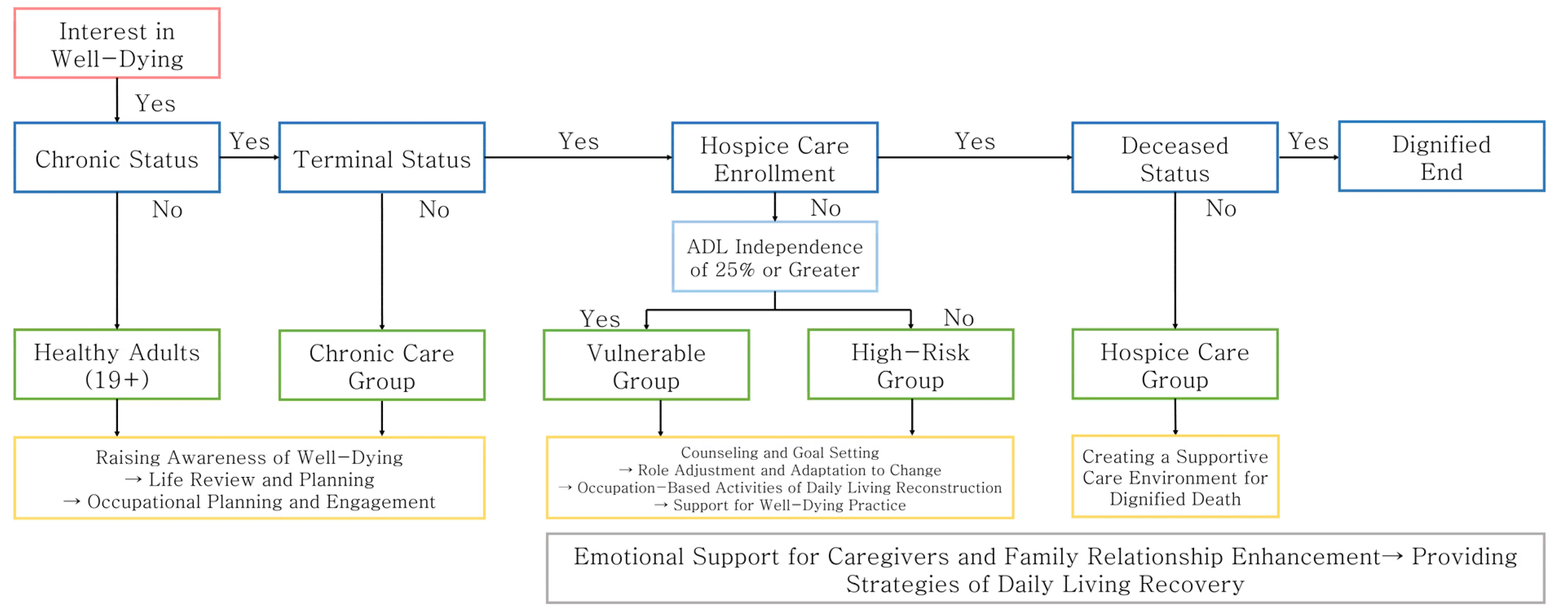 Figure 1.Well-Dying Occupational Therapy Support Recipient Decision Process
1)대상군별 조작적 정의
본 연구에서는 대상자의 건강 상태와 기능 수준, 질병 경과에 따라 총 6개의 대상군을 조작적으로 정의하였 다. 각 정의는 민법, 보건복지부 지침, 질병통제예방센터, [Granger 등(1986)]이 개발한 Functional Independence Measure (FIM) 점수, 선행연구 등을 근거로 구분하였으 며, 그 정의는 Table 2에 제시하였다.
| Target | Operational definition |
|---|---|
| Health adults (19+) |
A person who meets the legal age of majority [Article 4 of the Civil Act] and is capable of exercising self-determination1 A person without chronic illnesses and capable of performing daily activities independently |
| Chronic care group |
A person diagnosed with a chronic illness, (a health condition lasting more than one year, and requiring ongoing medical management2), but not with a terminal illness, (prognosis of a life expectancy of six months or less)3 |
| Vulnerable group |
Score of 2 or higher (maximal assistance) on the Functional Independence Measure (FIM)4 Diagnosed with a terminal illness, with partial capacity to contribute to daily activities |
| High-risk group |
Score of 1 (total assistance) on the Functional Independence Measure (FIM)4 Diagnosed with a terminal illness, requiring total assistance for daily activities |
| Hospice care group |
Final stage of life while admitted to a hospice, meeting the inpatient hospice eligibility criteria set by the Ministry of Health and Welfare5 (uncontrolled symptoms and need for continuous medical care) Includes cases where home-based care is no longer possible or appropriate |
| Caregiver group |
Individual in close relationship with the patient, experiencing high levels of negative emotions (e.g., stress, depression, anxiety, helplessness), actively involved in the hospice and palliative care process, and providing caregiving support6 |
2)대상자 분류 지침
1)웰다잉 관심 여부
대상자 분류의 시작점은 개인의 웰다잉에 대한 관심 유무이다. 웰다잉에 대한 관심이 확인되지 않는 경우에 는 이후 단계로의 진행이 보류되며, 관련된 지원도 제공 되지 않는다. 다만 웰다잉에 대한 관심 정도는 시간의 경과나 개인의 심리사회적 변화에 따라 달라질 수 있는 요소이므로, 추후 관심이 생긴 시점부터 절차를 다시 시 작할 수 있다. 관심이 확인된 대상자는 질병 상태, 기능 수준, 돌봄 환경 등을 종합적으로 고려하는 다음 분류 단계로 진입하게 된다.
2)만성질환 여부
해당 단계에서는 대상자의 만성질환 유무(암, 심혈관 질환 등)를 확인한다([조경숙, 2021]). 이는 해당 질환이 시한부 여부에 대한 추가적인 판단이 필요한 상태인지, 혹은 건강 유지와 죽음에 대한 인식 제고를 중재의 주요 목표로 삼을 수 있는지를 구분하기 위한 기준이다. 만성 질환이 없는 경우에는 질병 위험도가 낮은 집단군으로 분류되며, ‘19세 이상 건강군’으로 명명한다. 이 집단군 은 건강 상태는 양호하지만, 웰다잉에 대한 인식을 형성 하고 준비를 고려할 수 있는 시점에 도달한 성인을 포함 한다. 해당 집단군에는 ‘웰다잉 인식 형성 → 생애 회고와 설계 → 작업 계획 및 실천’의 단계에 따라 삶의 방향을 재정립할 수 있도록 중재가 제공된다.
3)시한부 진단 여부
해당 단계는 만성질환을 보유한 대상자의 시한부 진 단 여부를 검토하는 절차이다. 이는 대상자가 만성질환 은 있으나 아직 시한부 진단을 받지 않은 상태이므로, 지 속적인 건강 관리를 중심으로 중재를 이어갈지, 혹은 말 기 질환 상태로 분류하여 임종 준비와 호스피스 절차로 전환할지를 판단하기 위한 기준이다. 시한부 진단은 일 반적으로 6개월 이내 사망이 예상되는 상태에 대한 임상 적 판단을 의미하며([Centers for Medicare & Medicaid Services, 2024]; [World Health Organization, 2020]), 말기 질환으로 간주된다. 시한부 진단이 확인된 경우에 는 돌봄 환경을 분류하는 판단 절차로 진입하며, 진단이 확인되지 않은 경우에는 ‘건강관리군’으로 분류되어 ‘19 세 이상 건강군’과 동일한 중재 과정을 적용받는다.
4)호스피스 입원 여부
해당 단계는 시한부 진단이 확인된 대상자를 호스피스 입원 여부를 기준으로 돌봄 환경에 따라 분류하기 위한 절차이다. 이는 이후 중재의 초점을 현재 기능 유지 및 일상 생활의 지속 가능성에 둘지, 또는 임종 직전의 돌봄으로 전환할지를 판단하는 기준으로 설정되었다. 호스피스에 입원한 경우, 돌봄 환경이 연명의료 중심에서 완화 중심 으로 전환된 상태로 간주되며, 이후 임종 여부에 따라 중재 방향이 조정된다. 반면, 호스피스에 입원하지 않은 경우에는 Functional Independence Measure (FIM) 에 제시된 일상생활 수행의 독립 수준에 따라 재분류되 며, 독립성이 25% 이상 유지되는 경우는 ‘건강취약군’, 25% 미만인 경우는 ‘건강위험군’으로 구분된다. 이들은 “상담 및 계획 수립 → 역할 조정 및 변화 수용 → 작업기 반 일상 재조정 → 웰다잉 실천 지원”의 흐름에 따라 중재 가 제공된다.
5)임종 여부
해당 단계는 호스피스에 입원한 대상자의 임종 여부를 판단하는 절차로, 작업치료 중재의 종료 시점을 결정하 기 위한 기준이다. 임종에 도달하지 않은 경우에는 ‘호스 피스 이용군’으로 분류되며, 이들에게는 남은 시간을 존 엄하고 안정적으로 보낼 수 있도록 임종 환경 조성을 위 한 중재가 제공된다. 반면, 임종 상태로 확인된 경우에는 작업치료 중재가 종료되며, 본 판단 흐름의 마지막 단계 인 ‘마침’에 이르게 된다.
4.웰다잉 지원을 위한 작업치료 적용 방안
1)단계별 지원 구조
웰다잉은 자신의 존엄성과 삶의 가치를 유지하며 죽음 을 능동적으로 준비하는 과정이라는 점에서([Kim & Park, 2020]), 정신건강을 생애주기와 사회적 맥락에 따라 통합 적으로 접근하려는 국가 정책의 흐름과도 맞닿아 있다. 이에 본 연구는 보건복지부에서 발표한 「제2차 정신건강 복지기본계획(2021~2025)」에 제시된 정책 구조를 참고 하여 웰다잉을 지원하기 위한 작업치료 중재 전략을 설계 하였다. 본 전략은 건강 상태와 작업 수행능력의 변화에 따라 중재 목표와 방안이 달라질 수 있다는 점을 고려하 여, 삶의 전환 시점마다 의미 있는 활동을 탐색하고 역할 수행의 지속을 지원하는 데 초점을 맞추었다. 이를 바탕 으로, 존엄한 삶의 마무리를 준비할 수 있도록 총 5단계 (인식-시작-설계-전환-마침)로 구성하였다. 이러한 전략 은 ‘삶의 마무리를 위한 웰다잉 지원 작업치료 체계 구축’ 과 ‘맞춤형 중재를 제공할 수 있는 작업치료사의 역량에 기반한 웰다잉 지원 모형 설계’를 비전으로 설정하고 있다. 각 단계별 대상과 핵심과제는 Figure 2에 제시하였다.
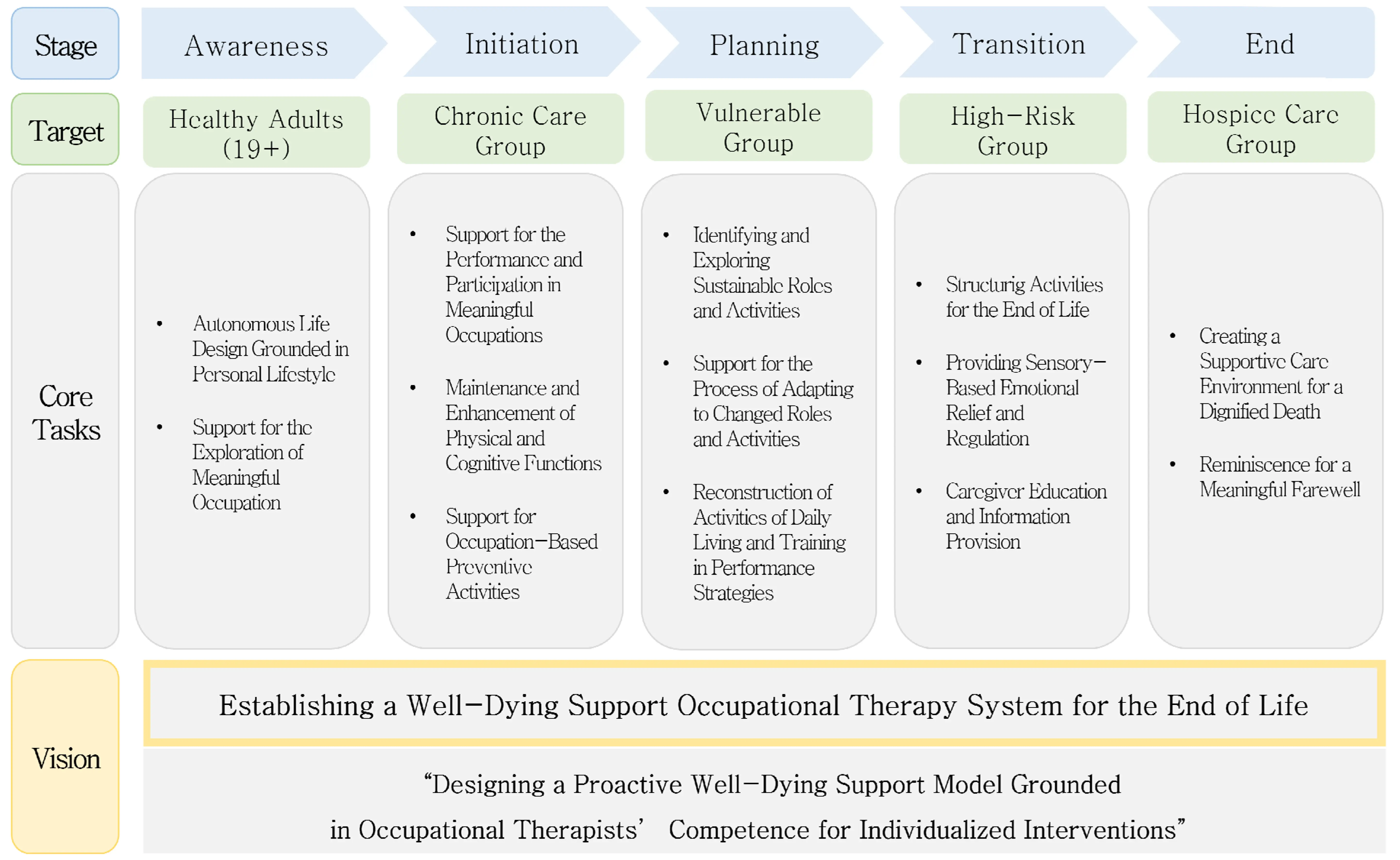 Figure 2.Occupation-Based Proactive Well-Dying Support Model
2)단계별 핵심과제 및 실행방안
해당 집단군의 특성과 관련 선행 연구를 기반으로 하 여 단계별 핵심과제를 선정하였다. 이에 따른 세부 실행 방안에 대한 활동 예시는 Table 3에 제시하였다.
| Stage | Core task | Implementation strategy |
|---|---|---|
| Awareness | • Autonomous life design grounded in personal lifestyle |
Providing the autonomous redesign of life and developing a proper understanding of well-dying (e.g., death education). |
| • Support for the explor ation of meaningful occupation |
Encouraging individuals to identify and engage in personally meaningful occupations aligned with their core values (e.g., setting value-centered goals) |
|
| Initiation | • Support for the performance and participation in meaningful occupations |
Providing activities tailored to the individual’s functional level and daily rhythm (e.g., time management strategies) Expanding the exploration of and participation in activities that reflect personal values and identity (e.g., planning for social participation) |
| • Maintenance and enhancement of physical and cognitive functions |
Providing customized activities to support the maintenance and improvement of function (e.g., muscle strengthening, stretching) |
|
| • Support for occupation-based preventive activities |
Facilitating early identification and intervention for factors that hinder ongoing role performance (e.g., modifying the work environment, conducting workplace assessments, managing stress via self-management apps) |
|
| Planning | • Identifying and exploring sustainable roles and activities |
List past and present role activities, and categorize them based on performance feasibility (① activities that can be continued, ② activities that have become difficult to perform, ③ activities requiring adjustment) Prioritize role activities by considering personal meaning and functional capacity |
| • Support for the process of adapting to changed r oles and activities |
Support for reframing role loss and recognizing role transitions (e.g., visualization activities to compare role engagement before and after change) Emotional support (e.g., sharing experiences through group-based activities) |
|
| • Reconstruction of activities of daily living and training in performance strategies |
Support for independent activities (e.g., home environment modifications, provision of assistive device information) Support for sustained participation in role activities by adapting activity performance methods to maintain quality and continuity (e.g., using strategies to prevent fatigue accumulation) |
|
| Transition | • Structuring activities for the end of life |
Elicit and identify feasible tasks and role activities based on the individual’s current functional level Provide training in task performance strategies (e.g., energy conservation, use of MET levels, assistive device utilization) |
| • Providing sensory-based emotional relief and regulation |
Providing a Snoezelen environment and modulating sensory input |
|
| • Caregiver education and information provision |
Education on maintaining functional posture, positioning, and transfer techniques Provision of information on community services relevant to End of Life care |
|
| End | • Creating a supportive care environment for a dignified death |
Maintaining posture and promoting comfort (e.g., repositioning, cushion placement, pain reduction) Environmental arrangement based on residual functional abilities (e.g., positioning activity items and personal photos within the visual field) |
| • Reminiscence for a meaningful farewell |
Reminiscence for a meaningful farewell (① Sensory-based reminiscence: engaging with preferred music and videos, ② Story-based reminiscence: sharing personal life narratives) |
(1)인식 단계
인식 단계의 핵심 집단군은 뚜렷한 질병이나 기능 저 하가 없는 ‘19세 이상 건강군’이다. 삶의 가치와 우선순 위를 파악하고, 자신에게 의미 있는 활동을 구조화할 수 있도록 돕는 그 자체로 삶의 질을 향상시킨다고 주장하고 있는 [Kim 등(2013)]의 연구에 따라, 자기주도적 삶의 설 계와 의미 중심의 활동 선택 과정을 강조하는 생애설계이 론(Life Design Theory)에 기반한 핵심 과제를 선정하 였다([Savickas et al., 2009]).
이 단계에서는 ‘라이프 스타일 기반 주체적 생애 설계’와 ‘의미 있는 작업 탐색 지원’을 핵심 과제로 선정하였다. 첫 번째 핵심 과제인 라이프 스타일 기반 주체적 생애설 계의 경우, 주체적인 생애 설계가 자아정체성과 삶의 질 향상에 효과적이라고 보고한 [Kim과 Han (2013)]의 연구 를 바탕으로 설정하였다. 두 번째 핵심과제인 의미 있는 작업 탐색을 지원은 개인의 가치와 일치하는 작업에 참여 할수록 웰빙에 효과적이라고 보고하는 MOHO (Model of Human Occupation) 모델에 기반하였다([Kielhofner & Burke, 1980]). 이러한 핵심 과제를 통해 생애 재설계 와 의미 있는 작업 탐색 과정으로 올바른 웰다잉 인식 형성을 지원하고자 한다.
(2)시작 단계
시작 단계의 핵심 집단군은 만성질환을 가지고 있지 만, 시한부 진단을 받지 않은 ‘건강관리군’이다. 해당 시기 의 집단군은 생애 전반에 걸쳐 다양한 시기에 역할 상실이 나 신체·인지 기능 저하가 발생할 수 있으며([An et al., 2021]), 이는 일상활동 참여의 제한으로 이어지고, 자기 효능감 저하 및 고립을 유발할 수 있다([De Coninck et al., 2021]). 이를 바탕으로 핵심 과제를 선정하였다.
이 단계에서는‘의미 있는 작업 수행 및 참여 지원’, ‘신체 및 인지 기능 유지 및 향상’과 ‘작업 기반 예방 활동 지원’을 핵심과제로 선정하였다. 첫 번째 핵심 과제인 의미 있는 작업 수행 및 참여 지원의 경우, 작업이 개인의 삶의 구조와 의미를 형성하는 핵심적인 역할을 한다고 주장한 MOHO 모델을 바탕으로 설정하였다([Kielhofner & Burke, 1980]). 다음으로는, 신체 및 인지 기능 유지 및 향상으로, 일상생 활에서 의미 있는 작업을 수행하기 위한 필수적인 요소는 신체 및 인지 기능이라 강조하고 있는 작업치료 실행체계 (OTPF-4)에 기반하였다([AOTA, 2020]). 마지막으로는, 작업 기반 예방 활동 지원으로, 개인의 활동 관찰과 역할 분석이 현재 수행 중인 작업의 제한 요인을 조기에 인식 할 수 있다고 보고한 [Skubik-Peplaski 등(2016)]의 연구 를 바탕으로 설정하였다. 이러한 핵심 과제를 통해 신체 및 인지 기능을 유지하거나 향상하면서, 의미 있는 작업 수행을 통해 일상에서의 참여 증진을 지원하고자 한다.
(3)설계 단계
설계 단계의 핵심 집단군은 시한부 진단을 받았지만, 일정 부분(25%) 이상 일상생활에 기여할 수 있는 ‘건강취 약군’이다. 해당 시기의 집단군은 기존에 수행하던 역할 이나 활동의 지속이 어려워지는 상황에 직면하게 되고, 이로 인해 작업 정체성과 생활 리듬이 불안정해질 수 있 다([Luck et al., 2022]). 또한, 질병의 진행에 따라 점차적 으로 일상생활활동에 제약이 발생할 가능성이 있는 것으 로 보고되고 있다([Hwang et al., 2021]). 이를 바탕으로 핵심 과제를 선정하였다.
이 단계에서는 ‘지속 가능한 역할 및 활동 탐색’, ‘변화된 역할 및 활동에 대한 수용 과정 지원’과 ‘일상활동의 재구 성 및 수행전략 훈련’을 핵심 과제로 선정하였다. 첫 번째 핵심과제인 지속 가능한 역할 및 활동 모색의 경우, 활동 이 지닌 개인적 의미와 정체성 유지에 대한 탐구가 활동을 지속하는데 효과적이라고 주장한 Kawa 모델을 바탕으 로 설정하였다([Iwama, 2006]). 다음으로는 변화된 역할 및 활동에 대한 수용 과정을 지원하는 것으로, 역할을 재 구성하고, 수행 가능한 활동에 집중하는 과정이 자기효능 감 향상에 효과적이라고 보고한 [Kim 등(2017)]의 연구를 바탕으로 설정하였다. 마지막으로는, 일상생활활동의 재 구성 및 수행전략 훈련으로, 작업 수행은 습관화, 수행 능 력, 환경의 상호작용을 통해 삶의 의미를 형성하는데 핵심 적인 역할을 한다고 강조하는 MOHO 모델([Kielhofner & Burke, 1980])을 바탕으로 설정하였다. 이러한 핵심 과제 를 통해 수행 가능성과 개인의 가치에 기반한 지속적인 활동을 재선별하고, 역할 상실 또는 변화에 대한 정서적 수용을 지원하고자 한다.
(4)전환 단계
전환 단계의 핵심 집단군은 시한부 진단을 받았지만, 일상생활 수행의 독립성이 25% 미만인 ‘건강 위험군’이 다. 해당 시기의 집단군은 활동 수행 능력의 급격한 저하 와 더불어, 자율성과 의미 있는 역할의 상실이 나타나며 ([Hwang, 2022]), 단순한 돌봄을 넘어서, 감각 자극이나 친근한 작업을 통해 삶의 흔적을 회복하고자 한다고 보고 하였다([S. Y. Kim, 2023]). 또한, 해당 시기에 대상자의 작업 참여에 보호자가 핵심 요소로 작용한다([Choi, 2016]). 이를 바탕으로 핵심 과제를 선정하였다.
이 단계에서는 ‘생애말기 활동 구조화’, ‘감각기반 정서 적 안정 및 완화 지원’, ‘보호자 교육 및 정보 제공’을 핵심 과제로 선정하였다. 첫 번째 핵심과제인 생애말기 활동 구조화의 경우, 활동의 구조화를 통해 심리적 안정에 효 과가 있다는 [Eva와 Morgan (2018)]의 연구를 바탕으로 설정하였다. 다음으로는, 감각 기반 정서적 안정 및 완화 지원으로, 생애말기에는 정서적 불안정이 언어적 접근만 으로는 완화하기 어려운 경우가 많아([Kim, 2001]), 다감 각 통합 중재를 통해 정서적 안정을 제공할 수 있다는 [Yoo 등(2005)]의 연구를 바탕으로 설정하였다. 마지막으 로는, 보호자 교육 및 정보 제공으로, 보호자의 적극적인 참여와 교육이 돌봄의 질과 환자의 삶의 질에 효과적이라 고 보고한 [McAndrew 등(2022)]의 연구를 바탕으로 설 정하였다. 이러한 핵심 과제를 통해 대상자가 작업에 참 여하여 의미를 느끼고 정서적 안정을 받으며, 동시에 보 호자 교육을 지원하고자 한다.
(5)마침 단계
마침 단계의 핵심 집단군은 입원형 호스피스 대상 기 준에 따라, 증상 조절이 어렵고 지속적인 의료적 돌봄이 필요한 상태인 ‘호스피스 입원군’이다. 해당 시기의 대상 자들은 삶의 의미를 찾지 못한 채 생명을 연장하고 있는 특별한 상황에 놓인 경우가 많다([Kim & Kim, 2016]). 이에 따라, 작업치료가 인간의 작업 수행을 개인의 가치 와 의미에 기반한 활동을 통해 존엄성, 자율성, 정체성을 유지해야 한다는 MOHO 모델([Kielhofner & Burke, 1980])을 바탕으로 핵심 과제를 선정하였다.
이 단계에서는 ‘존엄한 임종을 위한 돌봄 환경 조성’, ‘의미 있는 작별을 위한 회상활동’을 핵심 과제로 선정하 였다. 첫 번째 핵심과제인 존엄한 임종을 위한 돌봄 환경 조성의 경우, 환자 맞춤형 환경 조성이 정서적 안정과 자기 정체성 유지에 효과적이라고 보고하는 [Jang 등(2021)]의 연구를 바탕으로 설정하였다. 다음으로는, 의미 있는 작별 을 위한 회상활동으로, 감각 및 정서 자극이 말기 환자의 정서적 안정에 효과적이라고 보고한 [Ra 등(2022)]의 연 구를 바탕으로 설정하였다. 이러한 핵심 과제를 통해 대 상자들에게 삶의 마지막 순간까지 작업을 통한 자기표현 과 관계 맺기를 가능하게 하는 역할을 지원하고자 한다.
III.결 론
본 연구는 국내 웰다잉 지원체계에서 작업치료사의 역 할과 개입 가능성을 제시하고, 이를 바탕으로 대상자 분 류 지침과 단계별 전략을 모델화함으로써 작업치료의 역 할 정립에 기여하고자 하였다.
국외에서는 작업치료사가 다양한 중재를 통해 남은 생 애 동안 의미 있는 활동을 지속할 수 있도록 지원하고 있으나([AOTA, 2023]; [Tavemark et al., 2019]), 국내에 서는 작업치료사의 역할 정립에 대한 논의가 아직 미흡한 상황이며, 재정과 인력의 제약을 비롯한 제도적·현실적 여건으로 인해 작업치료사의 웰다잉 지원 참여가 제한되 고 있다([Kim et al., 2020]). 그러나 최근에는 웰다잉 교 육의 법제화, 지역 중심의 전달체계 구축, 재가 말기 돌봄 확대를 위한 다직종 협업 모델 등 다양한 개선 방안이 제안 되고 있다([Choi et al., 2024]; [Rhee & Song, 2024]). 이러한 제도적 논의가 점차 확대됨에 따라, 작업치료사 의 참여 또한 제도적으로 뒷받침될 수 있는 환경이 조성 되고 있는 것으로 사료된다.
선행연구에 따르면, 국내외 호스피스 환경에서는 웰다 잉과 관련된 심리·정서적 중재나 개인의 작업 참여를 중 심으로 한 개입이 여전히 미흡한 실정이며([Eva & Morgan, 2018]; [Lee, 2022]), 특히 변화된 기능 상태나 역할 상실에 대한 적응 지원은 간과되는 것으로 나타났다([Montagnini et al., 2020]). 이러한 한계를 보완하기 위해, 본 연구에 서는 개인의 가치에 기반한 작업 설계를 통합한 분류 지 침과 단계별 개입 전략을 제시하였다. 또한, 본 연구의 대상자 분류 지침은 기존 웰다잉 정책이 주로 말기 환자 나 노인 등 기능 저하 집단에 한정되어 있는 것과 달리 ([Ling et al., 2020]), 일상생활에 제약이 없는 성인까지 포함함으로써 사전 준비 기반의 웰다잉 지원을 가능하게 한다는 점에서 차별성을 지닌다.
이러한 배경을 고려할 때, 작업치료사는 웰다잉 지원체 계에서 변화된 신체·인지·정서적 상태에 부합하는 활 동을 설계하고, 상실된 역할에 대한 적응을 도우며, 일상 생활과 여가·사회활동 참여를 독려하고 지원함으로써 대상자가 삶의 마무리 과정에서 주체성을 유지하도록 해 야 할 것이다. 더불어 다직종 팀과 협력하여 심리·정서적 지지, 환경 조정, 자원 연계 등을 제공하고, 교육과 상담 을 통해 대상자와 가족이 웰다잉을 사전에 준비할 수 있 는 기반을 마련함으로써 대상자가 존엄하게 생애를 마무 리할 수 있도록 지원하는 역할을 수행할 수 있을 것으로 사료된다.
본 연구는 다음과 같은 한계를 지닌다. 제시된 웰다잉 프로세스는 성인층을 중심으로 구성되어 있어, 아동·청 소년을 포함한 전생애주기별 접근이 포함되지 않았다. 또한, 본 연구에서 제안한 웰다잉 지원 모델은 이론적 수 준에 머물러 있어, 실제 임상 현장에서의 적용 사례 분석 과 정책적 연계 가능성에 대한 검토가 이루어지지 않았다.
이러한 한계를 보완하고 웰다잉 지원체계에서의 실효 성을 제고하기 위해, 향후 연구에서는 보다 포괄적인 모 델 개발과 실천 전략에 대한 탐색이 이루어져야 할 것이 다. 이에 따라, 아동·청소년을 포함한 생애주기 전반을 포괄할 수 있는 웰다잉 지원 모델로의 확장이 요구된다. 또한, 국내 웰다잉 서비스는 제도적 기반이 점차 마련되고 있음에도 불구하고, 국민의 낮은 인식 수준과 기관 간 연 계 체계의 미비로 인해 실제 서비스 이용률이 낮은 실정 이므로, 사회적 인식을 제고하고 접근성을 향상시키기 위한 홍보 및 교육 전략의 수립을 위한 연구가 수행되어 야 할 것이다. 마지막으로, 다양한 현장에서 일관되게 적 용할 수 있도록 표준화된 메뉴얼과 중재 프로토콜을 마련 하고, 제시된 모델의 실효성을 검증하기 위한 임상 적용 사례 분석이 병행되어야 할 것이다. 그럼에도 불구하고, 본 연구는 국내 웰다잉 지원체계의 정책적 논의와 제도적 기반을 분석하여 현황을 조명하고, 해외 사례를 통해 작 업치료사의 다양한 개입 가능성을 파악하였으며, 이를 바탕으로 대상자 판단 지침과 단계별 전략을 제안함으로 써 웰다잉 지원체계 내 작업치료사의 역할 정립에 기여할 수 있는 근거를 제시하였다는 점에서 의의가 있다.