
Journal Information
Article Information
감각통합기반 중재가 발달지연 및 장애 아동의 운동기능에 미치는 효과: 체계적 고찰 및 메타분석
Author Information
Objective: This study reviewed and meta-analyzed the effects of sensory integration–based interventions on motor function in children with developmental delays and disabilities.
Methods: Following PRISMA 2020 guidelines, four databases (KISS, RISS, PubMed, CINAHL) were searched for RCTs (2010-2024) involving children with developmental delay, ASD, CP, or ADHD. Twelve studies were included. Study quality was assessed using the Cochrane RoB 2.0 tool. A random-effects model estimated effect sizes (Hedges’ g), heterogeneity (I2), and publication bias.
Results: The overall pooled effect size was moderate to large (g = 0.87, 95% CI: 0.73-1.01, p < 0.001, I2 = 37.60%). Subgroup analyses showed effects in gross motor (g = 0.92) and total motor outcomes (g = 0.83). By diagnosis, the largest effects were observed in developmental delay (g = 1.42) and cerebral palsy (g = 1.27). In addition, more consistent effects were observed when intervention duration was ≥ 5 weeks and session time was ≥ 60 minutes. No publication bias was detected.
Conclusion: Sensory integration–based interventions improve motor function, particularly gross and total motor outcomes. However, caution is needed when generalizing findings due to limited studies and heterogeneous assessment tools. Future research should use standardized assessments in well-designed RCTs.
목적: 본 연구는 감각통합기반 중재가 발달지연 및 장애 아동의 운동기능에 미치는 효과를 체계적으로 검토하고, 메타분석을 통해 검증하고자 하였다.
방법: PRISMA 2020 지침에 따라 국내외 학술 데이터베이스(KISS, RISS, PubMed, CINAHL 등)에서 2014년부 터 2025년까지 발표된 문헌을 검색하였다. 포함 기준은 발달지연, 자폐스펙트럼장애, 뇌성마비, Attention-Deficit/Hyperactivity Disorder 아동을 대상으로 한 연구 중 감각통합이론에 기반한 중재를 적용하고, 운동기능 향상을 주요 결과로 제시한 무작위 대조군 실험연구였다. 최종적으로 12편이 선정되었으며, Cochrane Risk-of-Bias tool for randomized trials을 이용해 연구의 질을 평가하고, 무선효과모형을 적용하여 효과크기(Hedges’ g), 이질성(I2), 출판편향(Funnel plot, Egger 회귀검정, Trim-and-Fill, Orwin 의 Fail-safe N)을 분석하였다.
결과: 전체 효과크기는 중등도에서 큰 수준의 효과(g = 0.87, 95% CI: 0.73-1.01, p < 0.001, I2 = 37.60%)로 확인되었다. 하위분석에서는 대근육(g = 0.92)과 전체운동(g = 0.83)에서 뚜렷한 효과가 확인되었으며, 진단군별로는 발달지연(g = 1.42)과 뇌성마비(g = 1.27) 아동에서 가장 큰 효과가 나타났다. 또한 중재기간이 5주 이상, 세션 시간이 60분 이상일 때 안정적이고 일관된 효과가 확인되었다. 출판편향 검정에서도 왜곡 가능성은 나타나지 않았다.
결론: 감각통합기반 중재는 발달지연 및 장애 아동의 운동기능 증진에 효과적인 접근으로 확인되었으며, 특히 대근육과 전반적 운동기능 향상에 두드러진 효과를 보였다. 그러나 포함 문헌 수의 제한, 평가도구의 이질성, 연구 지역 편중으로 인해 결과의 일반화에는 주의가 필요하다. 향후 연구에서는 표준화된 감각·운동 평가도구와 신경생리학적 지표를 병행한 무작위 대조군 실험연구가 요구된다.
I.서 론
감각통합치료(sensory integration therapy)는 감 각처리에 어려움을 보이는 아동에게 체계적이고 구조화 된 감각 자극을 제공함으로써 중추신경계의 통합 반응을 촉진하고, 일상생활 수행 및 전반적인 기능 향상을 도모 하는 중재 접근이다([Ayres, 1972]). 감각통합은 다양한 감각 정보를 받아들이고 처리하여 목적 있는 행동으로 조직화하는 신경생리학적 과정이며, 이 과정에 이상이 발생할 경우 주의집중 저하, 정서 조절의 어려움, 운동기 술 미성숙 등의 발달적 제한이 동반될 수 있다([Miller et al., 2007]; [Schaaf & Mailloux, 2015]).
감각통합이론에서는 특히 전정감각, 고유수용감각, 촉 각의 통합이 아동의 자세 조절과 움직임 계획, 협응력에 밀접하게 작용하며([Bundy et al., 2002]), 이는 곧 인지, 정서, 사회성 발달의 기초가 된다. 이러한 이론을 바탕으 로 한 감각통합기반 중재는 감각 자극 제공을 통해 운동 기능을 향상시키고, 감각-운동적 안정성을 기반으로 일 상 참여와 학습 기능의 발달을 도모한다.
임상에서는 감각운동 훈련, 감각놀이 중심 활동, 신체활 동 기반 중재 등 다양한 형태가 적용되며, 본 연구에서는 이를 이론적 일관성을 유지하면서도 실천 범위를 포괄하기 위해 ‘감각통합기반 중재(sensory integration-based intervention)’로 정의한다. 감각통합에 어려움을 보이 는 아동은 협응력 저하, 자세 불안정, 감각추구 행동, 일 상참여 제한 등의 문제를 경험하며([Baranek, 2002]), 이 는 운동기능의 제한과 밀접한 관련이 있다.
운동기능은 단순한 신체 수행력에 국한되지 않고, 주 의집중력, 자기조절능력, 사회적 상호작용을 포함한 전 반적 발달의 핵심 기반으로 간주되며([Blank et al., 2012]; [Piek et al., 2008]), 이를 향상시키기 위한 효과적 인 중재 전략이 요구된다.
감각통합기반 중재는 단순한 감각 자극 제공을 넘어, 주의력과 자기조절, 사회성 등 다양한 발달 영역과의 연 계를 고려한 통합적 접근으로 확장되고 있다([Schaaf & Mailloux, 2015]; [Piek et al., 2008]).
감각통합 이론은 전통적인 치료실 환경을 넘어, 최근 에는 학교 및 특수체육 활동을 포함한 다양한 교육·생 활 환경에서의 적용 가능성이 제기되고 있으며([Pfeiffer et al., 2018]; [Schaaf & Mailloux, 2015]), 감각-운동 간 통합을 통해 일상생활 전반의 기능 향상을 도모하는 실천적 확장성이 강조되고 있다.
기존 문헌에서는 감각통합기반 중재가 운동기능 향상 에 긍정적인 영향을 미친다는 보고가 다수 존재하나, 대부 분이 전체기능 또는 단일 지표 중심의 서술에 그치고 있 어, 하위 영역별 효과나 진단군별 반응, 중재 조건에 따른 차이를 분석한 체계적인 정량 연구는 부족한 실정이다.
특히 기존의 체계적 고찰 연구들은 주로 전체 운동기 능 또는 단일 지표에만 초점을 맞춰, 하위 기능이나 진단 군 특성에 따른 차이를 충분히 분석하지 못한 한계가 있 었다([Pfeiffer et al., 2018]).
이에 본 연구는 감각 및 운동기능에 제한이 있는 아동 을 대상으로 감각통합기반 중재가 운동기능 향상에 미치 는 효과를 체계적으로 고찰하고자 하며, 2014년부터 2025년까지 발표된 무작위 대조군 연구(Randomized Controlled Trials; RCT)를 중심으로 메타분석을 수행하 였다. 운동기능의 주요 하위 영역(대근육, 전체기능)을 중 심으로 효과 크기를 분석하고, 진단군, 중재 시간, 총 기간 등 조절변인에 따른 효과 차이도 함께 살펴봄으로써 감각 통합기반 중재의 임상적 유효성과 적용 조건을 정량적으 로 검토하고자 한다. 본 연구는 감각통합 중재 프로그램의 설계 및 임상 적용을 위한 근거를 제공하며, 후속 연구의 기초자료로 활용될 수 있다는 점에서 의의가 있다.
II.연구 방법
1.연구대상 및 자료수집
본 연구는 감각통합기반 중재가 발달지연 및 장애 아 동의 운동기능에 미치는 효과를 체계적으로 고찰하고, 무작위 대조군 연구(RCT)를 중심으로 메타분석을 수행 한 이차자료 기반 연구이다. 연구 수행은 Preferred Reporting Items for Systematic Reviews and Meta-Analyses (PRISMA) 2020 지침([Page et al., 2021])에 따라 진행되었다(Figure 1).
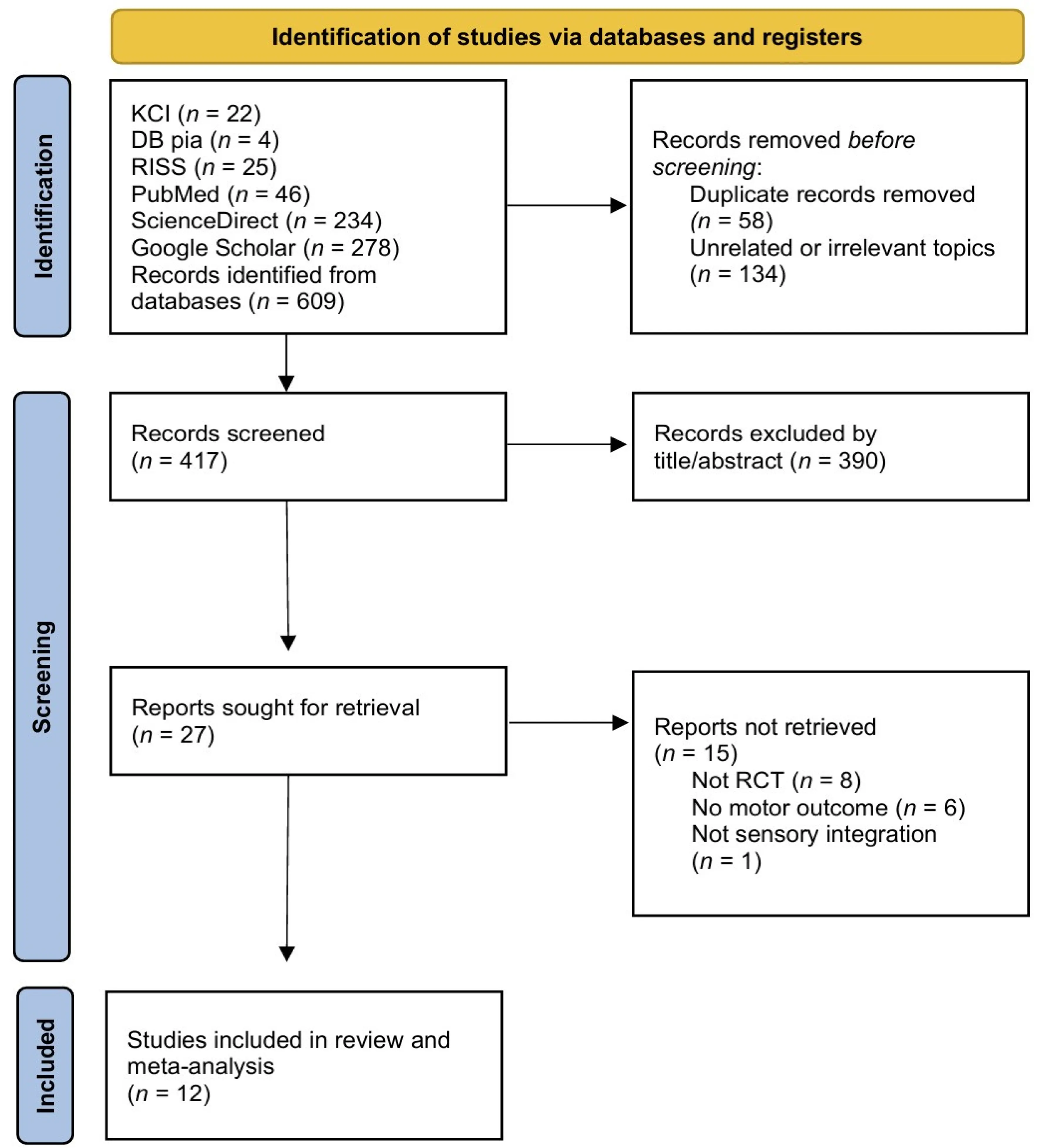 Figure 1.PRISMA Flow Diagram
국내 데이터베이스는 Korean Citation Index (KCI), DBpia, Research Information Sharing Service (RISS)를 활용하였으며, 국외 데이터베이스는 PubMed 를 사용하였다. 검색 기간은 2014년 1월부터 2025년 3월 까지로 설정하였다. 검색어는 국문 “감각통합”, “감각통합 치료”, “운동기능”, “운동발달”, “아동”과 영문 “sensory integration”, “sensory integration therapy”, “motor function”, “motor skills”, “children”, “randomized controlled trial” 등을 사용하였다. 또한 Boolean 연산 자(AND, OR)를 활용하여 키워드 간 논리적 결합을 구성 하였으며, RCT 설계에 해당하는 문헌을 중심으로 검색 을 수행하였다. 선정된 문헌은 체계적 문헌검색, 포함/제 외 기준 설정, 문헌 선정, 자료 추출, 질 평가, 통계 분석 의 과정을 거쳐 최종적으로 분석되었다.
2.논문의 선정 기준
문헌 선정 및 분석 기준은 Participants, Intervention, Comparison, Outcomes, Timing, Setting, Study Design (PICOTS-SD) 전략에 따라 설정되었으며, 이 는 참여자(participants), 중재(intervention), 비교군 (comparison), 결과변인(outcomes), 시간(timing), 환 경(setting), 연구설계(study design) 요소를 포함한다 (Table 1). 본 메타분석에서 ‘운동기능’은 (a) 대근육 및 전체 운동 능력[Bruininks-Oseretsky Test of Motor Proficiency-2 (BOT-2), Gross Motor Function Measure (GMFM), Test of Gross Motor Development-2 (TGMD-2), Movement Assessment Battery for Children-2 (MABC-2)]과 (b) 운동·자세 조절(Clinical Observations of Motor and Postural Skills; COMPS-II)의 두 하위 영역 으로 조작적으로 정의하였다. 반면, 시지각 통합(Visual- Motor Integration-Visual Integration; VMI-VI)과 자기 보고식 작업수행(Canadian Occupational Performance Measure; COPM)은 1차 결과에서 제외하였다.
| Item | Explanation |
|---|---|
| Participants | Children (aged 3-13 years) with developmental delays or disabilities |
| Intervention | Sensory integration-based intervention |
| Comparison | Pre-post or control group |
| Outcomes | Gross or overall motor skills |
| Timing | Immediate post-intervention (no follow-up) |
| Setting | Clinic-based or school-based environments |
| Study design | RCTs |
| COMPS-II → Motor control/postural skills (included in motor function domain) VMI-VI, COPM → Excluded from pooled motor outcomes | |
본 연구의 연령 기준(3-13세)은 포함 문헌에서 공통적 으로 활용된 표준화 운동기능 평가도구(BOT-2, GMFM, TGMD-2, MABC-2)의 적용 가능 연령을 교차 검토하 여 설정하였다. 또한 발달 단계 및 DSM-5 ([American Psychiatric Association, 2013]) 진단 기준에 따른 학 령전기~초등 중기 발달 구간과 일치하여, 감각·운동 발 달 효과를 검증하기에 적절한 시기로 판단하였다.
1)포함기준
(1)만 3세 이상 13세 이하의 발달지연 또는 발달장애 진단을 받은 아동
(2)감각통합기반 중재가 명확히 기술된 연구
(3) 운동기능이 주요 결과변인으로 포함된 연구
(4) BOT-2, GMFM, MABC-2, TGMD 등 표준화된 평가도구 사용
(5) 평균값, 표준편차, 표본 수 등 효과크기 산출을 위 한 통계 수치 제시
(6) 무작위 대조군 설계의 논문
(7)논문 전문(full-text) 확보 가능
(8) 국문 또는 영문으로 출판된 논문
2)배제기준
(1)만 14세 이상의 아동 또는 성인을 대상으로 한 연구
(2) 운동기능이 결과변인으로 포함되지 않은 연구
(3) 체계적 고찰, 메타분석, 서술형 리뷰 논문
(4)통계 수치 미제공으로 효과크기 산출이 불가능한 연구
(5) 회색문헌, 학위논문, 초록만 제공되는 연구
(6) 기타 언어로 출판된 논문 및 번역본
3.문헌의 질 평가
본 연구에서는 메타분석에 포함된 총 12편의 무작위 대 조군 연구(RCT)를 대상으로 Cochrane의 Risk-of-Bias Tool for Randomized Trials (RoB 2.0) 평가도구를 적용하여 연구의 질을 평가하였다. RoB 2.0은 총 5개의 영역-무작위화 과정(D1), 중재 이탈(D2), 누락된 결과자 료(D3), 결과 평가의 측정(D4), 선택적 보고(D5)-으로 구성되며, 각 영역의 비뚤림 위험은 ‘낮음(low risk)’, ‘일 부 우려(some concerns)’, ‘높음(high risk)’으로 평가 된다([Higgins et al., 2019]). 최종 비뚤림 위험은 각 영역 의 결과를 종합하여 결정된다.
4.자료선정 및 정리절차
본 메타분석에서는 포함된 각 문헌으로부터 연구자명, 출판연도, 대상자 수, 중재 조건(중재 시간, 주당 빈도, 총 기간), 사용된 평가도구, 사전·사후 평균 및 표준편 차, 효과크기, 진단군 특성 등을 추출하여 Excel 프로그 램을 활용해 체계적으로 구조화하였다. 데이터 추출은 2인의 연구자가 PRISMA 지침에 따라 독립적으로 수행 하였으며, 불일치 항목은 제3의 연구자가 검토·조율하 여 합의에 도달하였다. 이와 같은 다인 검토 방식은 [Higgins 등(2019)]의 권고 절차에 기반하며, 자료 추출의 신뢰도와 재현 가능성을 높이기 위한 조치이다. Excel은 사용자 정의, 계산식의 투명성, 기록의 추적 가능성 측면 에서 예비 자료 정리에 적합한 도구로 활용되었다.
5.데이터 분석방법
1)효과크기 산출 및 해석 기준
각 문헌에서 보고된 평균, 표준편차, 표본 수를 바탕으 로 Hedges’ g (표준화 평균차의 편향 보정값)를 산출하 였다. 효과크기의 해석은 [Cohen (1988)]의 기준에 따라 소효과(g ≤ 0.2), 중간효과(0.2 < g < 0.8), 대효과(g ≥ 0.8)로 구분하였다.
2)분석 모형 선정
문헌 간 진단군, 중재 방식, 평가 도구의 이질성을 고려하 여 무선효과모형(random-effects model, DerSimonian-Laird 방법)을 적용하였다([Borenstein et al., 2009]).
3)이질성 검증 및 조절효과 분석
Cochran’s Q 통계량과 I2 지수를 활용하여 이질성을 평가하였다. 본 메타분석의 I2는 37.60%로 중등도 이질 성이 확인되었으며, 이는 무선효과모형의 적용 타당성을 지지한다. 조절변수로는 진단군, 운동기능 하위 항목, 중 재 기간(주), 중재 시간(분)을 설정하였다. 범주형 조절변 수는 메타분산분석(meta-ANOVA), 연속형 조절변수는 메타회귀분석(meta-regression)을 통해 분석하였다.
4)출간 편향 분석
출간 편향 여부는 Funnel plot, Egger’s 회귀 검정(p = 0.943), Orwin’s fail-safe N (152편), Trim-and-Fill 기법을 통해 확인하였다. Egger’s 검정 결과 유의수준을 충족하지 않았으며, Trim-and-Fill 보정 후에도 전체 효과크기의 변동이 없어 출간 편향의 영향은 제한적인 것으로 판단되었다.
III.연구 결과
1.분석대상 문헌의 일반적 특성
최종 선정된 12편의 문헌의 연구대상은 발달지연 (Developmental Delay; DD), 뇌성마비(Cerebral Palsy; CP), 주의력결핍과잉행동장애(Attention-Deficit/ Hyperactivity Disorder; ADHD), 자폐스펙트럼장애 (Autism Spectrum Disorder; ASD) 아동이었다. 일부 연구에는 감각처리장애(Sensory Processing Disorder; SPD), 다운증후군(Down Syndrome; DS), 지적장애 (Intellectual Disability; ID) 아동이 포함되었으며, SPD 는 DSM 진단군으로 독립 분류되지는 않으나, 일부 연구 에서 운동기능 지표를 보고하였기에 전체 분석에는 포함 하였다. 다만 진단군별 하위분석에서는 독립적으로 제시 하지 않았다. DS와 ID는 발달지연 아동 집단에 통합하여 분석하였다([Pfeiffer et al., 2018]). 평균 연령은 5.2세에서 8.1세 사이였으며, 중재기간은 6주에서 12주로 다양하였 다. 주당 빈도는 2~3회, 회기 시간은 40~60분으로 보고되 었다. 주요 종속변수는 운동기능으로, BOT-2, TGMD-2, MABC-2, GMFM 등의 표준화된 도구가 주로 사용되었 으며, 일부 연구에서는 Clinical Observations of Motor and Postural Skills (COMPS-II)를 활용하여 운동/자세 조절 기능을 평가하였다(Table 2).
| No | First author (year) | Diagnosis | N (exp/ctrl) | Age (mean) | Duration (weeks) | Frequency (per week) | Tools (outcome) |
|---|---|---|---|---|---|---|---|
| 1 | [Park & Kim (2019)] | DD | 9 | 3.5 | 8 | 2 | SSP, GMQ, FMQ, TMQ |
| 2 | [Jeong et al. (2019)] | DD | 9 | 11 | 12 | 1 | BOT-2 |
| 3 | [Ko (2020)] | CP | 2 | 9 | 3 | 3 | GMFM, PBS, SSP, WeeFIM |
| 4 | [Bang (2020)] | CP | 16 | 4 | 8 | 2 | GMFM, WeeFIM |
| 5 | [Oh & Kang (2021)] | ADHD | 10 | 6.6 | 8 | 5 | PDMS-2, COMPS-II, VMI-VI |
| 6 | [Jung et al. (2024)] | ADHD | 10 | 5.5 | 8 | 2 | BOT-2 |
| 7 | [Abdel Karim & Mohammed (2015)] | ASD | 34 | 4.4 | 24 | 3 | PDMS-2 |
| 8 | [Assuma Beevi et al. (2020)] | DD | 30 | 6-15 | - | - | Motor activity score |
| 9 | [Mahaseth & Choudhary (2021)] | CP | 15 | 3-7 | 24 | 5 | GMFM |
| 10 | [Cemali et al. (2022)] | DD | 14 | 11 | 8 | 2 | AIMS |
| 11 | [Gaber et al. (2025)] | ASD | 35 | 7.11 | - | - | GMSS, FMSS |
| 12 | [Yamanishi et al. (2025)] | DCD | 8 | 5-16 | 8 | 2 | MABC-2 |
2.문헌의 질 평가
본 연구에 포함된 12편의 무작위 대조군 실험연구 (RCT)는 Cochrane의 RoB 2.0 도구를 활용하여 비뚤 림 위험을 평가하였다. 본 연구에서 평가자 간 신뢰도는 Intra-Class Correlation Coefficient (ICC) = 0.93, Cohen’s kappa = 0.89였다. 평가 결과, 4개의 연구는 전반적으로 비뚤림 위험이 ‘낮음(low risk)’으로 판정되 었으며, 8개의 연구는 일부 영역에서 ‘일부 우려(some concerns)’로 분류되었다. 도메인별로는 D3 (누락된 결 과자료)과 D4 (결과 평가의 측정)에서 ‘low risk’ 비율이 가장 높았고, D2 (중재 이탈)에서는 일부 연구에서 ‘high risk’ 판정이 나타났다(Figure 2).
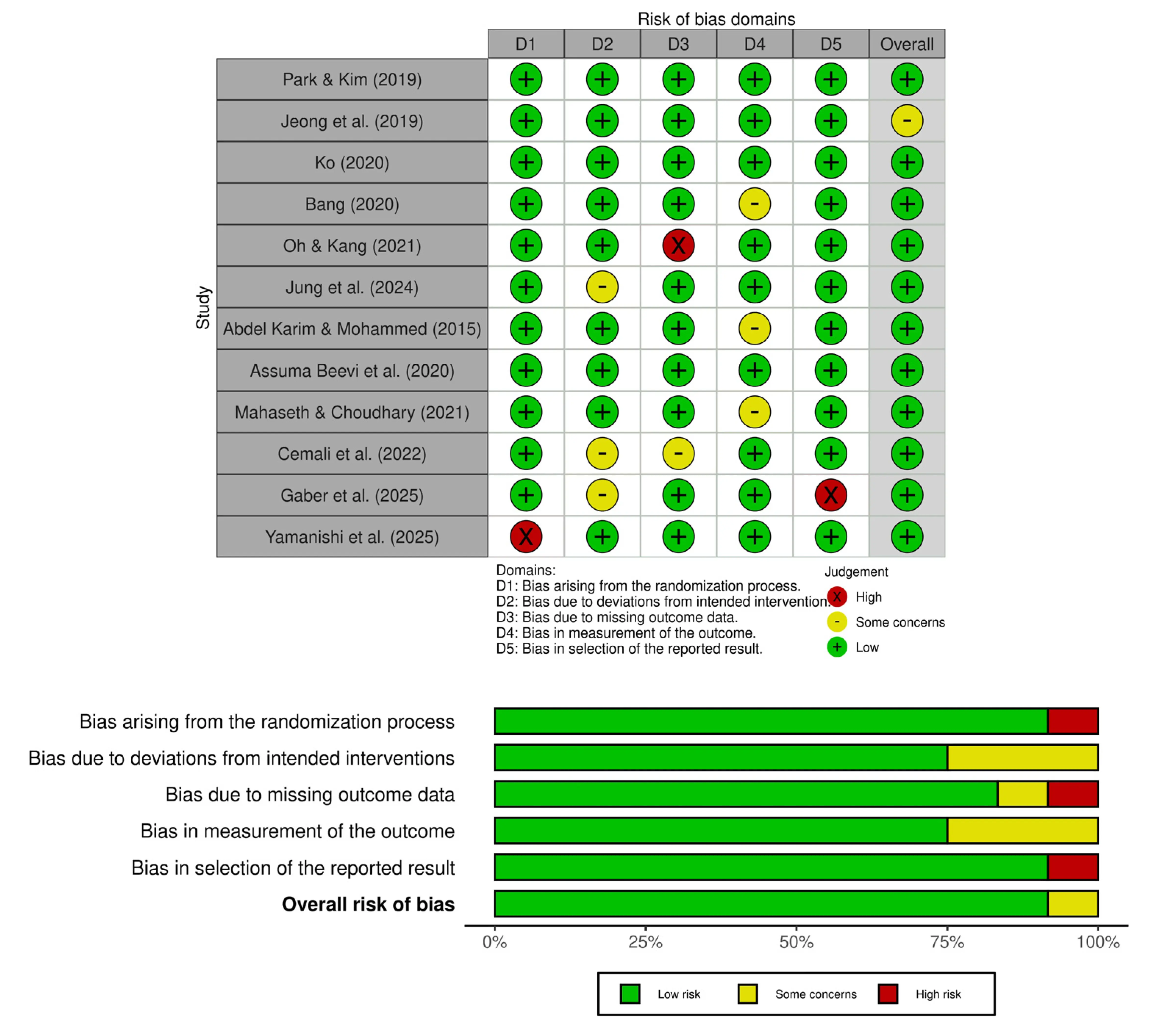 Figure 2.Assessment of Risk of Bias in Studies Based on Cochrane Collaboration’s Tool (RoB 2.0)
3.전체 효과 크기
총 12편 연구의 통합 효과 크기는 Hedges’ g = 0.87 (95% CI: 0.73-1.01, p < 0.001, I2 = 37.60%)로 나타 났으며, 이는 Cohen의 기준에 따르면 중등도에서 큰 수 준(moderate to large)의 효과에 해당한다(Figure 3). Cochran’s Q = 24.05 (df = 15, p = 0.18), I2 = 37.60%로 연구 간 변동은 중등도 수준으로 확인되었으 며, 무선효과모형 적용의 타당성이 지지되었다.
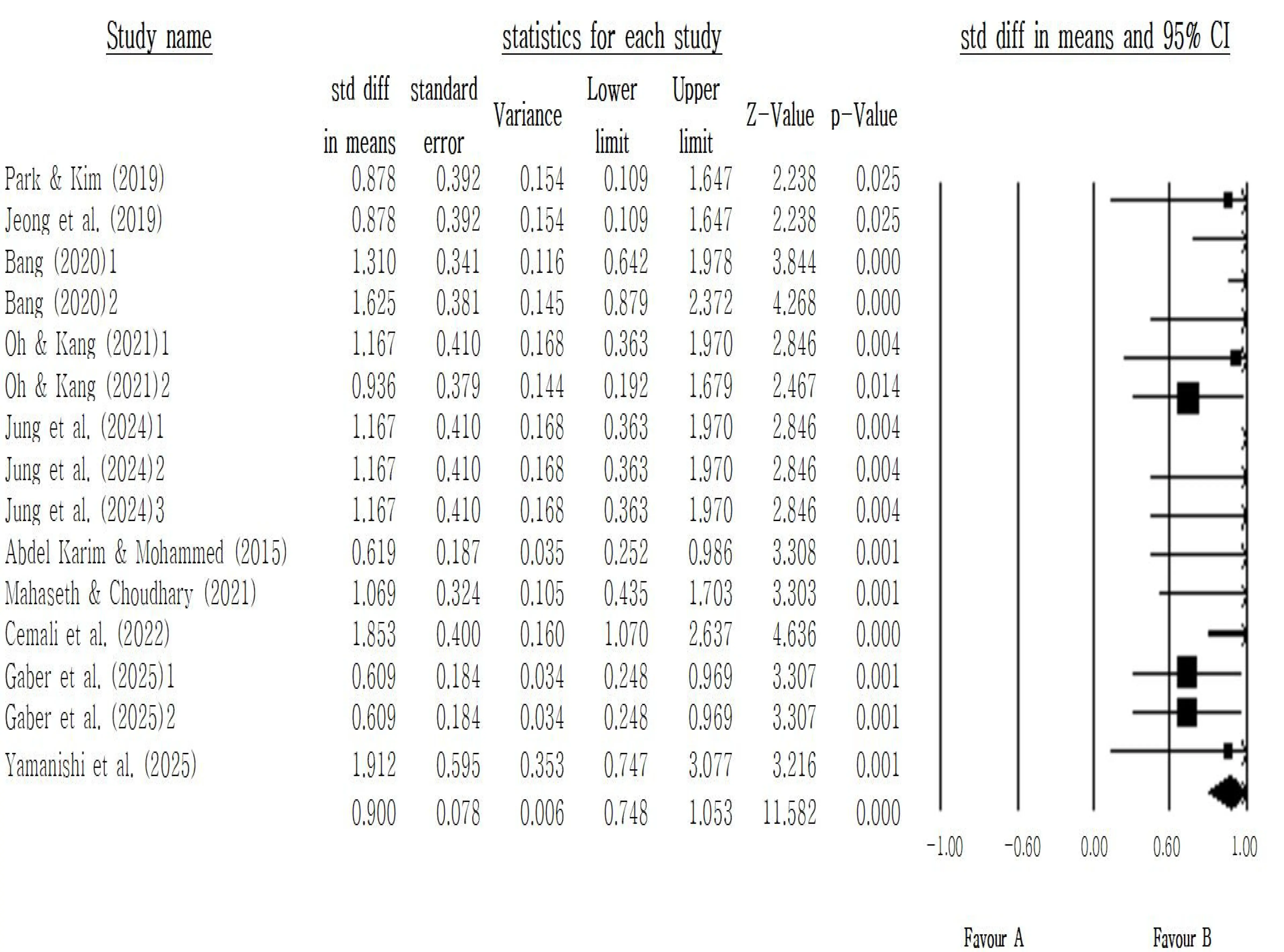 Figure 3.Forest Plot of Overall Effect Size Across Studies
4.진단군별 하위분석
하위분석 결과, 발달지연 아동(g = 1.42, 95% CI: 0.88-1.79)과 뇌성마비 아동(g = 1.27, 95% CI: 0.87-1.61)에서 가장 큰 효과가 나타났다. ADHD 아동 은 g = 0.86 (95% CI: 0.63-1.11)으로 중간~큰 수준의 효과를 보였으며, 자폐스펙트럼장애 아동은 g = 0.61 (95% CI: 0.36-0.87)로 중간 수준의 효과에 그쳤다 (Table 3, Figure 4).
| Diagnosis | No. of studies | Effect size (Hedges’ g) | 95% CI | p | Q | df | I2 (%) |
|---|---|---|---|---|---|---|---|
| DDa | 3 | 1.42 | 0.88-1.79 | < 0.001 | 4.09 | 2 | 51.10 |
| CP | 2 | 1.27 | 0.87-1.61 | < 0.001 | 0.00 | 1 | 0.00 |
| ADHD | 2 | 0.86 | 0.63-1.11 | < 0.001 | 4.14 | 1 | 0.00 |
| ASD | 6 | 0.61 | 0.36-0.87 | < 0.001 | 0.02 | 1 | 0.00 |
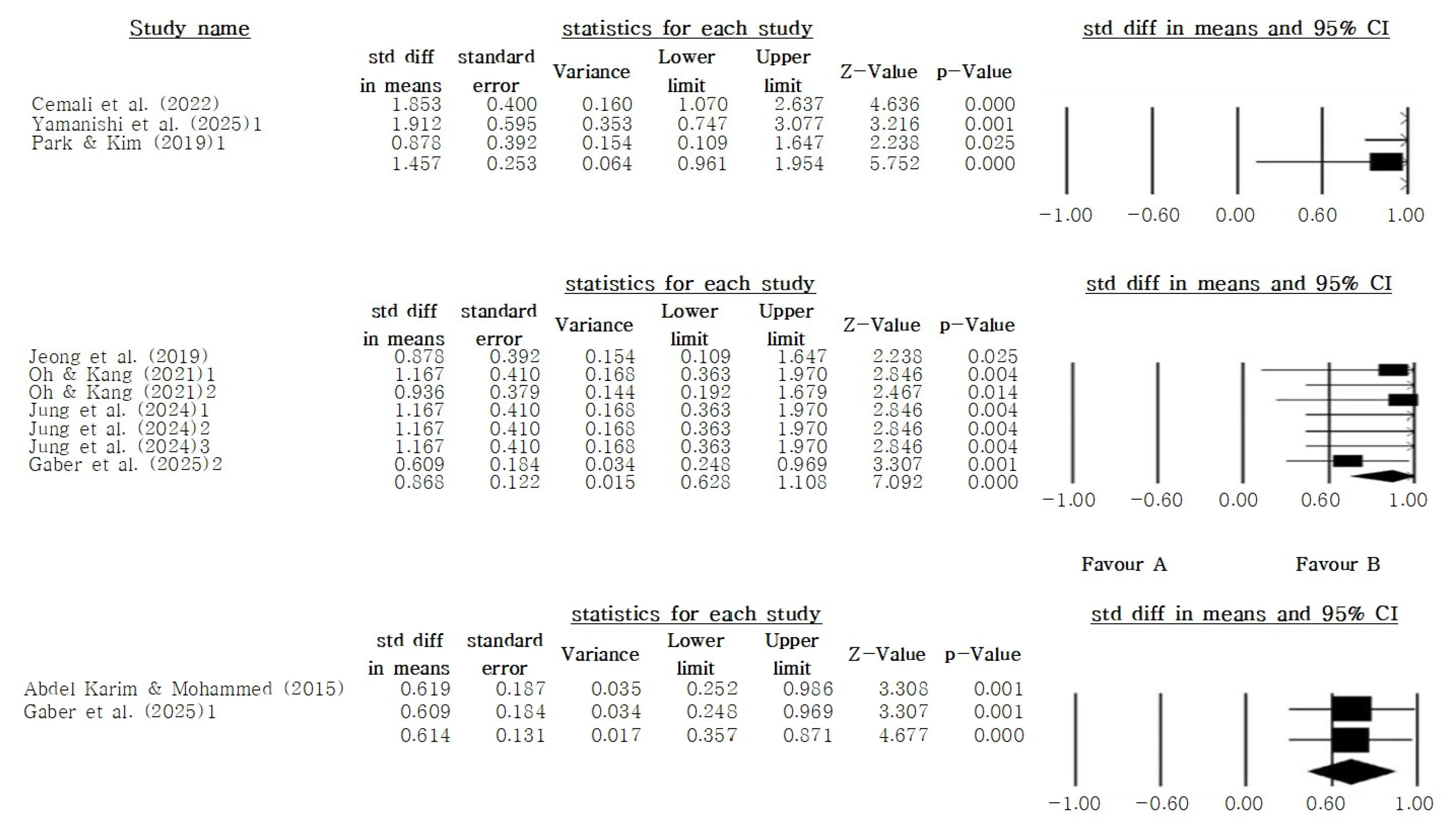 Figure 4.Forest Plots of Subgroup Analyses by Diagnosis (A) DD, (B) CP, (C) ADHD, (D) ASD
5.운동기능 하위 영역별 분석
운동기능 하위영역별 메타분석 결과, 대근육운동(gross motor function)의 효과크기는 g = 0.92 (95% CI: 0.67-1.18, p < 0.001)로 높게 나타났다. 전체 운동기능 (total motor performance)은 g = 0.83 (95% CI: 0.66-1.01, p < 0.001)으로 중등도 이상의 효과를 보였 다. 이러한 결과는 감각통합기반 중재가 근력, 협응, 체간 안정, 자세 조절 등 전신의 기능적 조절 능력에 유의한 영향을 미침을 시사한다(Table 4, Figure 5).
| Domain | Effect size (Hedges’ g) | 95% CI | p | Q | df | I2 |
|---|---|---|---|---|---|---|
| Gross motor | 0.92 | 0.67-1.18 | < 0.001 | 7.98 | 4 | 49.80 |
| Total motor | 0.83 | 0.66-1.01 | < 0.001 | 13.84 | 9 | 34.90 |
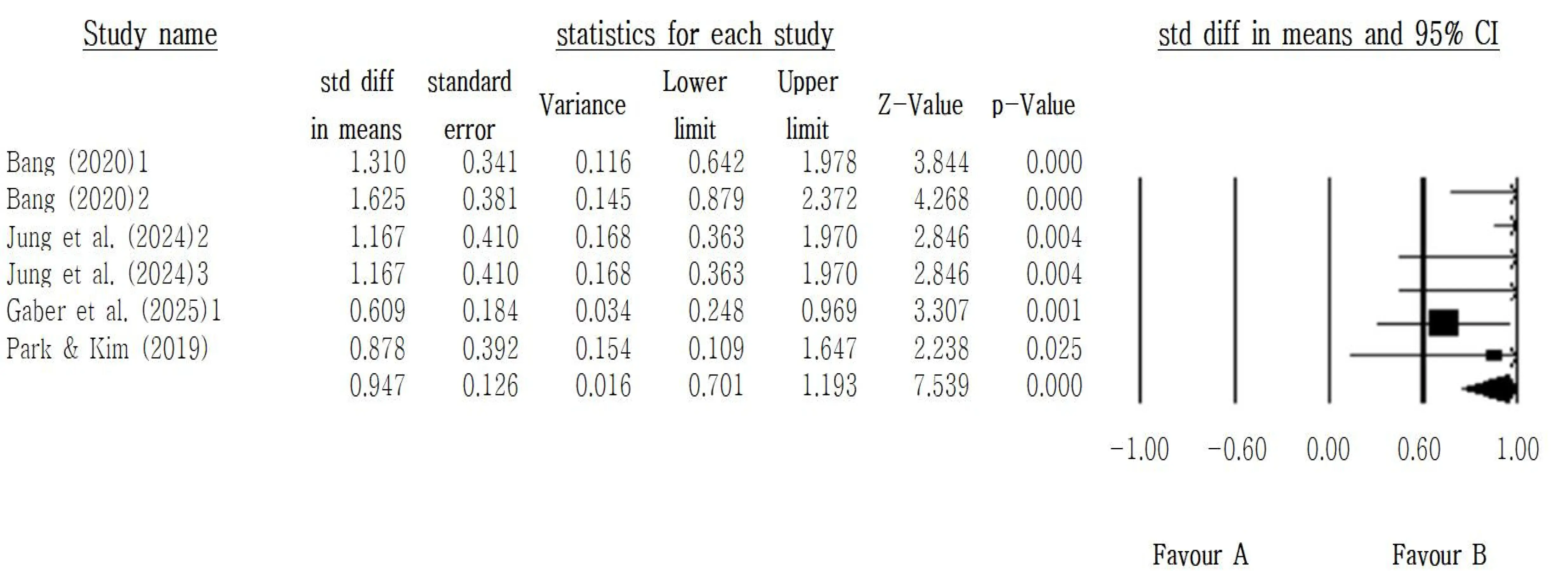 Figure 5.Forest Plots of Subgroup Analyses by Motor Function Domain (A) Gross Motor Function, (B) Total Motor Performance
6.중재기간별 하위분석
중재 기간(duration)에 따른 하위분석 결과, 단기 개 입군(≤ 4주)의 효과크기는 g = 1.14 (95% CI: 0.78-1.21, p < 0.001)로 통계적으로 유의하였으며, 이질성은 I2 = 41.40%로 중등도 수준이었다. 장기 개입군(≥ 5주)의 효 과크기는 g = 0.78 (95% CI: 0.57-0.98, p < 0.001)로 유의하였으며, 이질성은 I2 = 17.55%로 낮은 수준을 보 였다(Table 5, Figure 6).
| Duration | Effect size (Hedges’ g) | 95% CI | p | Q | df | I2 |
|---|---|---|---|---|---|---|
| ≤ 4 weeks | 1.14 | 0.78-1.21 | < 0.001 | 11.95 | 7 | 41.40 |
| ≥ 5 weeks | 0.78 | 0.57-0.98 | < 0.001 | 7.28 | 6 | 17.55 |
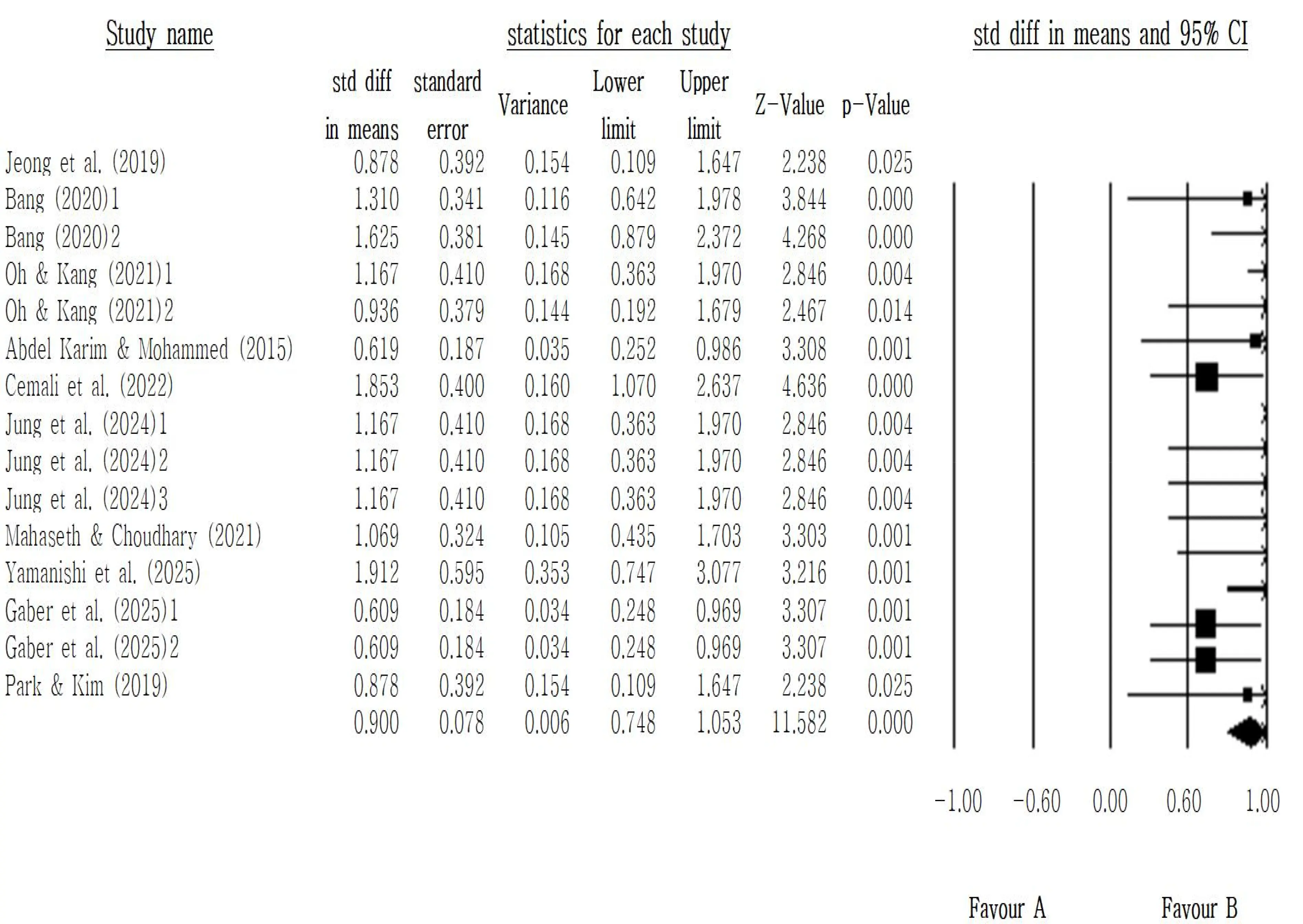 Figure 6.Forest Plots of Subgroup Analyses by Intervention Duration
7.세션 시간별 하위분석
세션 시간(session length)에 따른 하위분석 결과, 60 분 미만 중재의 효과크기는 g = 0.85 (95% CI: 0.66-1.05, p < 0.001, I2 = 34.33)였으며, 60분 이상 중재의 효과크기는 g = 1.26 (95% CI: 0.89-1.62, p < 0.001, I2 = 1.53)로 나타났다(Table 6, Figure 7).
| Session length | ES (g) | 95% CI | p | Q | df | I2 |
|---|---|---|---|---|---|---|
| < 60 minutes | 0.85 | 0.66-1.05 | < 0.001 | 12.18 | 8 | 34.33 |
| ≥ 60 minutes | 1.26 | 0.89-1.62 | < 0.001 | 3.05 | 3 | 1.53 |
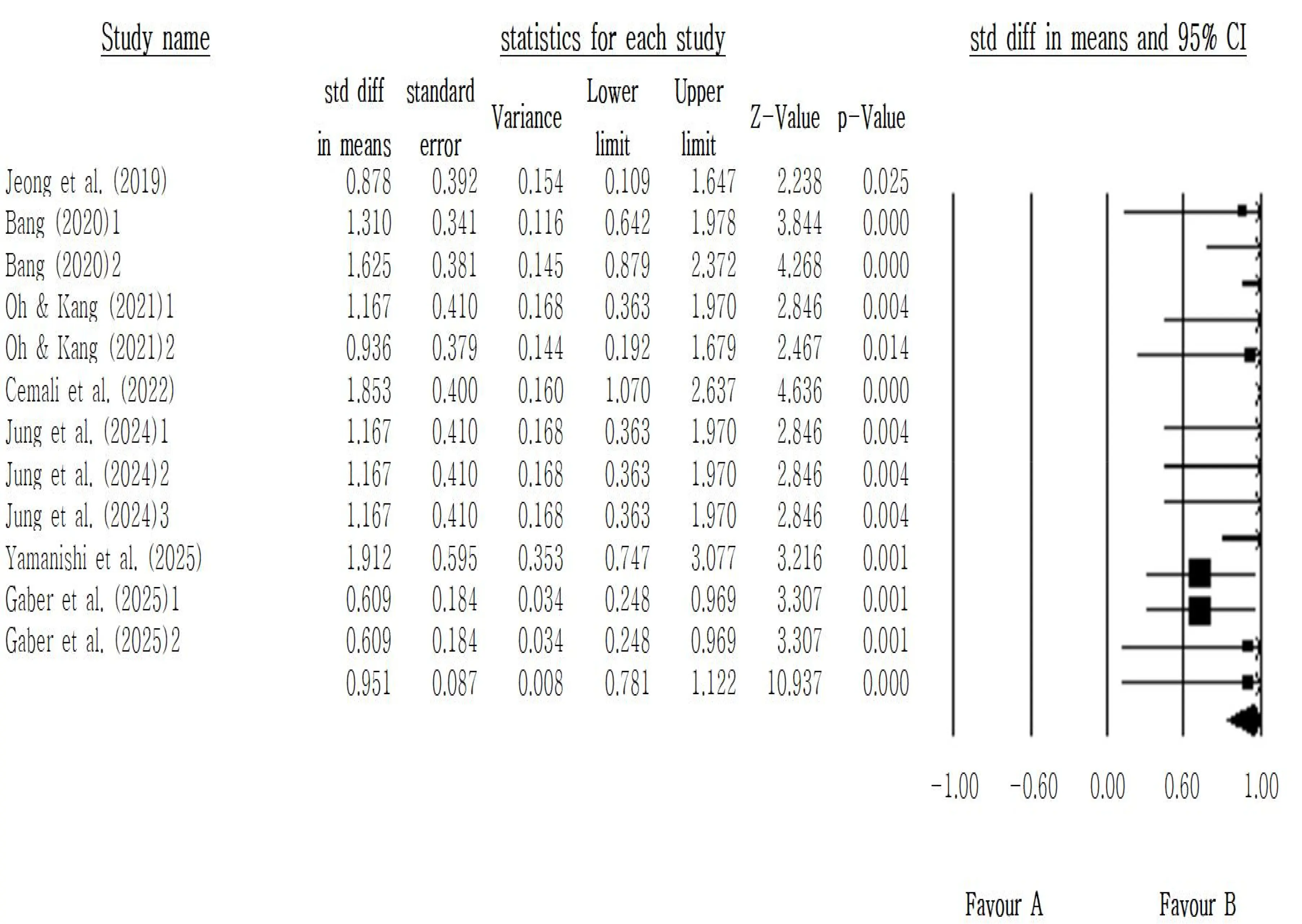 Figure 7.Forest Plots of Subgroup Analyses by Session Length (A) < 60 Minutes, (B) ≥ 60 Minutes
8.출판편의 검정
출판 편향 검정 결과, Funnel plot에서 점들의 분포는 좌우 대칭에 가까웠다(Figure 8). Egger 회귀분석에서는 절편이 bias = -0.07, t = -0.07, df = 14, p = 0.943으로 나타나 통계적으로 유의하지 않았다. Trim-and-Fill 기 법을 적용했을 때 보정된 추가 연구는 없었으며, 통합 효과크기의 변동도 없었다. Orwin의 Fail-safe N 결과 는 152편으로, 출판 편향의 영향을 받지 않는 것으로 확 인되었다(Table 7).
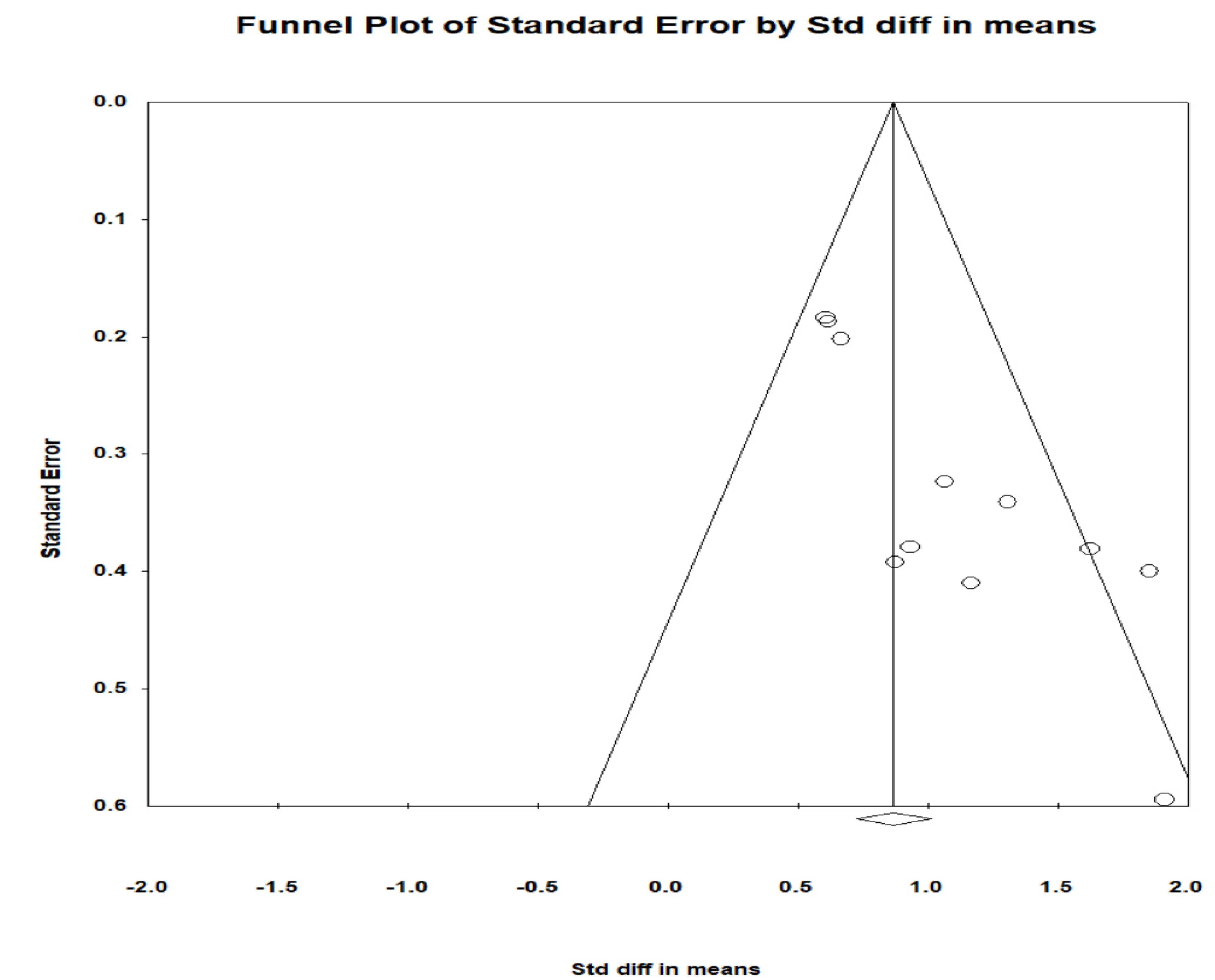 Figure 8.Funnel Plot of Publication Bias
| Method | Result |
|---|---|
| Egger’s regression | bias = -0.07, t = -0.07, df = 14, p = 0.943 |
| Trim-and-Fill | No additional studies imputed |
| Fail-safe N (Orwin) | 152 |
IV.고 찰
본 메타분석은 감각통합기반 중재가 발달지연 및 장애 아동의 운동기능 향상에 중등도에서 큰 수준의 효과(g = 0.87, 95% CI: 0.73-1.01, I2 = 37.60%)를 보였음을 확인하였다. 특히 대근육(g = 0.92)과 전체운동(g = 0.83)에서 뚜렷한 효과가 나타나, 전정·고유감각 자극 을 활용한 활동이 체간 안정성, 전신 협응, 기능적 참여를 촉진할 수 있음을 시사한다. 소근육 기능은 포함 문헌 수가 제한적이어서 본 메타분석에서는 별도로 제시하지 않았다. 다만 선행연구([Exner, 1993]; [Pfeiffer et al., 2018])에서는 퍼즐 맞추기, 작은 물건 집기 등 정밀한 손 작업 과제에서 제한적이지만 유의한 개선이 보고된 바 있어, 향후 연구에서 이를 보완할 필요가 있다.
진단군별 분석에서는 발달지연(g = 1.42)과 뇌성마비 (g = 1.27) 아동에서 상대적으로 큰 효과가 확인되었다. 이는 발달 마일스톤 보완 가능성과 신경가소성 특성에 기초하여 감각자극에 대한 반응성이 더 크게 나타났을 가능성이 있으며, 반복적·구조화된 운동 활동에 대한 적응력이 높게 작용했을 것으로 추정된다([Miller et al., 2007]). 이러한 결과는 [Case-Smith와 O’Brien (2015)] 과 [Schaaf와 Mailloux (2015)]의 보고와도 일치한다. 반면 ADHD (g = 0.86)와 ASD (g = 0.61)는 상대적으로 낮은 효과를 보였다. 이는 [Koenig과 Rudney (2010)], [Lane 등(2010)]이 지적한 바와 같이 인지적 비유연성, 정서조절의 어려움, 사회적 참여 제약이 중재 반응성을 제한했을 가능성과 관련된다. ASD 아동은 감각처리의 어려움으로 인해 새로운 운동 전략을 일반화하는 데 한계 가 있으며([Koziol et al., 2011]; [Schaaf & Mailloux, 2015]), ADHD 아동은 주의집중 불안정성과 충동적 행동 으로 인해 중재 참여의 일관성이 낮아 효과 누적이 어려 웠을 가능성이 있다([Pfeiffer et al., 2018]). 다만 이러한 해석은 본 메타분석에 포함된 제한된 연구 수를 근거로 한 것이므로, 특정 집단 전체에 일반화하는 데는 신중함 이 필요하다.
국내외 연구 비교에서도 차이가 확인되었다. 국내 연 구는 소규모·단기 개입(6-8주) 위주로 진행되어 효과 크기가 상대적으로 크게 보고되는 경향이 있었으나, 결 과의 일반화에는 한계가 있었다. 반면 해외 연구들은 다 기관 기반의 대규모 무작위 대조군 연구가 포함되어 효과 크기는 다소 낮게 나타났지만, 결과의 안정성과 신뢰도 는 더 높았다. 이러한 차이는 연구 설계와 환경적 요인에 서 기인할 수 있으며, 따라서 효과 해석 시 연구 맥락과 문화·교육적 환경을 함께 고려해야 한다.
중재기간과 세션 시간 분석에서는 5주 이상, 60분 이 상 중재에서 효과가 안정적으로 크게 나타났다. 이는 [Schaaf 등(2014)]이 제시한 감각통합 충실도 기준(주 2 회, 회당 60분, 10주 이상)과 일치하며, 충분한 강도와 기간이 확보될 때 효과가 더욱 안정적으로 나타난다는 점을 보여준다.
본 연구의 효과크기 추정치는 높은 신뢰도를 가진다. 포함 문헌 다수가 Cochrane RoB 2.0 기준에서 ‘low risk’로 평가되었고, Funnel plot, Egger 회귀검정, Orwin의 Fail-safe N (152편), Trim-and-Fill 분석에 서도 출판편향 가능성이 낮게 확인되었다([Borenstein et al., 2017]). 그러나 여전히 몇 가지 제한점이 존재한 다. 첫째, 진단군별 연구 수 불균형으로 일부 하위분석에 표본 편향 가능성이 있다. 둘째, 장기 추적 연구가 부족하 여 효과의 지속성을 판단하기 어렵다. 셋째, BOT-2, GMFM, TGMD-2, MABC-2 등 다양한 평가도구 사용 으로 측정 기준의 이질성이 존재한다. 넷째, 본 연구는 COMPS-II를 운동/자세 조절의 선별검사로 간주하여 포 함하였으나, 이는 대근육 수행(BOT-2, GMFM 등)과 동 일 개념으로 일반화하기에는 제한적이다. 따라서 결과 해석은 ‘운동조절 하위영역’에 국한된다는 점을 고려해 야 한다. 다섯째, 연구 지역이 아시아와 북미에 편중되어 있어 문화적·교육적 맥락에서의 일반화에 신중함이 요 구된다. 여섯째, 포함 연구에서 충실도(fidelity) 보고가 충분히 제시되지 않아 실제 임상 현장에서의 재현성을 확인하는 데 한계가 있었다.
향후 연구에서는 첫째, 진단군별로 충분한 규모의 무작 위 대조군 실험연구가 축적되어야 한다. 둘째, Sensory Integration and Praxis Test, Sensory Profile 2, Sensory Processing Measure 등 감각통합 표준화 평 가도구를 병행하여 중재 효과를 객관적으로 측정해야 한 다([Mulligan, 2014]; [Pfeiffer et al., 2018]). 셋째, EEG, fNIRS, HRV 등 신경생리학적 지표를 활용하여 감각자 극-운동기능 간 기전을 규명하는 다학문적 연구가 필요 하다([Koziol et al., 2011]; [Wilson et al., 2013]). 넷째, 부모 참여도, 치료자 숙련도, 환경구성 요소 등 임상 맥락 의 충실도를 보고하는 연구 설계가 요구된다(Parham & Mailloux, 2010). 이를 통해 감각통합기반 중재의 효 과성과 제도적 정당성을 동시에 확보할 수 있을 것이다.
V.결 론
본 메타분석은 감각통합기반 중재가 발달지연 및 장애 아동의 운동기능 향상에 중등도에서 큰 수준의 효과(g = 0.87)를 보임을 확인하였다. 특히 대근육과 전신 협응 기능에서 두드러진 효과가 나타났으며, 발달지연과 뇌성 마비 아동에서 효과가 상대적으로 크게 보고되었다.
이러한 결과는 감각통합기반 중재가 체간 안정, 전신 협응, 기능적 참여 증진에 효과적인 근거를 제공한다. 다 만, 진단군별 연구 수 불균형과 장기 추적 연구 부족 등으 로 해석과 일반화에는 신중함이 요구된다.
임상적으로는 5주 이상, 회당 60분 이상의 충분한 강 도와 기간이 확보될 때 안정적인 효과가 기대된다. 향후 연구에서는 표준화된 감각·운동 평가도구와 신경생리 학적 지표를 병행하여 효과를 객관적으로 검증하고, 충 실도 보고를 강화함으로써 실제 현장에서의 재현성과 제 도적 타당성을 확보할 필요가 있다.