
Journal Information
Article Information
동작관찰훈련 중재가 일상생활활동 수행 능력에 미치는 효과: 체계적 고찰 및 메타분석
Author Information
Objective: This systematic review and meta-analysis aimed to quantitatively synthesize the effects of Action Observation Training (AOT) on Activities of Daily Living (ADL) across diverse clinical populations.
Methods: Randomized controlled trials investigating AOT were identified through searches of PubMed, Cumulative Index to Nursing and Allied Health Literature, ProQuest, and Web of Science. Nine studies met the inclusion criteria. Risk of bias was assessed using the Cochrane Risk of Bias 2 tool. Standardized Mean Difference (SMD) with 95% Confidence Interval (CI) were calculated to estimate pooled effects, with ADL as the primary outcome and upper limb function as the secondary outcome.
Results: A total of 325 participants with neurological or musculoskeletal conditions, including stroke, Parkinson's disease, mild cognitive impairment, developmental coordination disorder, and total knee arthroplasty, were included. The meta-analysis showed that AOT significantly improved ADL compared with control interventions (SMD = 0.32, 95% CI [0.10, 0.55], p < 0.05). A significant positive effect was also observed on upper limb function (SMD = 0.54, 95% CI [0.26, 0.81], p < 0.05).
Conclusion: AOT has beneficial effects on ADL and upper limb function and may represent a function-oriented rehabilitation intervention across diverse clinical populations.
목적: 현재 동작관찰훈련의 효과는 주로 상지 기능이나 운동 수행 능력 중심으로 보고되어 왔으며 일상생활활동 수행 능력에 대한 효과를 체계적으로 통합·분석한 연구는 제한적이다. 이에 본 연구는 체계적 고찰 및 메타분석을 통해 다양한 임상 집단을 대상으로 적용된 동작관찰훈련이 일상생활활동 수행 능력에 미치는 효과를 정량적으로 평가하고자 하였다.
방법: 본 연구는 현재까지 게재된 무작위 대조군 연구를 대상으로 체계적 고찰 및 메타 분석을 수행하였다. PubMed, Cumulative Index to Nursing and Allied Health Literature, ProQuest, Web of Science 데이터베이스를 통해 동작관찰훈련 중재와 관련된 연구를 검색하여 총 9편의 연구가 선정되었다. 선정된 문헌에 대해 비뚤림 위험 평가를 시행하였고 주요 결과 변수는 일상생활활동, 이차적 결과 변수는 상지 기능으로 설정하여 동작관찰훈련의 효과를 정량적으로 통합 분석하였다.
결과: 본 연구는 총 325명의 대상자가 포함된 9편의 무작위 대조군 연구를 분석하였으며, 포함된 연구의 방법론적 질은 전반적으로 양호한 수준으로 평가되었다. 대상자는 뇌졸중, 파킨슨병, 경도인지장애, 발달 협응 장애 아동, 무릎관절 치환술 환자 등 다양한 임상 집단으로 구성되었고, 동작관찰훈련은 단독 중재 또는 기존 재활 중재와 병행하여 2주에서 8주 동안 적용되었다. 메타 분석 결과, 동작관찰훈련은 일상생활활동 수행 능력에서 유의한 개선 효과를 보였으며(Standardized Mean Difference [SMD] = 0.32, 95% Confidence Interval [0.10, 0.55], p < 0.05), 이는 중등도 수준의 효과 크기에 해당하였다. 또한 상지 기능에 대해서도 유의한 향상이 확인되었으며(SMD = 0.54, 95% Confidence Interval [0.26, 0.81], p < 0.05), 중등도 수준의 효과 크기를 나타냈다. 효과 크기들은 모두 통계적으로 유의하였다(p < 0.05).
결론: 본 연구는 동작관찰훈련이 다양한 질환군에서 일상생활활동과 상지 기능 회복에 유의미한 효과를 보이는 활용 가능한 중재 전략임을 확인하였다. 향후 연구에서는 표준화된 중재 프로토콜과 장기 추적 연구를 통해 적용 가능성을 더욱 강화할 필요가 있다.
I.서 론
일상생활활동(activities of daily living)은 개인이 독립적인 생활을 유지하고 사회적 역할을 수행하기 위해 필 수적인 기본 기능을 의미한다([American Occupational Therapy Association, 2020]). 세계보건기구는 국제기 능·건강·장애분류(International Classification of Functioning, Disability and Health)를 통해 일상생활 활동을 건강과 기능을 평가하는 핵심 영역으로 규정하고 있으며, 일상생활활동 회복을 재활의 가장 중요한 목표 중 하나로 제시하고 있다([World Health Organization, 2001]). 그러나 대부분의 신경계 질환과 근골격계 손상은 운동 기능의 저하를 초래하여 일상생활활동 수행 능력을 크게 제한하며([Balicki et al., 2025]; [Mehrholz et al., 2020]) 이는 돌봄 의존도 증가와 삶의 질 저하, 사회적 고립 등 심리·사회적 문제로 이어지는 것으로 보고되고 있다([Poomalai et al., 2023]). 따라서 일상생활활동 수 행 능력을 효과적으로 향상시킬 수 있는 근거 기반의 중 재 전략을 탐색하는 것이 재활 분야의 핵심 과제로 제시 되고 있다([Vásquez-Carrasco et al., 2025]). 기존의 재활 중재는 근력 강화와 반복적 움직임 훈련 등 운동 기능 회복에 초점을 맞추어 구성되어 왔으며, 이러한 접 근은 특정 기능의 향상에는 효과적일 수 있으나 훈련된 수행이 실제 생활 상황으로 충분히 일반화되지 않는 한계 가 지속적으로 지적되고 있다([Afridi et al., 2023]).
최근 신경과학 분야의 발전과 함께 동작관찰훈련(action observation training)은 운동 학습을 촉진하는 중재로 주목받고 있다([Rizzi et al., 2022]). 동작관찰훈련은 타 인의 목적 지향적 동작이나 실제 활동 장면을 관찰한 후 이를 모방하여 수행하는 중재로, 동작 관찰만으로도 실 제 운동 수행과 유사한 신경 활성화가 운동 피질 영역에 서 유발된다는 신경생리학적 기전인 거울 뉴런 시스템에 기반한다([Buccino, 2014]; [Zhang et al., 2018]). 또한 동작관찰훈련은 신체적 피로 부담이 적고 장소적 제약이 크지 않아 초기 회복 단계에 있거나 운동 수행 능력이 제한된 대상자에게도 적용할 수 있는 중재로 보고되고 있으며, 이러한 특성으로 인해 뇌 손상 및 운동 장애 환자 를 대상으로 한 여러 연구에서 전통적 재활 접근과 비교 하여 유망한 결과를 보여주고 있다([Buchignani et al., 2019]; [Giannakopoulos et al., 2022]).
[Zhang 등(2023)]의 체계적 고찰에서 보고된 바와 같 이, 신경계 질환군을 대상으로 동작관찰훈련이 기능적 수행 능력 향상에 기여한다는 근거를 보여주며 효과적인 재활 중재로 제시되고 있다. 최근 연구들은 동작관찰훈 련의 효과가 뇌졸중뿐 아니라 파킨슨병, 경도인지장애 및 소아 집단 등으로 점차 확장되고 있음을 보고하고 있 다. 이러한 결과는 동작관찰훈련이 특정 질환에 제한되 지 않고, 공통된 운동 학습 기전을 바탕으로 다양한 대상 자의 기능 회복을 지원할 수 있는 중재임을 나타낸다 ([Estrada-Barranco et al., 2023]; [Temporiti et al., 2020]).
현재까지의 동작관찰훈련 관련 체계적 고찰 및 메타분 석 연구들은 [Peng 등(2019)]이 제시한 바와 같이 주로 상지 기능이나 운동 조절 능력 등 신체 구조 및 기능 수준 의 결과에 초점을 두어 그 효과를 보고해 왔다. 이러한 접근은 동작관찰훈련의 신경생리학적 기전과 운동 기능 회복 가능성을 이해하는 데 중요한 근거를 제공하였으나 실제 일상생활 맥락으로의 기능적 전이 과정을 충분히 설명하기에는 한계가 존재한다([Borges et al., 2015]).
일상생활활동 수행 능력은 재활의 궁극적인 목표이자 대상자의 기능적 독립성과 직결되는 핵심 지표로 단순한 신체 기능 향상만으로는 충분히 설명되기 어렵다. 그럼에 도 불구하고 기존 연구들은 일상생활활동 수행 능력을 주 요 결과 변수로 설정하여 정량적으로 분석한 경우가 상대 적으로 제한적이며 특정 질환군이나 단일 기능 지표에 초 점을 둔 연구가 다수를 차지한다([Zhang et al., 2019]).
이에 본 연구는 일상생활활동 수행 능력을 주요 결과 변수로 설정하고 기본적 일상생활활동을 중심으로 한 기 능적 수행 관점에서 동작관찰훈련을 종합적으로 분석하 고자 하였다. 이를 통해 동작관찰훈련이 단순한 운동 기 능 향상을 넘어 실제 생활 맥락에서의 기능적 수행과 독 립성 향상에 미치는 영향을 보다 구체적으로 제시하고자 한다. 나아가 다양한 임상 집단을 포괄하여 동작관찰훈 련의 기능적 효과를 정량적으로 통합함으로써 임상 현장 에서 다양한 환자군의 일상생활활동 수행 능력 증진을 위한 근거 기반 중재 전략 수립에 기초 자료를 제공하고 자 한다.
II.연구 방법
1.연구 프로토콜 및 등록
본 체계적 고찰 및 메타분석은 Preferred Reporting Items for Systematic Reviews and Meta-Analyses (PRISMA) 가이드라인의 체크리스트와 흐름도를 준수하 였다([Page et al., 2021]). 또한 본 연구는 International Prospective Register of Systematic Reviews 국제 등록 데이터베이스에 사전 등록되었으며, 등록 번호는 CRD420251176367이다.
2.문헌 선정 기준
1)포함 기준
(1) 동작관찰훈련의 중재 효과를 평가한 무작위 대조 군 연구
(2) 영어로 작성되어 원문 전체를 확인할 수 있는 연구
(3) 동작관찰훈련을 단독 또는 다른 중재와 병행하여 적용한 연구
(4)일상생활활동 관련 평가 지표를 최소 한 가지 이상 보고한 연구
2)배제 기준
(1) 중재가 동작관찰훈련이 아닌 연구
(2) 일상생활활동 관련 결과를 보고하지 않은 연구
(3)학위논문, 포스터, 질적연구, 증례보고, 전문가 의견 등과 같이 엄밀한 임상시험에 해당하지 않는 연구
구체적인 포함 및 배제 기준은 대상자, 중재, 비교군, 결과 (Participants, Intervention, Comparison, Outcome) 에 따라 Table 1에 제시하였다.
| Category | Inclusion criteria | Exclusion criteria |
|---|---|---|
| Participants (P) | All ages, regardless of diagnosis or setting | X |
| Intervention (I) | Interventions including action observation training | Studies not involving action observation training |
| Comparison (C) | X | X |
| Outcome (O) | Studies including assessment of activities of daily living | Studies not including assessment of activities of daily living |
| Study design (S) | Randomized controlled trials published in English | Non-randomized studies |
3.문헌 검색 데이터베이스
문헌 검색은 동작관찰훈련 연구를 포괄적으로 검토하 기 위해 출판 연도 제한 없이 PubMed, Cumulative Index to Nursing and Allied Health Literature (CINAHL), ProQuest, Web of Science 데이터베이스 를 활용하여 수행하였다. 검색 전략은 데이터베이스별 특성을 고려하여 통제어(MeSH, CINAHL Headings)와 자유 텍스트 키워드를 병행하여 구성하였으며 제목과 초 록을 중심으로 검색을 진행하였다. PubMed에서는 [tiab] 필드를 활용한 자유어 검색과 “Activities of Daily Living” MeSH 용어를 조합하였고, CINAHL에서는 CINAHL Headings (MH)과 자유어 검색을 병행하였다. ProQuest에서는 제목 및 초록 필드를 기반으로 검색식을 구성하였으며, Web of Science에서는 주제어 기반 검색 을 수행하였다 각 데이터베이스의 검색 결과는 EndNote 에 통합한 후 중복 문헌을 제거하여 최종 검토 대상 문헌을 확보하였다. 실제 사용한 검색은 Table A1에 제공하였다.
4.자료 수집 절차
문헌 선정은 두 명의 연구자(작업치료사)가 독립적으 로 수행하였으며, 제목과 초록을 기준으로 사전 설정한 포함 및 배제 기준에 따라 문헌을 선별하였다. 연구자 간 의견 불일치 시에는 논의를 통해 합의를 도출하였고 합의가 이루어지지 않을 경우 제3의 연구자에게 자문하 여 최종 포함 여부를 결정하였다. 문헌 선정 과정은 PRISMA 가이드라인에 따라 수행되었다.
5.데이터 추출
최종 선정된 연구로부터 저자명, 출판 연도, 대상자 수 및 특성, 중재 내용, 비교 중재, 주요 평가도구, 그리고 일상생활활동과 관련된 주요 결과 지표를 추출하였다. 데이터 추출은 두 명의 연구자가 독립적으로 수행하였으 며, 상호 검증을 통해 정확성과 일관성을 확보하였다. 추 출된 정보는 항목별로 체계화하여 비교·분석하였다.
6.비뚤림 위험 평가
최종 선별된 문헌의 방법론적 질 평가는 Cochrane Risk of Bias 2 (RoB 2) 도구를 사용하여 수행하였다. 두 명의 연구자가 각 문헌을 독립적으로 평가하였으며 영역별 판정 근거를 기록하였다. 평가 과정에서 의견 불 일치가 발생한 경우에는 원문을 재검토한 후 충분한 논의 를 거쳐 합의된 결과를 도출하였다. RoB 2 평가에서 비 뚤림 위험이 낮을수록 연구의 방법론적 신뢰도와 질이 높음을 의미한다.
7.통계 분석
통계 분석은 Review Manager 5.4 (The Cochrane Collaboration, Copenhagen, Denmark)를 사용하여 수행하였다. 일상생활활동능력에 대한 결과는 연구 간 서로 다른 평가도구가 사용됨에 따라 연속형 변수에 대해 95% 신뢰구간(Confidence Interval; CI)을 포함한 표준화된 평균차(Standardized Mean Difference; SMD)를 산출 하여 효과 크기를 통합하였다. 상지 기능은 Fugl-Meyer Assessment (FMA)와 Fugl-Meyer Assessment-Upper Extremity (FMA-UE)로 평가되었으며 두 도구 간 점수 체계와 범위의 차이를 고려하여 동일하게 표준화된 평균 차를 적용하여 분석하였다. 효과 크기의 통합은 각 연구 의 분산에 역비례하는 가중치를 부여하는 역 가중법을 사용하여 산출하였고, 통계적 유의수준은 p < 0.05로 설 정하였다. 출판 편향은 퍼널 플롯을 통해 시각적으로 평 가하였다. 일부 연구에서 중앙값과 범위 또는 사분위수 범위만 보고된 경우에는 제시된 통계치를 기반으로 평균 과 표준편차를 추정하여 분석에 포함하였다. 또한 중재 군이 세 개 이상으로 구성된 연구의 경우에는 동작관찰훈 련을 적용한 두 개 이상의 세부 그룹이 있을 경우 이를 하나의 실험군으로 통합하여 메타분석에 포함하였다.
III.연구 결과
1.문헌 선택 및 방법
PubMed, CINAHL, ProQuest, Web of Science 데 이터베이스를 검색하여 총 377편의 문헌이 확인되었으 며 모든 문헌을 EndNote 프로그램을 이용하여 관리하 였다. 중복 문헌 193편을 제거한 후 남은 184편을 대상 으로 제목과 초록을 기반으로 1차 선별을 시행하였다. 이 과정에서 사전에 합의된 자격 기준에 부합하지 않는 164편이 제외되었다. 이후 20편의 문헌에 대해 원문을 확보하여 전체 텍스트의 검토를 수행하고자 하였으나, 이 중 5편은 원문 입수가 불가능하여 제외되었다. 최종적 으로 15편의 문헌을 대상으로 적합성 기준에 따른 세부 평가를 시행하였으며 연구 설계가 부적절한 문헌 3편과 결과 지표가 선정 기준에 부합하지 않는 문헌 3편이 추가 로 제외하였다. 그 결과 본 체계적 고찰 및 메타분석에는 최종적으로 9편의 연구(출처)가 포함되었다(Figure 1).
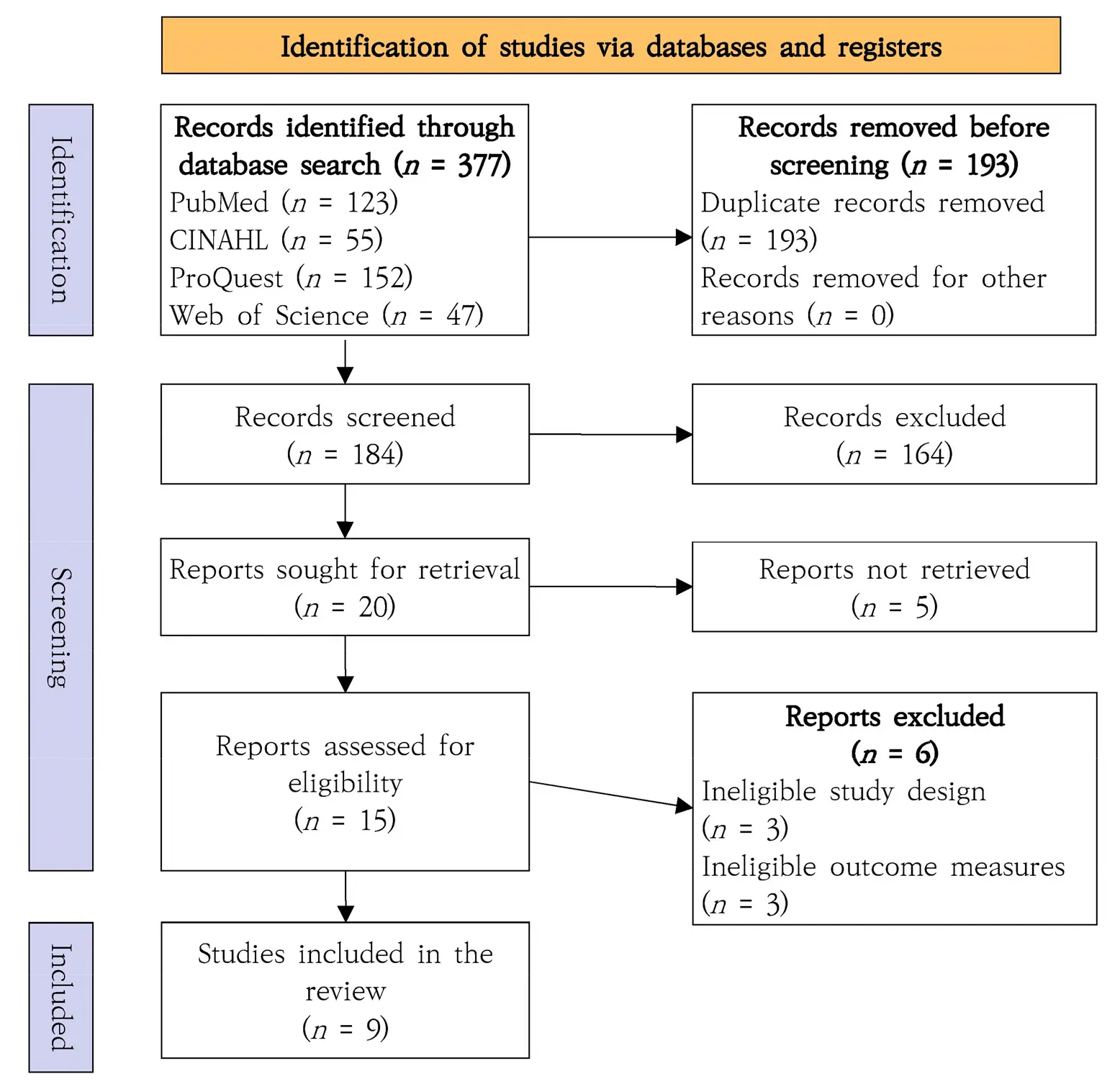 Figure 1.Preferred Reporting Items for Systematic Reviews and Meta-Analyses Flow Diagram
2.포함된 연구의 특성
본 연구에는 총 9편의 무작위 대조군 연구가 포함되었 으며, 다양한 질환군과 연령대를 포함한 총 325명의 참 여자가 분석에 포함되었다(실험군 167명, 대조군 158 명). 실험군은 모두 동작관찰훈련 기반 중재를 제공받았 으며 대조군은 정적 이미지 관찰, 비관찰 기반 과제 수행 또는 일반적 재활 프로그램을 적용받았다. 주요 결과 지표 로는 일상생활활동 수행 능력(Functional Independence Measure [FIM], Barthel Index [BI]), 과제 수행 시간 및 기술 수행 능력이 사용되었으며, 이차적 결과 지표로 는 포함된 연구 중 5편에서 상지 기능(FMA, FMA-UE) 이 활용되었다. 각 연구의 참여자 특성, 중재 구성 요소 및 적용 프로토콜에 대한 세부 정보는 Tables 2와 3에 제시하였다.
| Author (year) | Participants | Intervention | Main outcome | Main findings | |||
|---|---|---|---|---|---|---|---|
| Dx. | IG | CG | IG | CG | |||
| Age (n) | Age (n) | ||||||
| [Scott et al. (2023)] | DCD children | 9.50 ± 1.34 (M = 11, F = 3) | 9.64 ± 1.39 (M = 10, F = 4) | AOMI + physical practice | Game (Cut the Rope) + physical practice | Performance time, technique rating | - Shoelace-tying performance time improved significantly from pre-test to post-test (mean Δ = –29.06, p = 0.009) and to retention (mean Δ = –32.59, p = 0.002) - Shoelace-tying movement technique scores improved significantly from pre-test to post-test (mean Δ = +1.63, p = 0.002) and to retention (mean Δ = +1.51, p = 0.004) - Cup-stacking technique improved significantly from pre-test to post-test (mean Δ = +0.54, p < 0.001) and to retention (mean Δ = +0.54, p < 0.001) |
| [Franceschini et al. (2012)] | Subacute stroke | 67.00 ± 12.40 (n = 48) | 65.70 ± 11.90 (n = 42) | AOT + execution | Static non-human images + mobilization | FIM-motor, FMA | - ADL improvement was significant in both groups (EG mean Δ = +32.2; CG mean Δ = +30.5) - FMA improvement was significant in both groups (EG mean Δ = +16.7; CG mean Δ = +12.9; both p < 0.05) - The between-group difference was not statistically significant (FIM-Motor, FMA) |
| [Fu et al. (2017)] | Subacute stroke | 62.00 ± 9.93 (M = 11, F = 17) | 59.80 ± 10.50 (M = 11, F = 14) | AOT + traditional rehabilitation | Traditional rehabilitation | MBI, FMA | - MBI improvement was significantly greater in the AOT group (mean Δ = 15.0, p < 0.001) than in the control group (mean Δ = 9.0, p < 0.001) - FMA improvement was significantly greater in the AOT group (mean Δ = 10.86) than in the control group (mean Δ = 5.48; p = 0.040) |
| [Mancuso et al. (2021)] | Subacute stroke | 64.50 ± 11.70 (M = 10, F = 6) | 76.50 ± 10.20 (M = 10, F = 6) | AOT + conventional therapy | Task-oriented training + conventional therapy | FIM, FMA-UE | - FIM improvement was significantly greater in the AOT group (mean Δ = 36.4; p < 0.001) - FMA-UE improvement was significantly greater in the AOT group (mean Δ = 14.2; p < 0.001) |
| [Paciaroni et al. (2024)] | Parkinson disease dementia | 76.60 ± 5.10 (M = 7, F = 3) | 74.90 ± 4.40 (M = 6, F = 4) | AOT + execution | Non-motor semantic videos | ADCS-ADL | - ADCS-ADL improvement was significant in the AOT group (mean Δ = +6.1, p = 0.001) - The control group showed no significant change (mean Δ = –1.6, p = 0.057) |
| [Villafañe et al. (2016)] | Post-total knee arthroplasty | 70.40 ± 7.50 (M = 7, F = 7) | 70.10 ± 7.70 (M = 3, F = 14) | AOT + exercises | Nature video + exercises | Barthel index | - ADL improvement was significant in the AOT group (mean Δ = +19.5, p < 0.05) - The control group also showed significant improvement (mean Δ = +19.1, p < 0.05) - The between-group difference was not statistically significant (mean difference = +4.1, 95% CI –0.9 to 9.1) |
| [Martin-Blazquez et al. (2025)] | Mild cognitive impairment | TOG: 88.60 ± 7.18 (M = 9, F = 1) POG: 84.00 ± 8.03 (M = 8, F = 2) |
78.80 ± 7.00 (M = 3, F = 7) | AOT (therapist/peer observation) + exercises | Residence-based mobility/ADL maintenance | Barthel index, FMA-UE | - ADL improvement was not statistically significant in either AOT group (TOG median Δ = +2.5; POG median Δ = +2.5), and no meaningful change was observed in the control group (CG median Δ = 0.0; p > 0.05) - FMA improvement was significantly greater in both the therapist-observation group (median Δ = 23.5) and the peer-observation group (median Δ = 29.0) compared to the control group (median Δ = 1.0 both p < 0.001) |
| [Yu & Park (2022)] | Chronic stroke | 62.20 ± 7.64 (M = 6, F = 4) | 61.40 ± 9.33 (M = 7, F = 3) | First-person AOT + ADL tasks | Third-person AOT + ADL tasks | K-MBI, MAL | - Improvements in K-MBI (mean Δ = 9.10), MAL–AOU (mean Δ = 6.70), and MAL–QOM (mean Δ = 4.80) were all significantly greater in the first-person AOT group than in the control group (mean Δ = 3.20, 1.20, and 1.90, respectively; all p < 0.001) |
| [Hsieh et al. (2020)] | Subacute stroke | 52.77 ± 11.25 (M = 6, F = 1) | MT: 46.41 ± 13.45 (M = 6, F = 1) ACl: 54.30 ± 13.61 (M = 6, F = 1) |
Action observation (first-person videos) + motor execution | MT: Mirror therapy + motor execution ACI: Bilateral arm training without mirror/video feedback | FIM, FMA | - Improvements in FIM-total were significantly greater in the action observation therapy group (mean Δ = 7.43 at post-treatment; 12.86 at follow-up) than in both the mirror therapy group (mean Δ = 2.14 and 5.86, respectively) and the control group (mean Δ = 2.57 and 6.14, respectively both p < 0.05) - Improvements in FMA total score were greater in the action observation therapy group (mean Δ = 5.14 at post-treatment; 4.43 at follow-up) compared with the mirror therapy group (mean Δ = 2.57 and 4.71, respectively). In contrast, the control group demonstrated the largest gains (mean Δ = 7.14 and 9.86) |
| Author (year) | Intervention | Weeks | Sessions/week | Time(minutes) | |||||
|---|---|---|---|---|---|---|---|---|---|
| Intervention group (IG) | Control group (CG) | ||||||||
| [Scott et al. (2023)] | Action observation + simultaneous motor imagery followed by physical practice of ADLs (shoelace tying, cutlery use, shirt buttoning, cup stacking) | Computer game (Cut the Rope) + physical practice of the same ADLs | 4 | 4 | 40 | ||||
| [Franceschini et al. (2012)] | Observation of daily upper-limb ADL tasks via video (first-person perspective) followed by imitation with paretic arm, under OT supervision | Sham observation (static images without human motion) followed by matched upperlimb movements (shoulder/elbow mobilization) | 4 | 5 | 15 × 2 /day | ||||
| [Fu et al. (2017)] | Action observation therapy (10 min video observation + 10 min imitation of upper-limb movements) | Sham observation (geometric patterns/digit symbols + matched movements) | 8 | 6 | 20 | ||||
| [Mancuso et al. (2021)] | Upper-limb ADL videos (first-person perspective) ; 1 task/day for 20 sessions; each session = 30 min (observe → imitate) | Functional upper-limb tasks using the same objects No video observation Therapist provides verbal cues only Each session = 30 min | 4 | 5 | 30 | ||||
| [Paciaroni et al. (2024)] | AOT: Watching videos of 6 complex ADLs followed by execution of the observed actions (during “on” phase) | Watching non-motor, geographical/naturalistic semantic videos (during “on” phase) | 4 | 5 (home) + 2 (hospital) | 30 | ||||
| [Villafañe et al. (2016)] | AOT (watching exercise video before independent exercises) | Control video (nature scenes, no exercise content) | 2 | 5 | 30 min (15 min supervised + 15 min independent) | ||||
| [Martin-Blazquez et al. (2025)] | TOG | POG | CG | 5 | 3 | 20~30 | |||
| Therapist-led action observation followed by execution of resistance, balance, and upper-limb exercises | Peer-led action observation followed by execution of the same exercise program | Standard residence-based therapy focusing on basic mobility and ADL maintenance | |||||||
| [Yu & Park (2022)] | Action observation of upper-extremity ADL videos from a first-person perspective followed by imitation of the observed actions | Action observation of the same ADL videos from a third-person perspective followed by imitation of the observed actions | 4 | 5 | 30 | ||||
| [Hsieh et al. (2020)] | AOT | MT | Active control | 3 | 5 | 60 | |||
| Action observation of upper-limb movements and functional tasks (first-person perspective videos) followed by execution of the observed actions | Mirror therapy involving upper-limb movements and functional tasks using mirror visual feedback | Dose-matched bilateral arm training with upper-limb exercises and functional tasks (no action observation or mirror feedback) | |||||||
3.연구 내 편향의 위험
9편의 연구에 대한 편향 위험 평가는 Figures 2와 3에 제시하였다. 전반적으로 대부분의 연구는 편향 위험에서 일부 우려 수준으로 평가되었으며 모든 영역에서 고위험 으로 판정된 연구는 없었다. 무작위배정 과정 영역에서 는 5편의 연구에서 배정 순서 생성 방법 또는 배정 은폐 절차에 대한 보고가 불충분하여 일부 우려로 평가되었다. 반면 중재로부터의 이탈, 누락된 결과 자료, 결과 측정, 선택적 보고 영역에서는 대부분의 연구가 낮은 위험으로 평가되었으며 일부 연구에서만 절차적 명확성 부족으로 인해 일부 우려가 제시되었다. 종합적으로 포함된 연구 의 편향 위험은 전반적으로 관리 가능한 수준으로 판단되 며 본 연구 결과 해석에 중대한 영향을 미칠 가능성이 있는 편향은 확인되지 않았다.
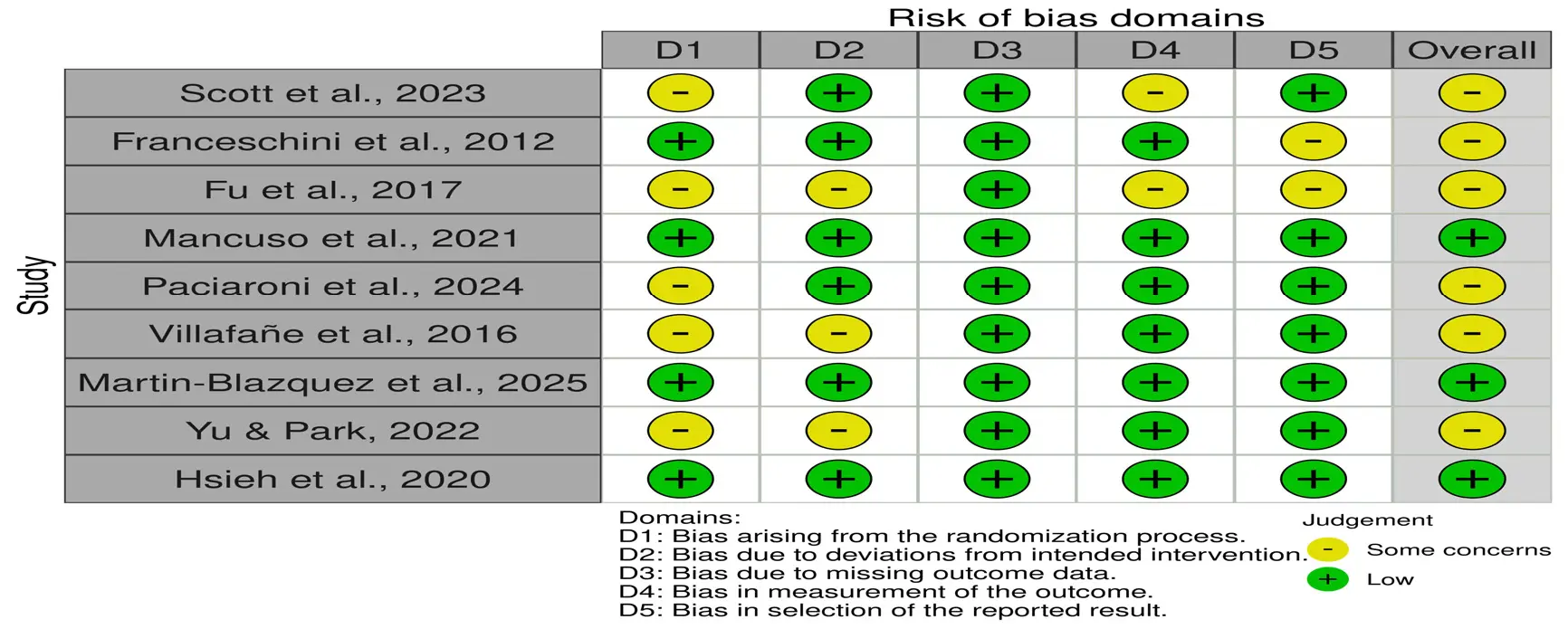 Figure 2.Summary of Bias Risk
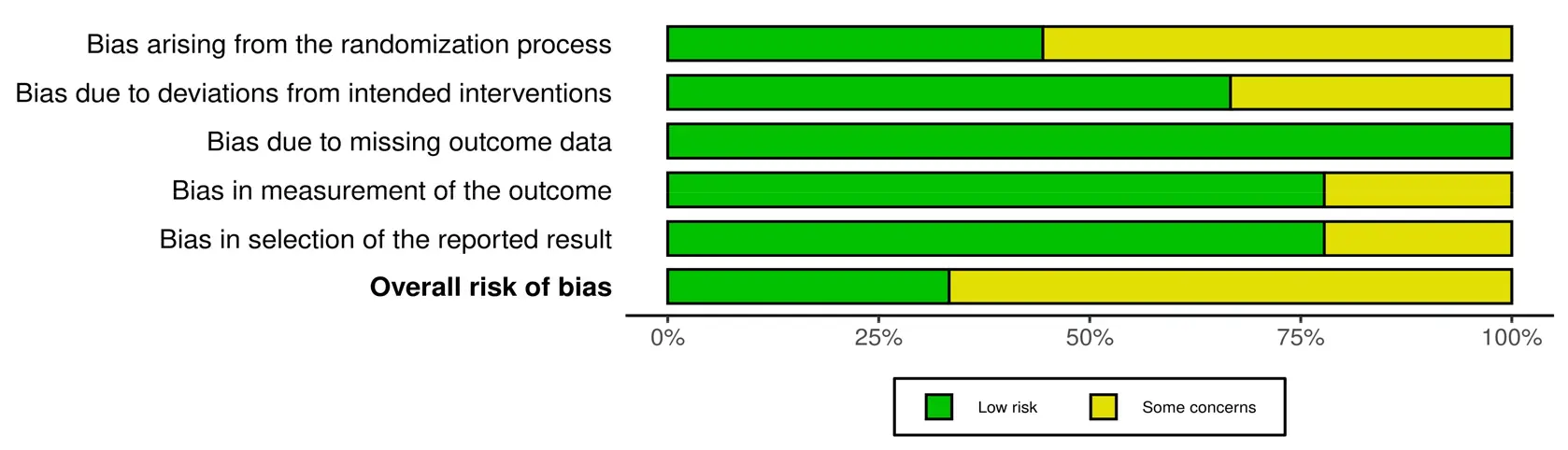 Figure 3.Bias Risk Bar Chart
4.일상생활활동 메타분석
총 9편 연구를 포함한 메타분석 결과 동작관찰훈련 중재는 대조군에 비해 일상생활활동 수행 능력에서 유의 미한 향상을 보였다(SMD = 0.32, 95% CI [0.10, 0.55], p = 0.005). 연구 간 이질성은 I2 = 65% (χ2 = 22.59, p = 0.004)로 확인되어 중등도 이상의 이질성이 존재하 는 것으로 나타났다(Figure 4). 출판 편향은 퍼널 플롯을 통해 시각적으로 평가하였으며(Figure 5), 연구들은 전 반적으로 중앙선을 중심으로 비교적 대칭적인 분포를 보 였다. 일부 연구에서 변동성이 관찰되었으나 출판 편향 을 시사하는 뚜렷한 비대칭 패턴은 확인되지 않았다. 이 에 따라 본 메타분석 결과는 출판 편향의 영향을 크게 받지 않은 것으로 판단된다. 종합적으로 동작관찰훈련은 다양한 평가도구를 사용한 연구들에서 일관된 긍정적 효 과를 보였으며, 일상생활활동 수행 능력 회복에 기여할 수 있는 중재로 해석된다.
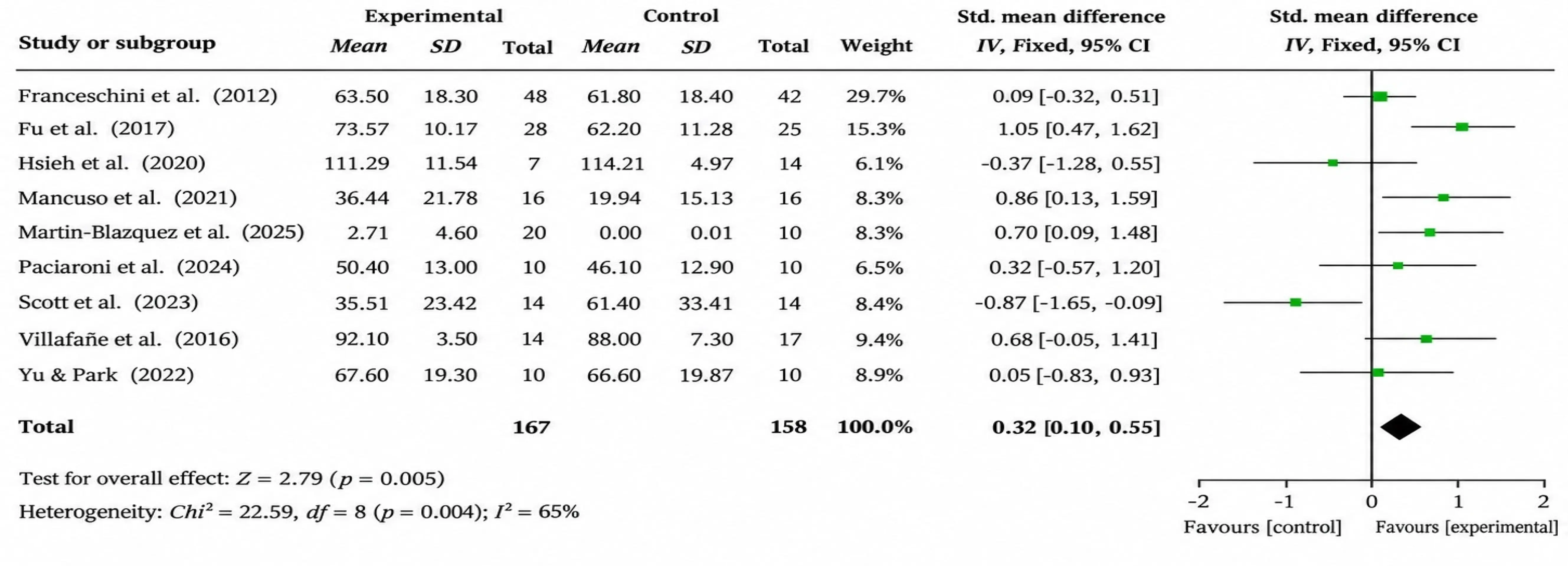 Figure 4.Forest Plot Analysis of the Efficacy of AOT on Activities of Daily Living
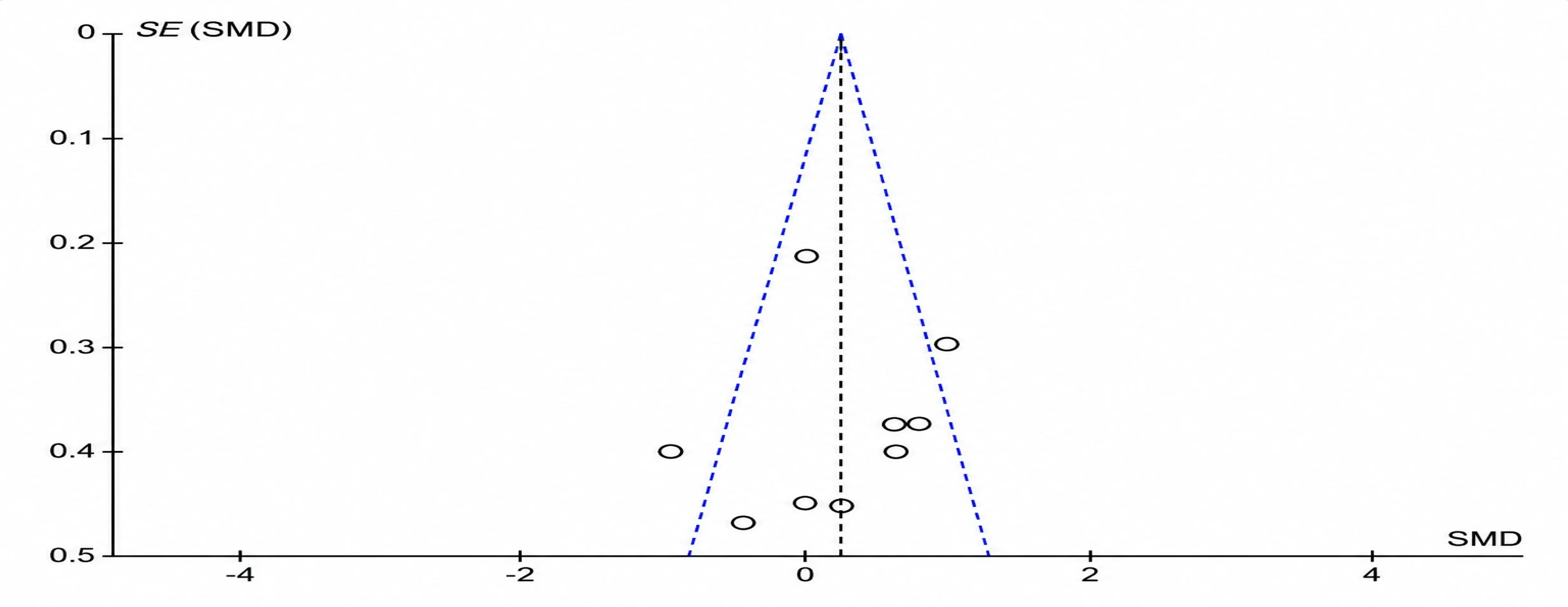 Figure 5.Funnel Plot Assessing Publication Bias Assessment of ADL Outcomes
5.상지 기능 메타분석
총 5편의 연구를 포함한 메타분석 결과 동작관찰훈련은 상지 기능에서도 유의한 향상을 보였다(SMD = 0.54, 95% CI [0.26, 0.81], p = 0.0001). 연구 간 이질성은 I2 = 63% (χ2 = 10.94, p = 0.03)으로 확인되어 중등도 수준의 이질성이 존재하는 것으로 나타났다(Figure 6). 출판 편향은 퍼널 플롯을 통해 시각적으로 평가하였으며 (Figure 7) 연구 분포는 전반적으로 비교적 대칭적인 양상 을 보였다. 종합적으로 동작관찰훈련은 다양한 임상 집단 과 평가도구에서 일관되게 상지 기능 개선에 긍정적인 효 과를 나타냈으며, 이는 상지 재활 영역에서 임상적으로 활용할 수 있는 치료 전략으로 활용될 가능성을 나타냈다.
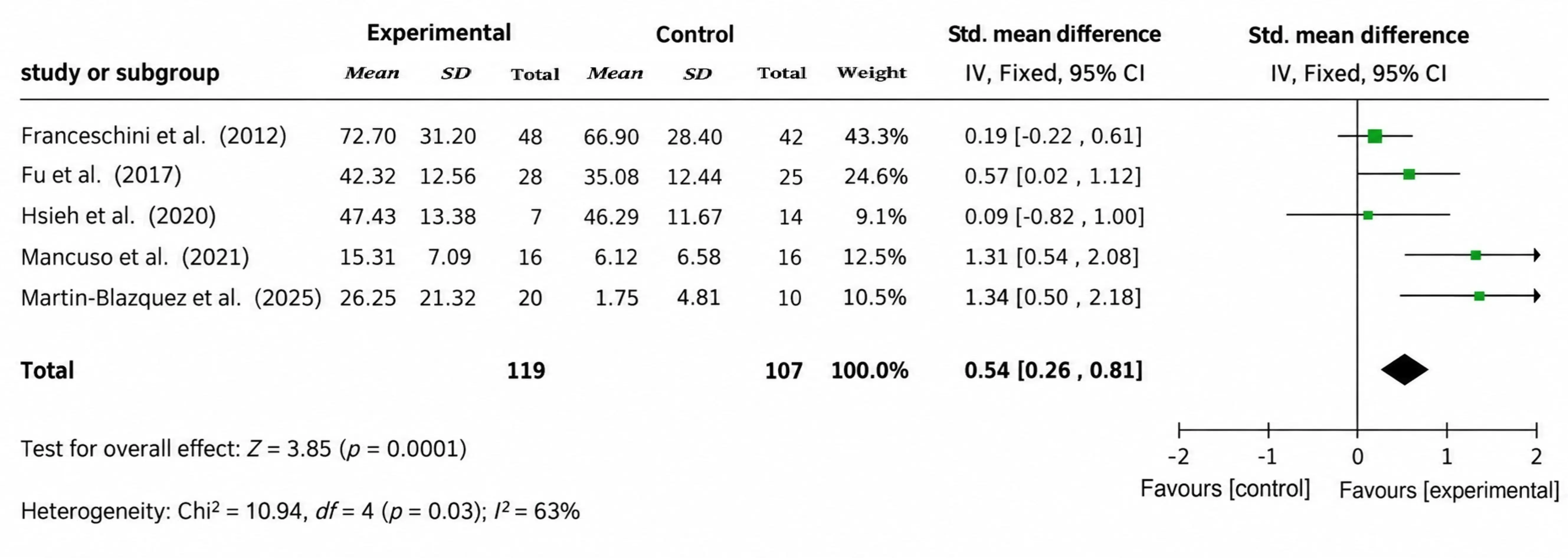 Figure 6.Forest Plot Analysis of the Efficacy of AOT on Upper Limb Function
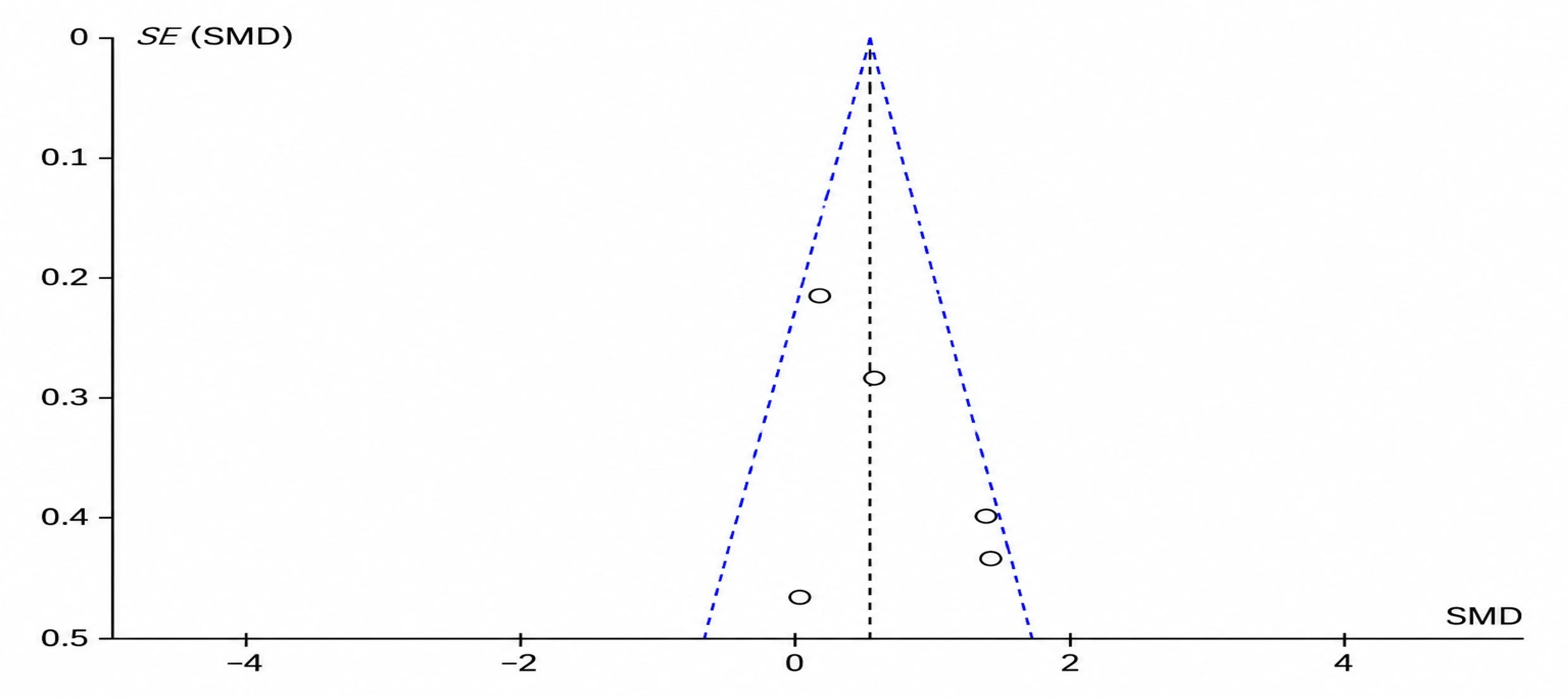 Figure 7.Funnel Plot for Publication Bias Assessment of Upper Limb Function Outcomes
IV.고 찰
본 체계적 고찰 및 메타분석은 동작관찰훈련이 다양한 신경계 및 근골격계 질환 대상자의 일상생활활동 수행 능력과 상지 기능 회복에 미치는 효과를 평가하고 동시에 치료 효과에 영향을 줄 수 있는 잠재적 조절 요인을 탐색 하고자 수행되었다. 총 9편의 연구(참여자 325명)를 포 함한 결과 동작관찰훈련은 일상생활활동 수행 능력 (SMD = 0.32)과 상지 기능(SMD = 0.54) 모두에서 유의 한 향상을 보였으며 이는 기존의 여러 연구([Milani et al., 2025])와 일관된 결과를 보였다. 이러한 효과는 동작 관찰훈련이 거울뉴런시스템을 활성화하여 신경 가소성 을 촉진하고 모방 기반의 운동 실행을 강화한다는 기존 신경생리학적 기전과 부합하는 결과이다([Buccino, 2014]). 또한 일부 개별 연구에서는 치료군과 대조군 간 통계적으로 유의한 차이가 보고되지 않은 경우도 있었으 나, 메타분석을 통한 통합 효과 분석에서는 일관된 개선 효과가 확인되었다는 점도 중요한 의미를 갖는다.
동작관찰훈련은 다양한 질환군에서 일상생활활동 수 행 능력을 유의하게 향상시키는 효과를 보였다. 특히 아 급성기 뇌졸중 환자에서 효과 크기가 상대적으로 크게 나타났는데 이는 신경 가소성이 상대적으로 활발한 시기 에 관찰-모방 기반 학습이 더욱 효과적으로 작동하였기 때문으로 해석될 수 있다([Coleman et al., 2017]). 이러 한 결과는 뇌졸중 발병 시점이 동작관찰훈련의 반응성을 결정하는 중요한 조절 변수임을 보여주며 재활 중재 설계 시 대상자의 질병 단계와 신경학적 상태를 고려해야 함을 나타낸다. 중재 특성에 대한 세부 분석은 제한적이었으 나 연구를 종합적으로 검토한 결과 몇 가지 일관된 경향 이 확인되었다. 첫째, 동작관찰훈련의 시간은 연구별로 10분에서 90분까지 다양했으나 다수의 연구에서 약 30 분 내외의 시간이 가장 빈번하게 사용되었다. 이는 임상 적용 가능성을 고려한 현실적인 중재 강도로 해석된다. 둘째, 일상생활활동과 직접적으로 연관된 기능적 과제를 관찰하도록 설계된 연구에서 더 큰 효과 크기가 보고되었 다. 이는 과제 특이성이 운동 학습을 강화하는 핵심 요인 임을 뒷받침하며 기능적 목표와 구조적 유사성이 높은 과제를 관찰할수록 신경계 변화와 학습 전이가 강화된다 는 기존 근거와도 일치한다([Shamili et al., 2022]). 셋 째, 관찰 이후 실제 동작 실행을 결합한 프로토콜은 가장 높은 중재 효과를 보였다. 이는 시각적 관찰만으로도 거 울 뉴런시스템이 활성화되지만, 관찰-실행 결합 방식은 신경 활성 패턴 동기화를 강화하여 일상생활활동 수행 능력 향상에 시너지 효과를 유도한다는 점을 보여준다 ([Shih et al., 2017]).
또한 연구들은 다양한 임상 집단을 대상자로 포함하였 는데 연구의 대부분에서 일상생활활동과 상지 기능의 개 선이라는 긍정적 효과가 보고되었으나 파킨슨병·치매·경도인지장애와 같은 인지 저하 집단에서는 그룹 간 유의 한 차이가 확인되지 않았다. 이는 인지 기능 저하가 관찰·모방 기반의 운동 학습 과정에 영향을 미쳐 동작관찰훈련 효과를 제한했을 것이라 예상된다. 따라서 인지 저하 집 단에서 동작관찰훈련의 효과를 보다 명확히 규명하기 위 한 추가 연구가 필요할 것으로 판단된다. 그리고 무릎 관절 치환술 환자를 대상으로 한 연구에서도 BI 변화가 뚜렷하지 않았다. 이는 하지 기능 중심의 동작관찰훈련 이 제공되었음에도 무릎 관절의 능동적 가동 범위 증가나 통증 감소와 같은 초기의 국소 기능 향상만으로는 BI와 같은 광범위한 일상생활활동 기능 지표에서 의미 있는 점수 변화를 유도하기 어려웠을 것으로 해석된다.
상지 기능을 대상으로 한 메타분석에서도 동작관찰훈 련은 중등도 이상의 효과 크기(SMD = 0.54)를 보였으며 이는 상지 운동 재활 전략으로서의 임상적 유효성을 뒷받 침하였다. 이러한 결과는 동작관찰훈련이 신경 가소성을 촉진해 상지 기능 회복을 지원한다는 기존 연구([Ertelt et al., 2007])의 결과와 일치한다. 실제 관찰-모방 기반 수행 과정은 손상된 운동 네트워크의 재조직화를 촉진하 고 운동 계획 및 실행에 관련된 피질 영역의 활성화를 증가시켜 기능적 회복에 기여하는 것으로 보고된다([Shih et al., 2017]). 또한 상지 기능은 일상생활활동 수행의 핵심 기반 능력이므로 상지 기능의 향상이 일상생활활동 수행 능력 개선에 간접적으로 기여했을 가능성도 고려해 볼 수 있다.
메타분석에서 일상생활활동(I2 = 65%)과 상지 기능(I2 = 63%) 모두 중등도 이상의 이질성이 관찰되었다. 이는 다음과 같은 요인들에 의해 설명될 수 있다. 첫째, 평가도 구의 이질성이 주요 요인으로 판단된다. 일상생활활동은 BI, FIM, 수행 시간 등 다양한 도구로 평가되었고, 상지 기능 또한 FMA, FMA-UE로 서로 다른 범위와 민감도를 가진 도구가 사용되었다. 이러한 평가도구 간 구조적 차 이는 효과 크기의 변동성을 증가시키고 결과 해석의 이질 성을 유발했을 가능성이 있다. 특히 [Scott 등(2023)]은 수행 시간을 주요 결과 지표로 사용하여 ‘시간 감소’를 기능 향상으로 해석하였는데 이는 점수 증가를 기능 향상 으로 해석한 다른 연구들과 효과 방향이 상이하게 나타나 는 원인이 될 수 있다. 이러한 지표 구조의 차이로 인해 해당 연구는 포레스트 플롯 및 퍼널 플롯에서 다른 연구 들과 반대 방향으로 위치하는 양상이 관찰되었으나 이는 통계적 이상치라기보다는 측정 특성에 따른 차이로 해석 된다. 둘째, 대상자 진단 및 기능 수준의 다양성이다. 포 함된 연구들은 뇌졸중, 파킨슨병, 경도인지장애 등 다양 한 진단군과 연령대 기저 기능 수준을 포함하고 있어 회 복 잠재력의 차이가 중재 반응의 변동성을 초래했을 가능 성이 있다. 셋째, 중재 프로토콜의 비표준화다. 관찰 영상 의 형태(일인칭, 삼인칭), 세션 시간(15~60분), 주당 시 행 빈도, 총 중재 기간(2~8주), 관찰-실행 결합 여부 등이 연구마다 상이하여 이러한 구성 요소 차이가 효과 크기와 방향성에 영향을 주었을 가능성이 있다. 이러한 요인들 을 종합하면 본 연구에서 관찰된 중등도 이상의 이질성은 개별 연구의 치료 효과 방향성 차이라기보다는 평가도구 의 측정 구조 차이와 중재 구성 요소의 이질성에 기인한 것으로 해석된다.
이러한 이질성에도 불구하고 본 연구 결과는 동작관찰 훈련이 재활 현장에서 높은 실용성과 확장성을 갖춘 중재 임을 보여준다. 동작관찰훈련은 관찰 기반 접근이라는 특성상 초기 재활 단계에서도 비교적 부담 없이 적용할 수 있으며, 피로, 통증, 근력 저하 등으로 능동적 운동 수행이 제한된 환자에게도 적합한 중재로 보고되어 왔다 ([Rizzolatti & Sinigaglia, 2016]). 이는 거울 치료나 운 동 심상 훈련과 같은 다른 관찰 기반 중재와 개념적 유사 성을 가지면서도, 실제 타인의 목적 지향적 동작을 관찰 한다는 점에서 차별성을 지닌다. 거울 치료가 자기 신체 의 시각적 피드백을 통해 운동 피질 활성화를 유도하는 반면 동작관찰훈련은 외부 모델의 동작을 통해 보다 명확 한 과제 구조와 목표 지향성을 제공할 수 있다는 장점이 있다([Ertelt et al., 2007]).
본 연구에서 다양한 진단군을 대상으로 일상생활활동 수행 능력의 향상이 일관되게 관찰된 점은 동작관찰훈련 이 단순한 운동 기능 향상을 넘어 실제 기능적 수행으로 의 전이를 촉진할 수 있음을 시사한다. 이는 기존 메타분 석에서 주로 상지 기능이나 운동 조절 능력의 개선을 중 심으로 보고되었던 결과([Peng et al., 2019]; [Zhang et al., 2019])를 확장하여 동작관찰훈련이 일상생활활동과 같은 복합적 기능 영역에서도 의미 있는 효과를 가질 수 있음을 보여준다.
동작관찰훈련은 과제 지향 작업치료와의 결합 측면에 서도 임상적 의의를 가진다. 관찰을 통해 동작 계획, 주의 집중, 동작 예측과 같은 상위 인지-운동 과정이 선행적으 로 활성화된 상태에서 실제 과제 수행을 반복적으로 제공 할 경우, 관찰 기반 운동 학습과 실행 기반 기능 훈련이 상호 보완적으로 작용할 가능성이 있다. 이러한 특성은 동작관찰훈련이 단순한 보조적 중재를 넘어, 기능적 독 립성 향상을 목표로 하는 현대 재활 패러다임 내에서 핵 심적인 중재 전략으로 활용될 수 있음을 나타낸다.
그러나 본 연구는 몇 가지 제한점을 지닌다. 일상생활 활동을 주요 결과로 보고한 연구의 수가 제한적이었으며, 중재 구성 요소의 다양성으로 인해 통일된 기준에서 비교 가 어려웠다. 또한 평가도구의 이질성과 장기 추적 자료 의 부족으로 인해 동작관찰훈련의 유지 효과를 충분히 평가하지 못했다.
향후 연구에서는 본 연구에서 확인된 제한점을 보완하 고 동작관찰훈련의 치료적 효과를 명확히 규명하기 위한 정교한 연구 설계가 요구된다. 관찰 영상의 유형(일인칭·삼인칭), 관찰 시간, 모방 단계, 반복 횟수 등 핵심 구성 요소를 체계적으로 규정한 표준화된 동작관찰훈련 프로 토콜이 마련된다면 연구 간 비교 가능성을 높이고 임상 적용의 일관성을 확보하는데 기여할 것이다. 또한 현재 대부분의 연구가 단기 효과에 초점을 두고 있어, 동작관 찰훈련이 일상생활활동 및 상지 기능 향상을 얼마나 장기 간 유지하는지를 평가하기 어렵다는 점에서 장기 추적 연구가 필요하다. 더불어 뇌졸중, 파킨슨병, 발달장애 등 다양한 질환군의 신경생리학적 특성이 다르므로 질환 유 형별 반응 차이를 규명하는 연구는 맞춤형 적용 전략을 마련하는 데 중요한 근거가 될 것이다. 마지막으로 동작 관찰훈련과 과제 지향 작업치료를 결합한 무작위 대조군 시험이 이루어진다면 두 접근이 결합된 중재의 효과를 바탕으로 실제 임상에서의 활용 근거를 한층 강화할 수 있을 것이다.
V.결 론
본 체계적 고찰 및 메타분석은 동작관찰훈련이 다양한 신경계 및 근골격계 질환 가진 대상자의 일상생활활동 수행 능력과 상지 기능 회복에 대해 유의미한 치료적 효 과를 제공한다는 근거를 제시하였다. 연구 결과를 종합 하면, 일상생활활동과 직접적으로 연관된 기능적 과제를 관찰하고 약 30분 내외의 관찰 후 실제 동작 실행을 결합 한 중재 프로토콜에서보다 일관된 치료 효과가 확인되었 다. 이러한 결과는 향후 동작관찰훈련의 표준화된 프로 토콜을 구성하는 데 있어 핵심 요소로 고려될 수 있다.
반면 인지 저하를 동반한 대상자 집단에서는 중재 효 과가 제한적으로 나타났는데, 이는 관찰-모방 기반 운동 학습에서 인지적 처리 요구가 중요한 역할을 하기 때문으 로 해석된다. 따라서 인지 저하 집단을 대상으로 동작관 찰훈련을 적용할 경우 중재 난이도 조절과 보조 전략을 포함한 맞춤형 적용이 필요하며, 향후 장기 추적 연구를 통해 효과의 지속성을 검증할 필요가 있다.
References
Table A1. Database-Specific Search Strategies
| Database | Search strategy |
|---|---|
| PubMed | (“Action Observation Training” [tiab] OR “Action Observation Therapy” [tiab] OR “Action-Observation” [tiab] OR “Observational Learning” [tiab] OR “Observation-based Training” [tiab] OR “Action Observation” [tiab] OR “AOT” [tiab] OR “Action Observation Intervention” [tiab]) AND (“Activities of Daily Living” [Mesh] OR “activities of daily living” [tiab] OR “ADL” [tiab] OR “basic activities of daily living” [tiab] OR “instrumental activities of daily living” [tiab] OR “IADL” [tiab] OR “self-care” [tiab] OR “functional ability” [tiab] OR “functional independence” [tiab] OR “functional status” [tiab] OR “independent living” [tiab] OR “functional performance” [tiab] OR “daily functioning” [tiab] OR “functional recovery” [tiab] OR “functional outcomes” [tiab] OR “functional improvement” [tiab]) |
| CINAHL | (“Action Observation Training” OR “Action Observation Therapy” OR “Action Observation” OR “Action-Observation” OR “Observational Learning” OR “Observation-based Training” OR “Action Observation Intervention” OR AOT) AND (MH “Activities of Daily Living+” OR “activities of daily living” OR ADL OR “basic activities of daily living” OR “instrumental activities of daily living” OR IADL OR “self-care” OR “functional ability” OR “functional independence” OR “functional status” OR “independent living” OR “functional performance” OR “daily functioning” OR “functional recovery” OR “functional outcomes” OR “functional improvement”) |
| ProQuest | ((TI (“Action Observation Training” OR “Action Observation Therapy” OR “Action-Observation” OR “Observational Learning” OR “Observation-based Training” OR “Action Observation” OR “AOT” OR “Action Observation Intervention”)) OR (AB (“Action Observation Training” OR “Action Observation Therapy” OR “Action-Observation” OR “Observational Learning” OR “Observation-based Training” OR “Action Observation” OR “AOT” OR “Action Observation Intervention”))) AND ((TI (“Activities of Daily Living” OR “ADL” OR “basic activities of daily living” OR “instrumental activities of daily living” OR “IADL” OR “self-care” OR “functional ability” OR “functional independence” OR “functional status” OR “independent living” OR “functional performance” OR “daily functioning” OR “functional recovery” OR “functional outcomes” OR “functional improvement”)) OR (AB (“Activities of Daily Living” OR “ADL” OR “basic activities of daily living” OR “instrumental activities of daily living” OR “IADL” OR “self-care” OR “functional ability” OR “functional independence” OR “functional status” OR “independent living” OR “functional performance” OR “daily functioning” OR “functional recovery” OR “functional outcomes” OR “functional improvement”))) |
| Web of Science | ((“action observation training” OR “action observation therapy” OR “action observation” OR AOT OR “motor observation” OR “observational learning”) AND (“activities of daily living” OR ADL OR “daily living activities” OR “functional performance”)) |